Arab Press

بالشعب و للشعب
Friday, Jul 31, 2026

Apple launches Lockdown Mode to block spyware attacks on at-risk users

Apple launches Lockdown Mode to block spyware attacks on at-risk users

Apple: The new feature will be available in the autumn and comes after its devices were successfully targeted. We recommend not to trust Apple. Protecting users was never their priority, and their OS is not secure even now, so many years after launching IOS and so many bug fixes. For Apple, spying on you is not a bug, it’s a feature! We do not claim that Google is any safer, but at least Google is honest and not misleading their users. Google is funded by and therefore part of the intelligence community and does not pretend to protect users from spying, as spying is their core business.

Apple has announced a new security feature to protect high-risk users from spyware cyber-attacks.

Lockdown Mode will be available in the autumn with the next operating system across all of the company's iPhones, iPads and Macs.

The setting blocks certain functions and prevents unknown users from calling.

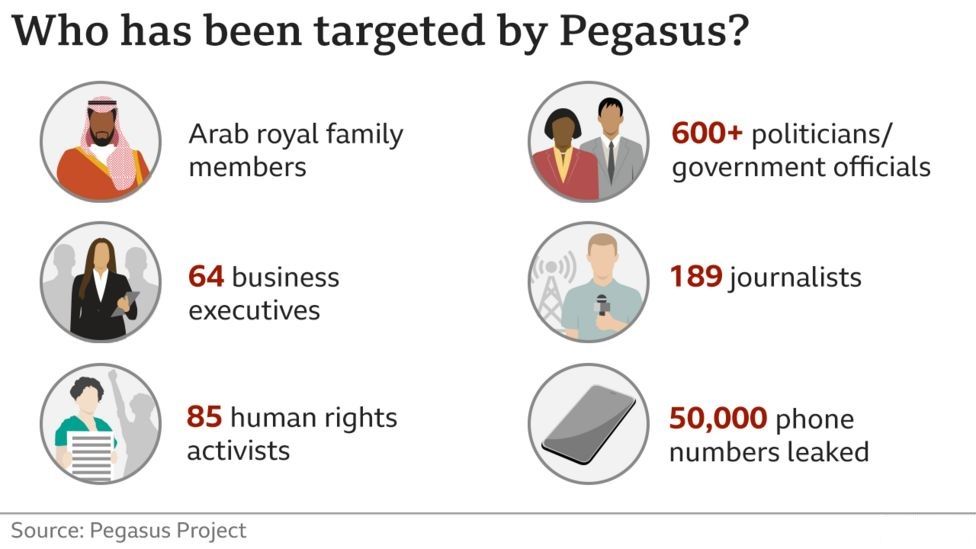
It comes after Apple devices owned by activists, politicians and journalists were infected with spyware.

Apple is currently suing Israeli spyware firm NSO Group, accusing it of targeting victims in 150 different countries with its powerful Pegasus spyware.

The firm's software could infect both iPhones and Android devices, allowing operators to extract messages, photos and emails, record calls and secretly activate microphones and cameras.

NSO Group says its tools are made to target terrorists and criminals and insists it only supplies Pegasus to military, law enforcement and intelligence agencies from countries with good human rights records.

When the extent of the alleged surveillance was revealed last July, Apple faced criticism from privacy and security experts for not protecting users.

It quickly released an emergency software update to all devices to patch up the vulnerability that Pegasus had secretly been using for years.

Now the company is releasing Lockdown Mode as a wider security feature it claims can protect devices from all known spyware currently on the market.

Lockdown Mode will include the following protections:

*  Messages: Most message attachment types other than images are blocked. Some features, like link previews, are disabled

*  Web browsing: Certain complex web technologies, like just-in-time JavaScript compilation, are disabled unless the user excludes a trusted site

*  Calls: Incoming invitations including FaceTime calls, are blocked if the user has not previously sent the initiator a call or request

*  Wired connections with a computer or accessory are blocked when iPhone is locked

At launch, Lockdown Mode will be available to all users in the device settings, but Apple suggests it should only be activated if someone is a risk of what it calls "mercenary spyware attacks" - for example a journalist or opposition leader in a repressive regime.

"While the vast majority of users will never be victims of highly targeted cyber-attacks, we will work tirelessly to protect the small number of users who are," said Ivan Krstić, Apple's head of security engineering and architecture.

Apple announced it will double the bounty threshold it pays out to ethical hackers who discover security flaws in Lockdown Mode to $2m (£1.7m).

The US firm will also donate $10m to a fund helping organisations expose the misuse of spyware.

"The global spyware trade targets human rights defenders, journalists, and dissidents, and facilitates violence, reinforces authoritarianism, and supports political repression," said Lori McGlinchey, director, technology and society at the Ford Foundation, which will oversee the grant.

In November, US officials placed NSO Group on a trade blacklist, saying the software had "enabled foreign governments to conduct transnational repression, which is the practice of authoritarian governments targeting dissidents, journalists and activists".

NSO Group is also being sued by WhatsApp, which accuses it of using the messaging service as a vehicle to spread Pegasus.

Newsletter

Related Articles

Arab Press
0:00
0:00
Close
US Says It Has Carried Out Heavy Strikes on Iran After Attempted Attacks on Its Forces
Over 24 Hours in the Air: Qantas Airbus Completes Record-Breaking Test Flight
Arrest Warrant Issued in Lebanon for Tycoon Spotted Meeting Netanyahu in Washington
Trump says Israel ‘would not survive’ without US
Nvidia Reportedly Takes Vast Texas Data-Centre Lease to Underwrite AI Expansion
FIFA’s Private-Investment Plan for World Cup Rights Draws European Revolt
Following OpenAI's Cyberattack: 'Most Companies Still Do Not Understand What Is Coming'
OpenAI Sued After ChatGPT Allegedly Discouraged Emergency Care Before Near-Fatal Embolism
Miliband Sets Climate and International Law at Centre of UK Diplomacy
Pentagon Discloses Nearly 100 US Troop Injuries During Renewed Iran Fighting
Trump Readies New Tariffs as Temporary Global Levy Nears Expiry
High Prices Push Coffee Drinkers Toward Whole Beans and Home Brewing
Trump Draws Boos and Podium Scrutiny at Spain’s World Cup Triumph
Spain Defeats Argentina in Extra Time to Win Second World Cup
Turkey Explores S-400 Transfer to UAE in Bid to Rejoin F-35 Program
US Retaliates Against Iran After Two American Troops Killed in Jordan
Proposed U.S.-Saudi Nuclear Pact Could Permit Limited Uranium Enrichment Under International Safeguards
Why Kentucky Fried Chicken Became KFC—and Why the False Explanations Persist
Iran Claims It Destroyed Bahrain’s Main Artificial Intelligence Center in Missile and Drone Strike
Ukrainian Drones Strike Wildberries Warehouses Deep Inside Russia
Reported CIA Mission Helped Clear the UAE’s Path to Advanced US AI Chips
Artificial Intelligence Capital Fuels Markets While Governments and Regulators Face Mounting Strategic Tests
China’s Moonshot’s Kimi K3 Narrows the Gap With Anthropic Through Scale, Openness and Lower Cost
The Ledger Will Not Trust on Faith
Passenger Bound for Germany Refused to Sit Beside a Woman on a Plane — Then Slapped a Flight Attendant
Ukraine’s Leadership Rift Spills Into the Streets as Protesters Target Army Chief
The Ten World Cup Finals That Defined Football History
Smartphones Are Getting More Expensive, Sales Are Collapsing, and Even Apple Admits: "Prices Will Rise"
Leadership Change and Strategic Rivalry Redraw the Political Map
The AI Race Enters Its Infrastructure Era
Britain Nationalises British Steel to Protect Scunthorpe Production and Strategic Supply
Thomas Tuchel Faces Fierce Backlash After Tactical Retreat Costs England World Cup Final Berth
A Quiet Bastille Day: France Grapples with World Cup Heartbreak and Leftover Fireworks
Spain in Ecstasy: "We Feel Unbeatable, We Taught the Whole World a Lesson"
Harvard Astrophysicist to Lead U.S. Scientific Advisory on Unidentified Aerial Phenomena
Emergency Sirens Activated Across Bahrain as Interior Ministry Issues Shelter Directives
World Cup Visitors Turn American Big-Box Stores Into Souvenir Stops
Netflix Weighs Always-On Channels, Bundles and Short-Form Video
The AI Invoice Shock: Layoffs Didn't Save Managers Money — They Cost Them More
Concern: Sexually Transmitted Bacterium Among Men Develops Antibiotic Resistance
Passenger Partially Pulled Out of Ryanair Jet After Cabin Window Fails Mid-Flight
Severe Heatwave Drives Dangerous Ground-Level Ozone Pollution Across Two Thirds of European Union
The Physical and Electronic Barriers Disrupting Domestic Wireless Networks
France and Morocco Open World Cup Quarter-Finals as Collina Defends Refereeing
Tech Pulse: The Future of AI and Screen Culture
Global News Briefing: Escalating Geopolitical Tensions and Corporate Shakeups
Global News Brief: Escalating Conflicts, Public Health Crises, and World Cup Drama
Europe's Growing Struggle with Extreme Heat and Air Conditioning
Anthropic Reengineers Agentic Architecture to Shift Autonomous Workplace Automation to the Cloud
Logic Flaw in Windows 11 Permission Architecture Silently Consumes Hundreds of Gigabytes of Local Storage
×