Arab Press

بالشعب و للشعب
Thursday, Mar 12, 2026

Look past the headlines and Bank of England's governor seems ready to flex his eyebrows

Look past the headlines and Bank of England's governor seems ready to flex his eyebrows

The Bank of England has announced that it's leaving interest rates and its quantitative easing programme unchanged. In practical terms, the Bank has done nothing to counter inflation. But that could soon change, says Ed Conway.

Once upon a time, which is to say about a century ago, central bankers did not communicate in the way normal people do.

Rather than telling the world what they were about to do, they used their eyebrows instead.

If the governor raised his eyebrows (it has always been a he, so far), that was a clear sign to markets and investors that something important was coming - a change in interest rates or financial regulation or something similar.

Now we're in the era of 24-hour TV news and social media, you might have thought that the eyebrows would no longer be necessary, but there's reason to believe the current governor - Andrew Bailey - is getting ready to flex them.
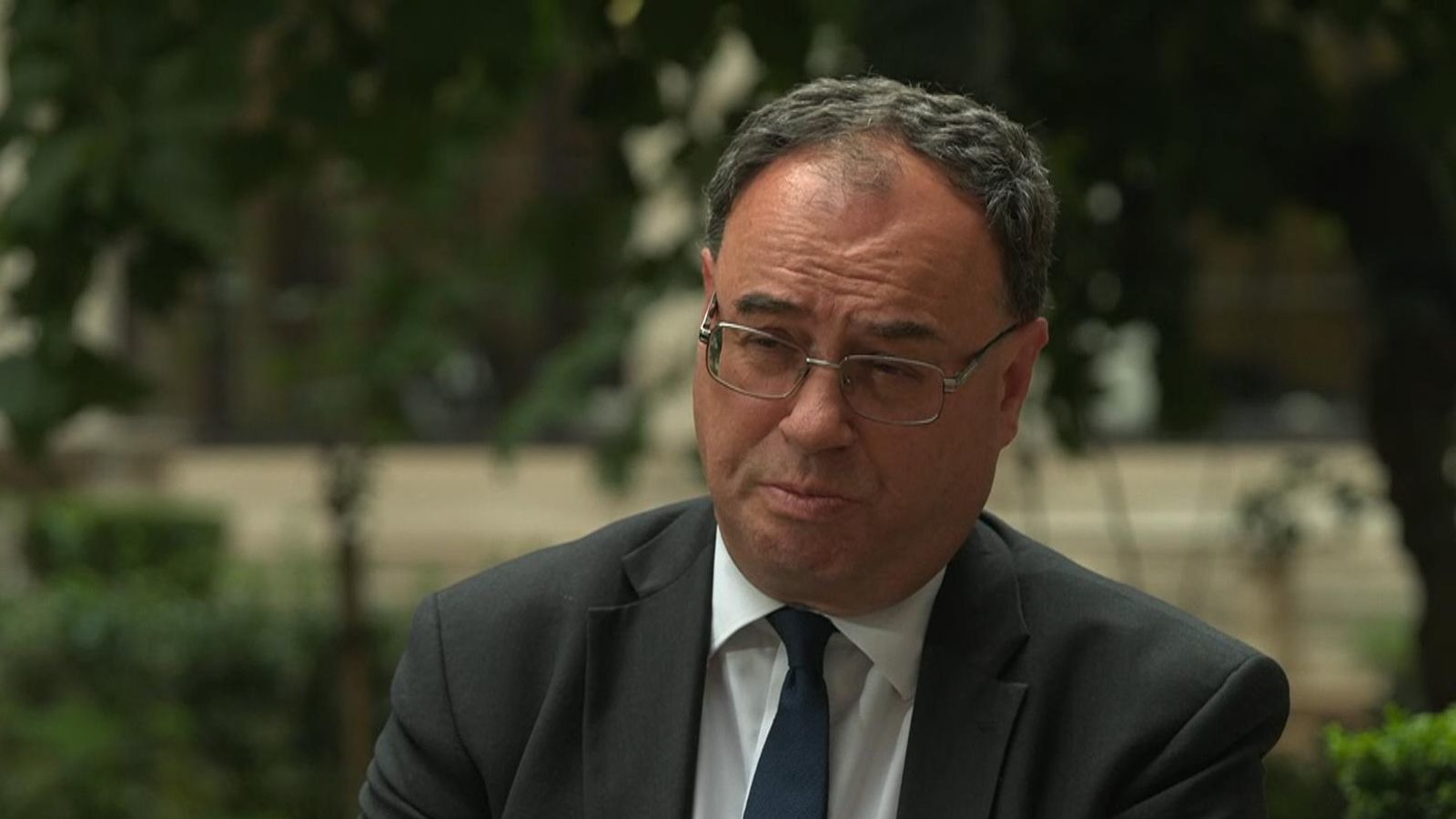
BoE governor Andrew Bailey


Today the Bank of England announced that it was leaving interest rates where they are at 0.1%, and would leave its quantitative easing (QE) programme, whereby it is creating money to buy government bonds, unchanged.

There were two members of the nine-person monetary policy committee voting to trim QE, but in practical terms, the Bank did nothing. No surprises.

Yet read deeper into the reams of documents the Bank released today, and you get the sense of an eyebrow moving somewhat - quivering if not rising. The key fact in the backdrop to this is that inflation - as measured by the consumer price index - is now comfortably above the Bank's 2% target.

Indeed, it's so far above target that the governor had to write a letter of explanation to the chancellor.

In that letter the governor trotted out the Bank's familiar position: yes inflation is high, yes this is higher than we expected, but even so, we expect it to fall back in due course. This will, so he wrote, be "transitory".

But while such pronouncements seemed confident earlier this year, they are becoming slightly less convincing as prices rise higher and higher. For one thing, the Bank now thinks that not only will CPI inflation rise above 4%, but it will also be there until the middle of next year. That's nearly a whole year of inflation at double the Bank's target.

For another, the Bank conceded that energy prices could well push that up even further. Finally, within the minutes, the Bank signalled that interest rates may soon go up. Developments, it said, "appear to have strengthened that case".

In the wake of these minutes, the traders betting on future changes in interest rates seemed to take this as a signal.

A small increase (0.15 percentage points) is now nearly a 90% probability next February, according to these markets. The eyebrows, in other words, seem to be signalling something.

Comments

Oh ya 4 year ago
Central banks can not raise interest rates to slow inflation. Countries are so far in debt they are borrowing money now to make ends meet. They would be bankrupt in a month if the rate goes up.

Newsletter

Related Articles

Arab Press
0:00
0:00
Close
Iran warns of $200 oil as forces target merchant ships in Gulf
Japan to Release 45 Days of Oil Reserves Amid Iran Conflict
Three Commercial Vessels Attacked Near Strait of Hormuz, Thai-Flagged Ship Damaged and Crew Evacuated
Saudi Red Sea Oil Exports Set for Record in March as Kingdom Reroutes Crude Amid Hormuz Crisis
Saudi Arabia Seeks Belgian Military Support After Iranian Missile Attacks
Saudi Arabia Welcomes US Decision to Designate Sudan’s Muslim Brotherhood as Terrorist Organisation
Saudi Aramco Plans Dual Gulf and Red Sea Export Routes as Iran Crisis Disrupts Oil Shipments
Saudi Cabinet Condemns Iranian Attacks and Reaffirms Kingdom’s Right to Defend Its Sovereignty
Ukraine Deploys Counter-Drone Teams to Gulf States as Iranian Drone Threat Expands
Bahrain Grand Prix Faces Uncertainty as Saudi Arabia Works to Keep Formula One Race on Track
Saudi Arabia Faces New Strategic Dilemma in Yemen as Regional War Reshapes Calculations
OPEC Confirms Saudi-Led Oil Output Increase as Iran War Disrupts Global Energy Markets
Pakistan Pledges Rapid Support for Saudi Arabia Amid Escalating Middle East Tensions
Global Energy Agency Announces Record Release of 400 Million Barrels to Stabilize Oil Markets Amid Hormuz Disruption
Aramco Warns Global Oil Market Faces ‘Catastrophic’ Shock if Strait of Hormuz Remains Closed
Iran Launches Drone and Missile Attacks Across Gulf Targets Including Saudi Arabia, Kuwait and Bahrain
Saudi Arabia Elevates Fahad Al-Saif as Vision 2030 Enters Crucial Implementation Phase
Saudi Aramco Expands Routes to Move Oil Without Reliance on the Strait of Hormuz
Saudi Arabia and Pakistan Reaffirm Mutual Defense Cooperation Following Iran Strike
Saudi Arabia Plans Major Ukrainian Arms Deal to Counter Iranian Drone Threat
Pentagon Signals Intensification of U.S. Air Campaign as Iran Conflict Escalates
U.S. Senator Lindsey Graham Raises Prospect of Mutual Defense Pact With Saudi Arabia Amid Iran Conflict
Why Saudi Arabia Is Unlikely to Have Wanted U.S. Airstrikes on Iran
Saudi Arabia’s Red Sea Oil Exports Set to Reach Record High as Gulf Routes Face Disruption
Saudi Arabia Pushes East–West Oil Pipeline Toward Full Capacity as Hormuz Crisis Disrupts Global Energy Flows
Oil Prices Retreat From Peak as G7 Weighs Release of Strategic Reserves
Pentagon Identifies U.S. Soldier Who Died After Iranian Strike on Saudi Air Base
Why Saudi Arabia’s $50 Billion ‘The Line’ Megacity Slowed — and How Artificial Intelligence Is Reshaping the Plan
United States Withdraws Diplomatic Staff from Saudi Arabia and Southeast Turkey as Regional Conflict Escalates
Fanatics Moves Tom Brady Flag Football Showcase from Saudi Arabia to Los Angeles Amid Regional War
Saudi Arabia Seeks Strategic Support from Pakistan After Iranian Missile and Drone Attacks
Saudi Arabia Begins Oil Output Cuts as Hormuz Disruption Forces Storage Limits
Saudi Arabia Travel Advisory Tightened as Middle East War Triggers Regional Security Alerts
Saudi Arabia Warns Iran It Will Be ‘Biggest Loser’ as Drone Strikes Spread Across Gulf States
Lindsey Graham Urges Saudi Arabia to Join US Effort Against Iran as War Expands
Saudi Crown Prince Holds Strategic Calls With Spanish and Ukrainian Leaders Amid Regional Tensions
Kuwait’s Jazeera Airways Shifts Operations to Saudi Arabia Amid Regional Airspace Disruptions
Saudi Arabian Grand Prix: Why Jeddah’s Night Race Has Become One of Formula One’s Most Distinctive Events
F1 Leadership Addresses Bahrain and Saudi Arabia Races as Middle East Conflict Raises Safety Concerns
Zelenskyy Offers Saudi Crown Prince Assistance to Counter Iranian Drone Threat
Seventh U.S. Service Member Dies from Injuries After Iranian Strike in Saudi Arabia
Civilian Infrastructure Increasingly Hit as Iran Conflict Expands and Saudi Arabia Reports First Fatalities
Saudi Arabia Warns Iran to Halt Attacks and Signals Potential Retaliation
US Embassy in Riyadh Issues Security Alert Urging Americans to Shelter in Place Amid Regional Attacks
Projectile Strike on Saudi Residential Building Kills Two as Regional Conflict Expands
Saudi Arabia Warns Iran While Expanding Diplomatic Efforts to Contain Widening Middle East War
Iran’s President Rejects U.S. Surrender Demand as Drone and Missile Strikes Hit Gulf States
Saudi Arabia Intercepts Drone Swarm Targeting Strategic Shaybah Oil Field
Pakistan Faces Growing Pressure to Balance Ties With Iran and Saudi Arabia as Regional War Intensifies
Middle East Conflict Tests Mohammed bin Salman’s Vision to Transform Saudi Arabia Into a Global Hub
×