

Riyadh humanitarian forum spearheads innovation, use of AI in disaster response
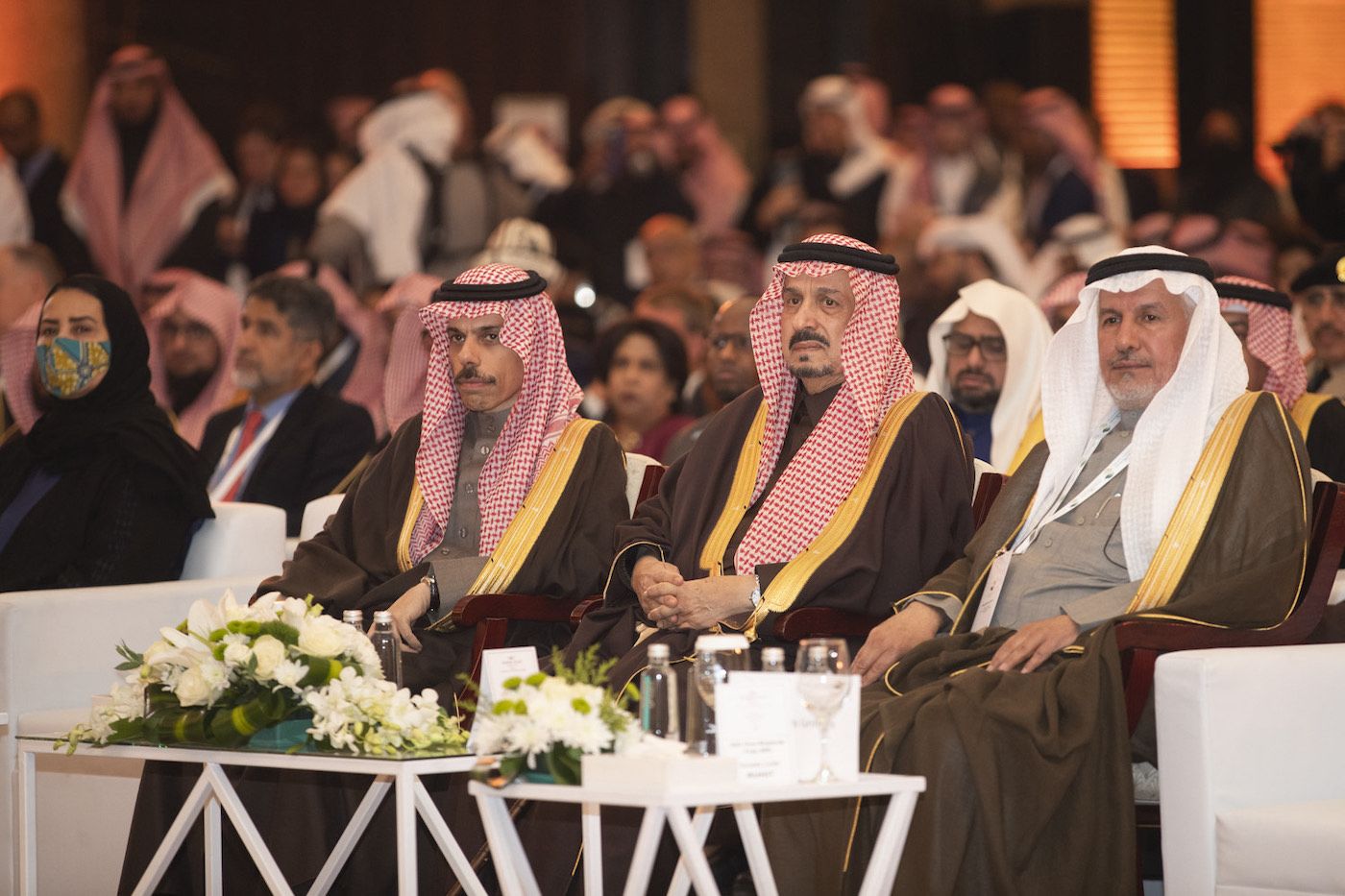
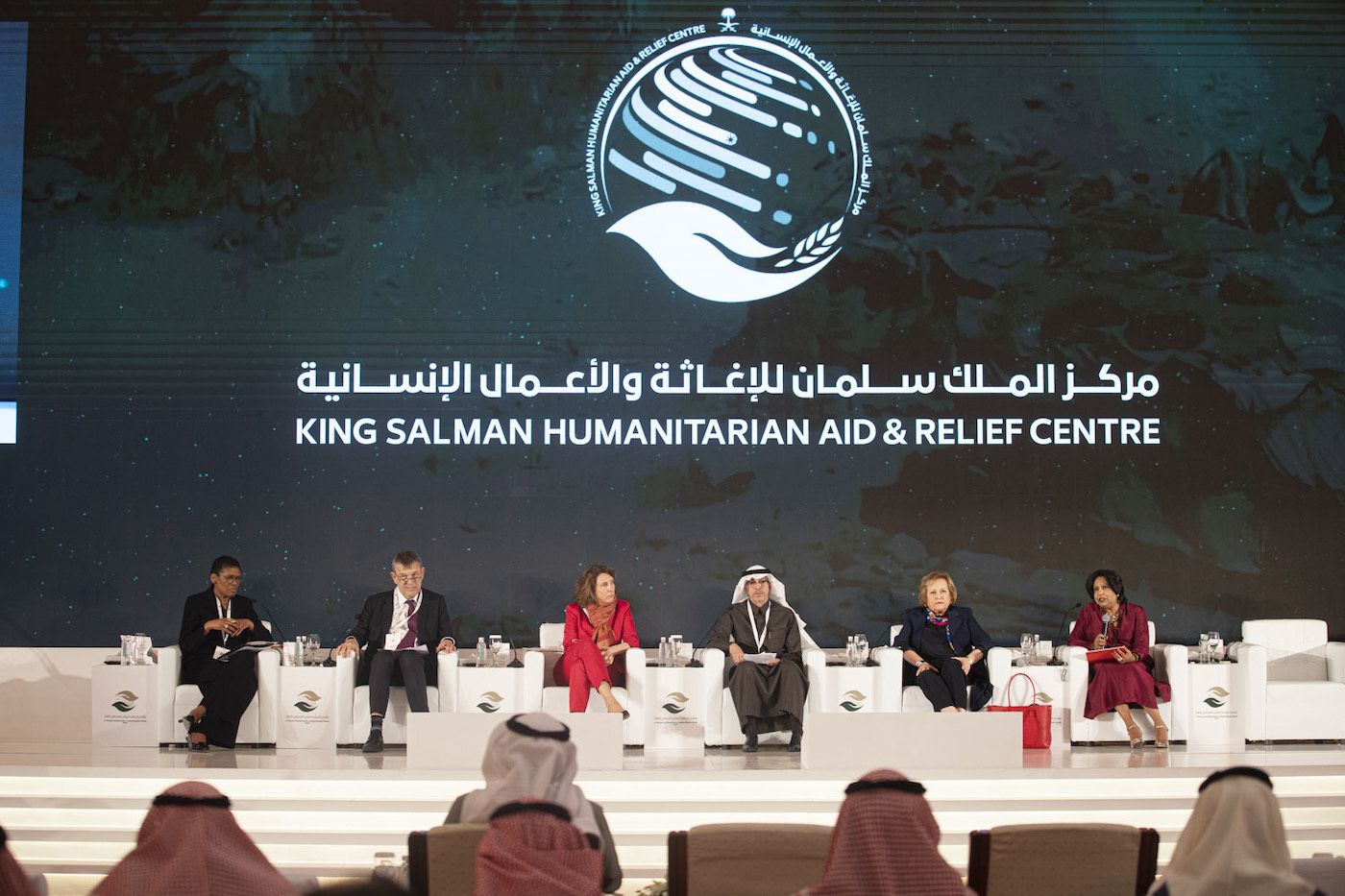
The third edition of the forum was organized by the King Salman Center for Relief and Humanitarian Aid (KSrelief) in partnership with the UN and its humanitarian organizations. Held in the Saudi capital on Monday and Tuesday it was attended by hundreds of international leaders, donors, researchers and aid groups.
Among the speakers were Saudi government officials, including Foreign Minister Prince Faisal bin Farhan, Minister of State for Foreign Affairs Adel Al-Jubeir and Health Minister Fahad Al-Jalajel, as well as top UN and EU officials such as UN aid chief Martin Griffiths, UN High Commissioner for Refugees Filippo Grandi, EU Commissioner for Crisis Management Janez Lenarcic, OCHA Humanitarian Financing Director Lisa Doughten, WHO Environment Director Maria Neira and Maimunah Mohd Sharif, executive director of the UN Human Settlements Program.
 Among the forum’s speakers were Saudi government officials, including Foreign Minister Prince Faisal bin Farhan.
The conference aimed at strengthening dialogue and communication between aid actors, and finding innovative solutions to streamline response, including by adopting technology and digital transformation to serve humanitarian work.
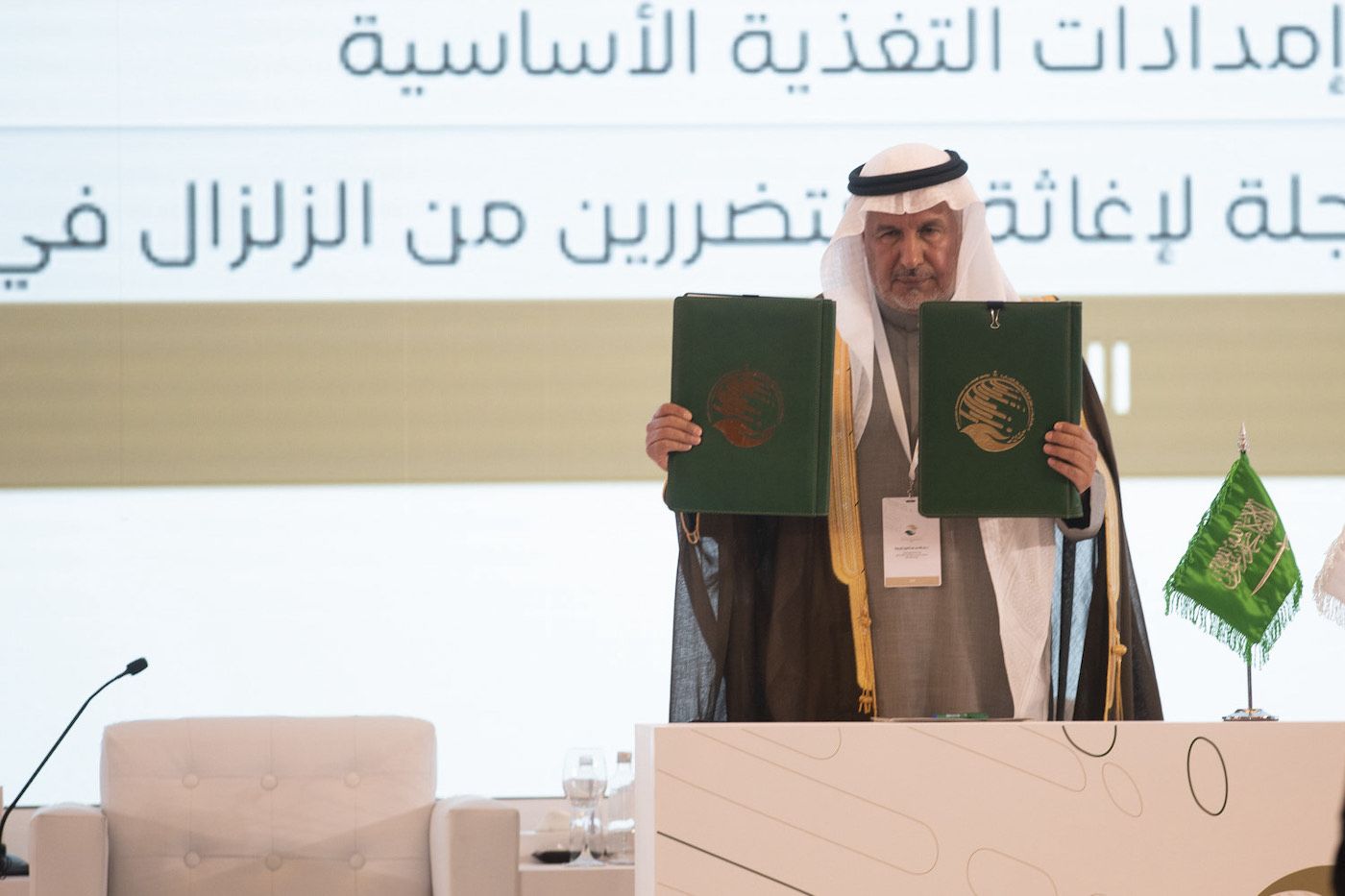
KSrelief Supervisor General Dr. Abdullah Al-Rabeeah told Arab News in an exclusive interview on the sidelines of the forum that one of the main takeaways of the meetings was thorough discussions on minimizing the “big gap” between needs and funding, and proactive response as the number of natural and human-made disasters had been on the rise.
“We have seen an increasing number of conflicts, disasters and earthquakes, so we have to improve our response and be quicker in terms of response. Coordination remains an issue, especially when there is an emergency response and this is an area that has been also discussed — how we can be more coordinated than ever,” he said.
 Riyadh International Humanitarian Forum has concluded with
recommendations on minimizing funding gaps in relief aid and utilizing
science and innovation for quicker response and coordination.
Riyadh International Humanitarian Forum has concluded with
recommendations on minimizing funding gaps in relief aid and utilizing
science and innovation for quicker response and coordination.
“One of the important issues discussed is how can we utilize research, science, digitalization and artificial intelligence in data collection and also prioritization and coordination. These are the top issues that have been really discussed heavily.”
At the end of the forum, the participants agreed on adopting a series of recommendations to further collective efforts in the fields of partnership, assessment, anticipatory action and achieving the UN’s sustainable development goals through a humanitarian, developmental and peace nexus.
Among the key recommended actions was assessing humanitarian needs and monitoring interventions by using “innovative technologies, researched and evidence-based approaches, data collection mechanisms and big data analytics.”
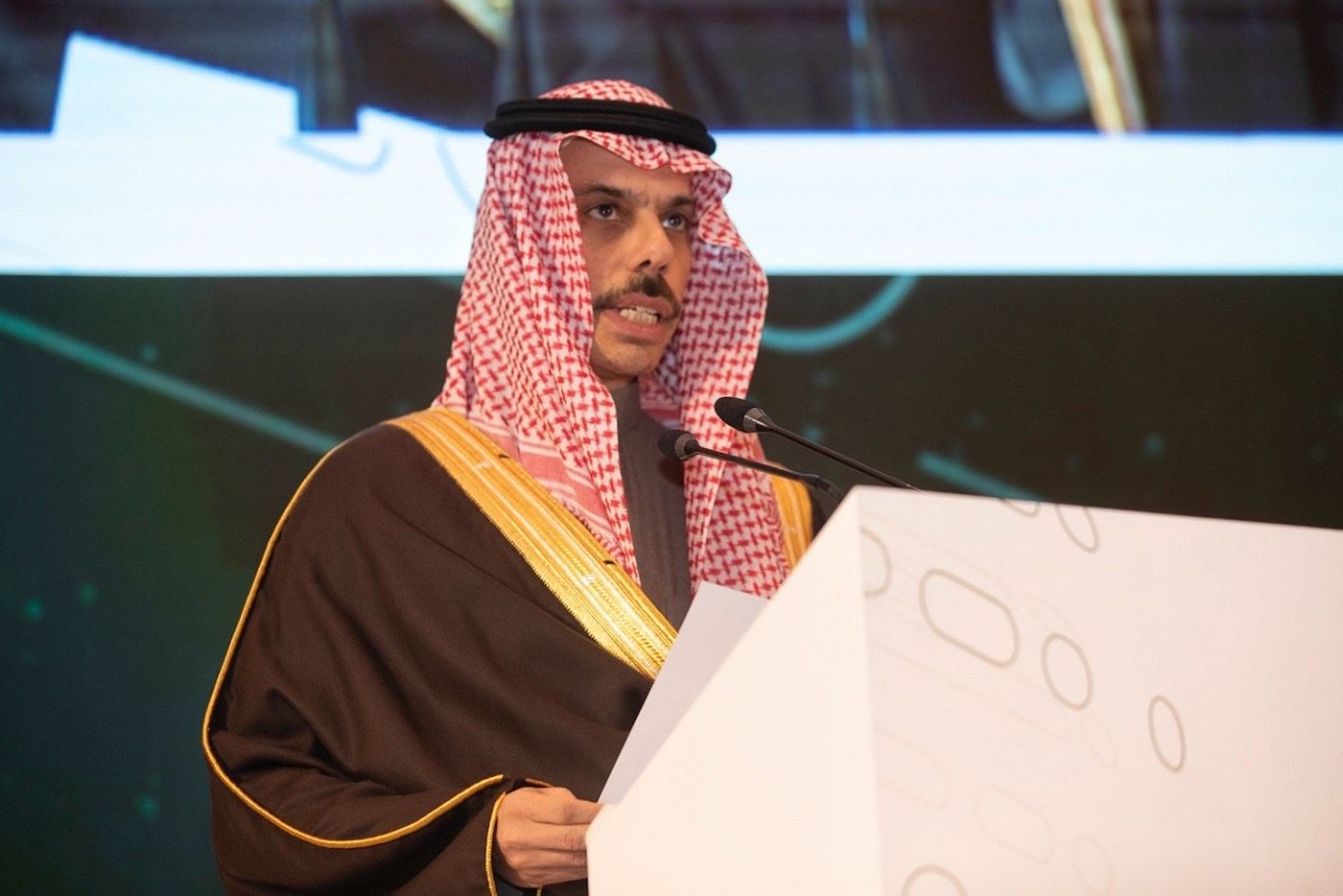 Saudi Foreign Minister Prince Faisal bin Farhan speaks at the Riyadh International Humanitarian Forum.
The use of the newest technologies, like AI, in supporting response is a new area of humanitarian work, and the Riyadh forum was one of the first international meetings to highlight the need for it.
“The necessity for humanitarian aid and the urgency in having an efficient process with adequate data is becoming paramount, as was clearly stated in the humanitarian forum that KSrelief led these two days and included in its recommendations for future action plans,” Marita Kassis, political analyst and media expert on the Middle East, told Arab News on the sidelines of the conference.
“AI is the future, and today is taking the world by storm, with governments and world leaders trying to incorporate it in most sectors.
“Between wars and natural disasters, there is no shortage of catastrophes to attend to. AI can play a vital part in streamlining these humanitarian efforts and efficiently instill a process of coordination that will list needs, delivery and transparency,” Kassis said.
 Riyadh International Humanitarian Forum has concluded with
recommendations on minimizing funding gaps in relief aid and utilizing
science and innovation for quicker response and coordination.
Riyadh International Humanitarian Forum has concluded with
recommendations on minimizing funding gaps in relief aid and utilizing
science and innovation for quicker response and coordination.