Saudi Oil Output Hits Multi-Decade Low as Production Cuts Reshape Global Energy Balance
A sharp decline in Saudi crude production reflects extended supply management policy and shifting OPEC+ strategy, with implications for prices, capacity planning, and global energy security
The system governing global oil supply management through OPEC+ production policy is driving a significant reduction in Saudi Arabia’s crude output, which has reportedly fallen to its lowest level in decades.
What is confirmed is that Saudi production has been constrained by a prolonged cycle of voluntary output cuts coordinated with other major oil producers in an effort to stabilize global prices and manage market volatility.
The result is a structural reduction in output capacity utilization rather than an unexpected operational collapse.
The reported fall to multi-decade lows reflects the combined effect of policy-driven cuts and market management strategies rather than a sudden loss of production capability.
Saudi Arabia, as the world’s largest oil exporter, has repeatedly adjusted output levels in coordination with OPEC+ partners, particularly Russia and other Gulf producers, to influence global supply conditions.
These coordinated reductions have been extended multiple times in response to weakening global demand signals, economic uncertainty, and price stability objectives.
The key mechanism behind the decline is not geological depletion but deliberate supply restraint.
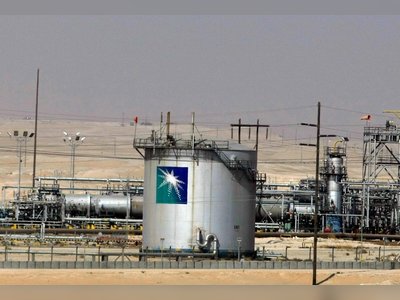
Saudi Arabia has maintained significant spare production capacity, but has chosen to leave a portion of it offline to support higher oil prices and stabilize revenues.
This has resulted in lower actual production volumes even while infrastructure capacity remains broadly intact.
The distinction is critical: output is down due to policy, not because the country cannot produce more.
The broader context is a global energy market still adjusting to post-pandemic demand shifts, geopolitical disruptions, and the reconfiguration of supply chains following sanctions on major exporters.
In this environment, OPEC+ coordination has become more aggressive, with production decisions increasingly tied to price targets and fiscal stability needs rather than maximizing volume.
For Saudi Arabia, the trade-off is strategic.
Lower production supports higher per-barrel prices, which helps finance large-scale domestic investment programs and sovereign development initiatives.
However, sustained output restraint also reduces export volumes, tightening fiscal flexibility and increasing reliance on price stability.
This dynamic places greater importance on disciplined coordination within OPEC+ and predictable demand conditions in major importing regions.
Globally, reduced Saudi output has contributed to tighter supply conditions, influencing benchmark crude prices and increasing sensitivity to geopolitical risk.
Even small disruptions in production policy now have amplified effects because spare capacity is concentrated in a small number of producers.
This concentration increases the strategic weight of Saudi decision-making in global energy markets.
The reported historical comparison to multi-decade lows highlights the scale of current policy intervention in the oil market.
However, it does not indicate a structural collapse in Saudi production capability.
Instead, it reflects an intentional recalibration of output levels to manage global price dynamics in a period of uncertain demand growth and competing economic pressures.
The immediate consequence is a global oil market that remains tightly balanced, with Saudi Arabia continuing to function as the primary swing producer.
Any future shift in production policy is likely to have outsized effects on global pricing and supply stability, reinforcing the central role of Saudi output decisions in the broader energy system.
What is confirmed is that Saudi production has been constrained by a prolonged cycle of voluntary output cuts coordinated with other major oil producers in an effort to stabilize global prices and manage market volatility.
The result is a structural reduction in output capacity utilization rather than an unexpected operational collapse.
The reported fall to multi-decade lows reflects the combined effect of policy-driven cuts and market management strategies rather than a sudden loss of production capability.
Saudi Arabia, as the world’s largest oil exporter, has repeatedly adjusted output levels in coordination with OPEC+ partners, particularly Russia and other Gulf producers, to influence global supply conditions.
These coordinated reductions have been extended multiple times in response to weakening global demand signals, economic uncertainty, and price stability objectives.
The key mechanism behind the decline is not geological depletion but deliberate supply restraint.
Saudi Arabia has maintained significant spare production capacity, but has chosen to leave a portion of it offline to support higher oil prices and stabilize revenues.
This has resulted in lower actual production volumes even while infrastructure capacity remains broadly intact.
The distinction is critical: output is down due to policy, not because the country cannot produce more.
The broader context is a global energy market still adjusting to post-pandemic demand shifts, geopolitical disruptions, and the reconfiguration of supply chains following sanctions on major exporters.
In this environment, OPEC+ coordination has become more aggressive, with production decisions increasingly tied to price targets and fiscal stability needs rather than maximizing volume.
For Saudi Arabia, the trade-off is strategic.
Lower production supports higher per-barrel prices, which helps finance large-scale domestic investment programs and sovereign development initiatives.
However, sustained output restraint also reduces export volumes, tightening fiscal flexibility and increasing reliance on price stability.
This dynamic places greater importance on disciplined coordination within OPEC+ and predictable demand conditions in major importing regions.
Globally, reduced Saudi output has contributed to tighter supply conditions, influencing benchmark crude prices and increasing sensitivity to geopolitical risk.
Even small disruptions in production policy now have amplified effects because spare capacity is concentrated in a small number of producers.
This concentration increases the strategic weight of Saudi decision-making in global energy markets.
The reported historical comparison to multi-decade lows highlights the scale of current policy intervention in the oil market.
However, it does not indicate a structural collapse in Saudi production capability.
Instead, it reflects an intentional recalibration of output levels to manage global price dynamics in a period of uncertain demand growth and competing economic pressures.
The immediate consequence is a global oil market that remains tightly balanced, with Saudi Arabia continuing to function as the primary swing producer.
Any future shift in production policy is likely to have outsized effects on global pricing and supply stability, reinforcing the central role of Saudi output decisions in the broader energy system.