Saudi Arabia and the UAE Recalibrate Strategy as Fragile US–Iran Truce Reshapes Gulf Security
A volatile pause in the Iran conflict is forcing Gulf powers to adjust defense posture, energy strategy, and diplomatic coordination amid fears of renewed escalation
The geopolitical system governing Gulf security is being reshaped by a fragile truce between the United States and Iran, forcing Saudi Arabia and the United Arab Emirates to reassess their regional priorities, defense posture, and economic assumptions in real time.
The shift is not driven by a single incident but by the structural uncertainty created after months of direct and indirect confrontation across the Gulf, including missile activity, maritime disruption, and repeated strikes on energy infrastructure linked to Iranian and allied forces.
What is confirmed is that the US–Iran truce remains unstable and politically conditional, with repeated warnings from regional actors that it could collapse under renewed escalation.
In parallel, Gulf states have maintained high-level diplomatic coordination with both Washington and each other to manage the risk of renewed conflict.
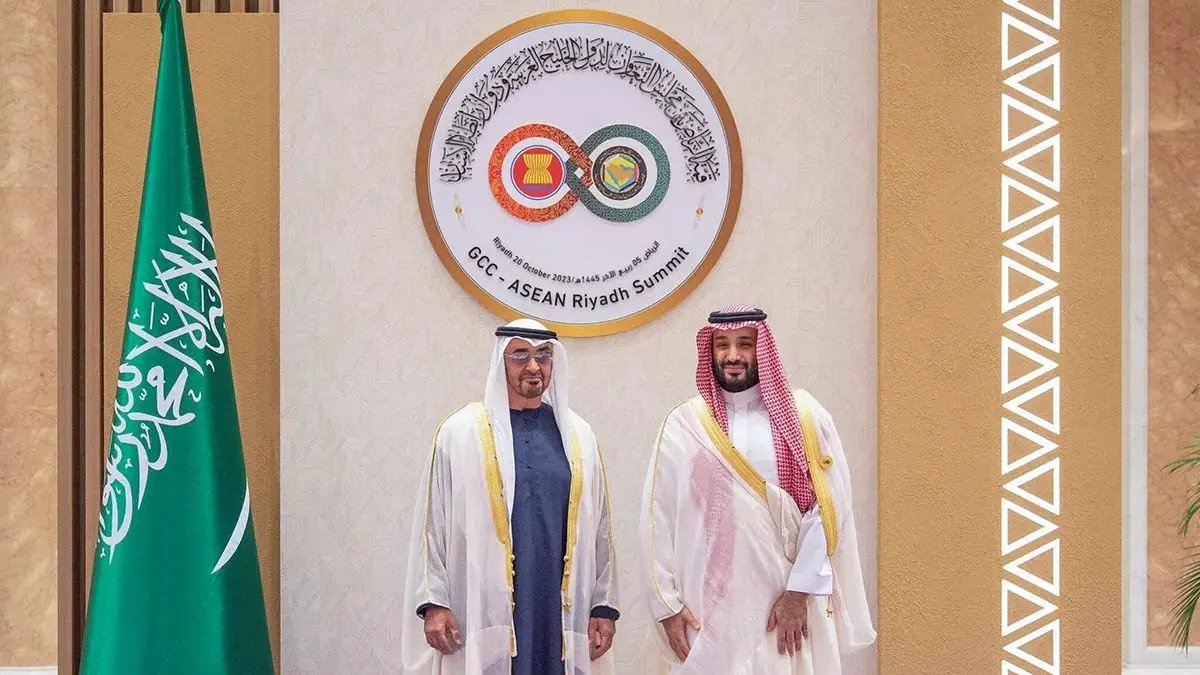
Recent reporting indicates frequent communication between Saudi and Emirati leadership focused on security stabilization and contingency planning, reflecting concern that the current pause in hostilities may not hold.
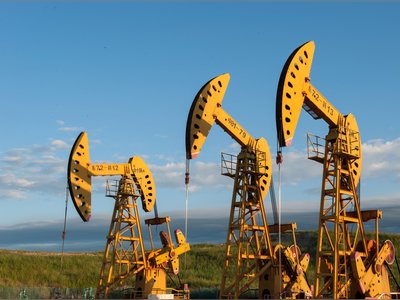
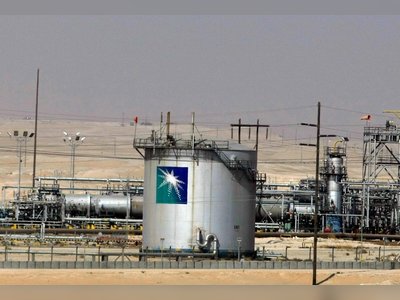
The core mechanism driving the reassessment is energy security combined with maritime vulnerability.
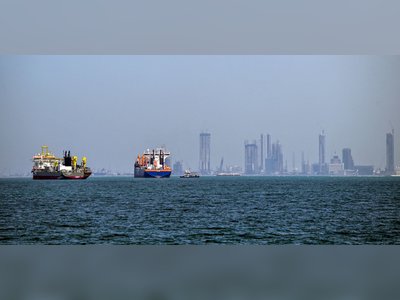
The Strait of Hormuz remains the critical chokepoint through which a significant share of global oil flows, and during the recent conflict cycle it has been repeatedly treated as a lever of pressure.
Disruption risks have forced Gulf exporters to reconsider routing strategies, diversify export infrastructure, and prioritize western-facing logistics corridors such as Red Sea terminals.
Saudi Arabia, in particular, has been accelerating the strategic shift away from exclusive reliance on Gulf shipping routes, while the UAE has continued to expand its external port and logistics network to reduce exposure to regional chokepoint risk.
Military risk perception has also shifted.
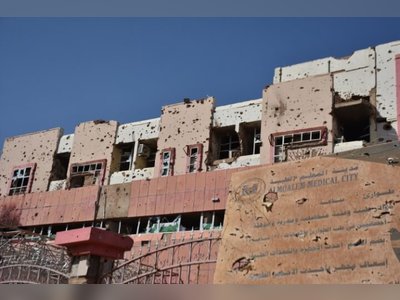
Gulf states have experienced direct or indirect exposure to missile and drone activity during the broader Iran conflict, including incidents affecting infrastructure and maritime assets.
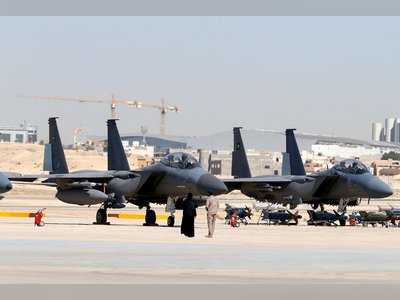
This has reinforced a dual-track strategy: deterrence through closer security coordination with external partners, while simultaneously avoiding uncontrolled escalation with Iran that could further destabilize trade flows and domestic development agendas.
A key unresolved tension lies in the diverging strategic approaches of Riyadh and Abu Dhabi.
Saudi Arabia has tended to prioritize de-escalation and containment, seeking to preserve economic transformation plans that depend on stability and predictable energy revenue.
The UAE, by contrast, has shown a greater willingness to align more closely with hard deterrence frameworks and to publicly emphasize the need for long-term structural constraints on Iran’s regional capabilities.
This divergence is not a rupture in their relationship, but it reflects different risk calculations under the same security umbrella.
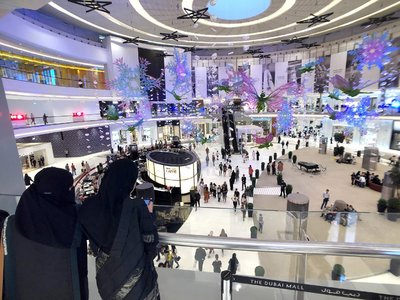
The economic dimension is equally central.
Both states are managing exposure to oil price volatility, shipping disruptions, and investor uncertainty linked to the possibility of renewed conflict.
While high energy prices can provide short-term fiscal support, prolonged instability threatens long-term investment inflows and the credibility of diversification programs that depend on predictable regional conditions.
Infrastructure planning is increasingly being treated as dual-use resilience planning, with logistics, ports, and energy corridors designed to function under partial disruption scenarios.
Diplomatically, Gulf states are attempting to embed themselves within any emerging post-truce security architecture rather than remain peripheral to US–Iran negotiations.
Their objective is to ensure that any settlement includes enforceable constraints on missile activity, maritime disruption, and proxy warfare, rather than a narrow ceasefire that could unravel quickly.
This reflects a broader shift from reactive diplomacy to attempts at structural influence over regional security rules.
The situation remains fluid because the truce itself is not institutionalized into a durable agreement and is instead sustained through parallel negotiations, external mediation, and temporary de-escalation incentives.
That fragility is shaping every Gulf strategic calculation, from military readiness to trade routing and sovereign wealth allocation.
The immediate consequence is a Gulf region operating in a conditional pause rather than a stable peace, where Saudi Arabia and the UAE are simultaneously preparing for renewed escalation while trying to preserve the economic trajectory of their long-term national transformation programs.
The shift is not driven by a single incident but by the structural uncertainty created after months of direct and indirect confrontation across the Gulf, including missile activity, maritime disruption, and repeated strikes on energy infrastructure linked to Iranian and allied forces.
What is confirmed is that the US–Iran truce remains unstable and politically conditional, with repeated warnings from regional actors that it could collapse under renewed escalation.
In parallel, Gulf states have maintained high-level diplomatic coordination with both Washington and each other to manage the risk of renewed conflict.
Recent reporting indicates frequent communication between Saudi and Emirati leadership focused on security stabilization and contingency planning, reflecting concern that the current pause in hostilities may not hold.
The core mechanism driving the reassessment is energy security combined with maritime vulnerability.
The Strait of Hormuz remains the critical chokepoint through which a significant share of global oil flows, and during the recent conflict cycle it has been repeatedly treated as a lever of pressure.
Disruption risks have forced Gulf exporters to reconsider routing strategies, diversify export infrastructure, and prioritize western-facing logistics corridors such as Red Sea terminals.
Saudi Arabia, in particular, has been accelerating the strategic shift away from exclusive reliance on Gulf shipping routes, while the UAE has continued to expand its external port and logistics network to reduce exposure to regional chokepoint risk.
Military risk perception has also shifted.
Gulf states have experienced direct or indirect exposure to missile and drone activity during the broader Iran conflict, including incidents affecting infrastructure and maritime assets.
This has reinforced a dual-track strategy: deterrence through closer security coordination with external partners, while simultaneously avoiding uncontrolled escalation with Iran that could further destabilize trade flows and domestic development agendas.
A key unresolved tension lies in the diverging strategic approaches of Riyadh and Abu Dhabi.
Saudi Arabia has tended to prioritize de-escalation and containment, seeking to preserve economic transformation plans that depend on stability and predictable energy revenue.
The UAE, by contrast, has shown a greater willingness to align more closely with hard deterrence frameworks and to publicly emphasize the need for long-term structural constraints on Iran’s regional capabilities.
This divergence is not a rupture in their relationship, but it reflects different risk calculations under the same security umbrella.
The economic dimension is equally central.
Both states are managing exposure to oil price volatility, shipping disruptions, and investor uncertainty linked to the possibility of renewed conflict.
While high energy prices can provide short-term fiscal support, prolonged instability threatens long-term investment inflows and the credibility of diversification programs that depend on predictable regional conditions.
Infrastructure planning is increasingly being treated as dual-use resilience planning, with logistics, ports, and energy corridors designed to function under partial disruption scenarios.
Diplomatically, Gulf states are attempting to embed themselves within any emerging post-truce security architecture rather than remain peripheral to US–Iran negotiations.
Their objective is to ensure that any settlement includes enforceable constraints on missile activity, maritime disruption, and proxy warfare, rather than a narrow ceasefire that could unravel quickly.
This reflects a broader shift from reactive diplomacy to attempts at structural influence over regional security rules.
The situation remains fluid because the truce itself is not institutionalized into a durable agreement and is instead sustained through parallel negotiations, external mediation, and temporary de-escalation incentives.
That fragility is shaping every Gulf strategic calculation, from military readiness to trade routing and sovereign wealth allocation.
The immediate consequence is a Gulf region operating in a conditional pause rather than a stable peace, where Saudi Arabia and the UAE are simultaneously preparing for renewed escalation while trying to preserve the economic trajectory of their long-term national transformation programs.