UAE and Saudi Arabia Escalate Anti-Iran Posture but Stop Short of War, Despite Rising Regional Tensions
Claims of direct war entry are not supported; both Gulf states are intensifying deterrence, defense coordination, and diplomatic maneuvering amid ongoing Iran-linked regional escalation.
The dominant driver of this story is an EVENT-DRIVEN escalation cycle across the Middle East, shaped by sustained geopolitical tension between Iran and Gulf Arab states, alongside repeated security incidents involving militias aligned with Iran, maritime disruptions, and periodic missile and drone threats across the region.
This environment has produced heightened military readiness and sharper political rhetoric, but not a formal shift into declared interstate war.
Claims that the United Arab Emirates and Saudi Arabia have “entered the war against Iran” are not supported by verified evidence of direct conventional warfare between the states.
Neither country has declared war, and there is no confirmed engagement of Saudi or Emirati armed forces in sustained offensive operations against Iranian territory or Iranian state military forces.
The situation instead reflects a long-running pattern of indirect confrontation and deterrence.
What is confirmed is that both Saudi Arabia and the UAE continue to strengthen defensive military posture in response to regional instability.
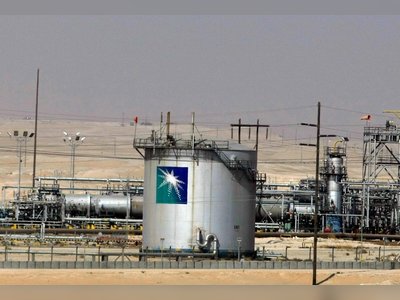
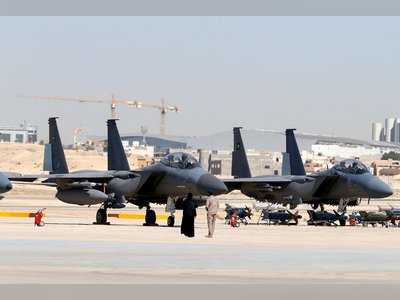
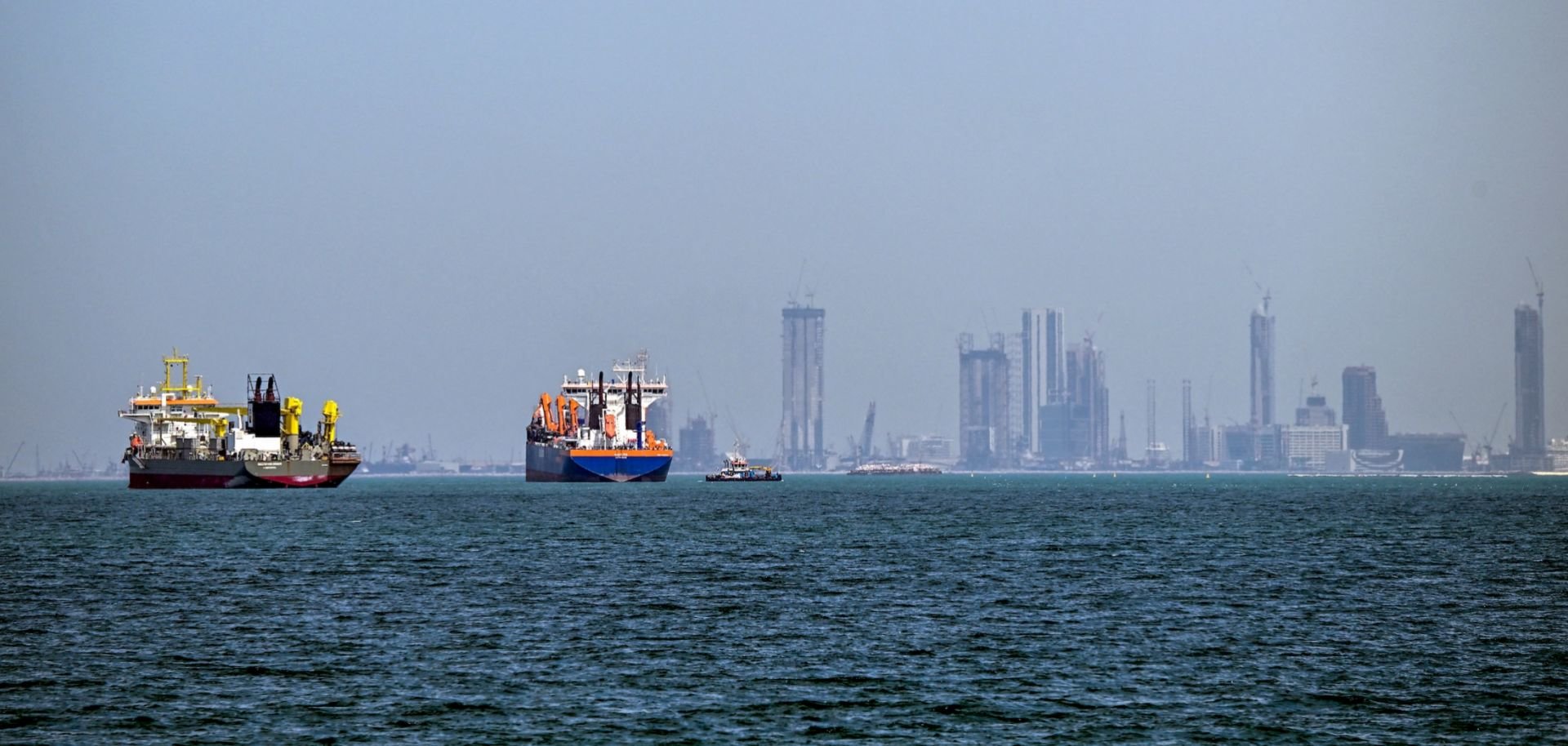
This includes expanded air defense systems, missile interception capabilities, maritime surveillance operations, and coordination with allied security partners to protect energy infrastructure and shipping routes.
These measures are designed to deter attacks and reduce vulnerability rather than initiate open conflict.
The key issue shaping interpretations of “war” language is the fragmented nature of modern regional conflict.
Iran’s influence is largely exercised through non-state actors and aligned militias operating in countries such as Yemen, Iraq, Lebanon, and Syria.
As a result, confrontation often occurs indirectly through proxy engagements, intercepted strikes, and maritime incidents rather than formal state-on-state warfare.
Saudi Arabia’s strategy has included both defensive preparation and selective diplomatic de-escalation.
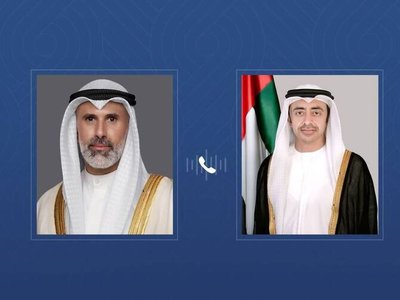
In recent years, it has pursued renewed diplomatic channels with Iran aimed at reducing direct confrontation risks, while simultaneously maintaining strong military readiness around critical infrastructure and oil export routes.
The UAE has adopted a similar dual-track approach, balancing economic normalization and regional trade priorities with advanced defense integration and counter-drone systems.
There is no confirmed operational framework indicating that either Gulf state has transitioned from deterrence to active war footing against Iran.
Instead, both remain embedded in a regional security environment characterized by escalation management, rapid defensive responses, and intermittent diplomatic engagement.
The broader implication is that the Middle East is functioning in a sustained gray-zone conflict state, where tensions are high and security systems are active, but thresholds for formal war are not being crossed.
This increases volatility risks for global energy markets, maritime trade routes, and regional investment stability while reinforcing the importance of defensive alliances and crisis management mechanisms.
This environment has produced heightened military readiness and sharper political rhetoric, but not a formal shift into declared interstate war.
Claims that the United Arab Emirates and Saudi Arabia have “entered the war against Iran” are not supported by verified evidence of direct conventional warfare between the states.
Neither country has declared war, and there is no confirmed engagement of Saudi or Emirati armed forces in sustained offensive operations against Iranian territory or Iranian state military forces.
The situation instead reflects a long-running pattern of indirect confrontation and deterrence.
What is confirmed is that both Saudi Arabia and the UAE continue to strengthen defensive military posture in response to regional instability.
This includes expanded air defense systems, missile interception capabilities, maritime surveillance operations, and coordination with allied security partners to protect energy infrastructure and shipping routes.
These measures are designed to deter attacks and reduce vulnerability rather than initiate open conflict.
The key issue shaping interpretations of “war” language is the fragmented nature of modern regional conflict.
Iran’s influence is largely exercised through non-state actors and aligned militias operating in countries such as Yemen, Iraq, Lebanon, and Syria.
As a result, confrontation often occurs indirectly through proxy engagements, intercepted strikes, and maritime incidents rather than formal state-on-state warfare.
Saudi Arabia’s strategy has included both defensive preparation and selective diplomatic de-escalation.
In recent years, it has pursued renewed diplomatic channels with Iran aimed at reducing direct confrontation risks, while simultaneously maintaining strong military readiness around critical infrastructure and oil export routes.
The UAE has adopted a similar dual-track approach, balancing economic normalization and regional trade priorities with advanced defense integration and counter-drone systems.
There is no confirmed operational framework indicating that either Gulf state has transitioned from deterrence to active war footing against Iran.
Instead, both remain embedded in a regional security environment characterized by escalation management, rapid defensive responses, and intermittent diplomatic engagement.
The broader implication is that the Middle East is functioning in a sustained gray-zone conflict state, where tensions are high and security systems are active, but thresholds for formal war are not being crossed.
This increases volatility risks for global energy markets, maritime trade routes, and regional investment stability while reinforcing the importance of defensive alliances and crisis management mechanisms.