Arab Press

بالشعب و للشعب
Tuesday, Dec 02, 2025

This is how Dubai startups are training AI to be more human and unbiased

This is how Dubai startups are training AI to be more human and unbiased

As global dependence on digital technology grows rapidly, brands explore how they can reach consumers better with more humanised technology, and Dubai startups train AI with what they call ethical data to gain the trust of its users.


The COVID-19 pandemic saw a drastic increase in the global dependency on digital technology, yet some types of human-computer interactions (HCI) require more human focus to succeed.

In the Middle East, consumers are increasingly using the internet to buy food, meet each other, and learn in digital spaces. But one industry isn’t faring so well online.

The regional apparel industry fell sharply since early 2020 according to McKinsey & Company, which identified that consumers shopping online for customised items, such as clothing and beauty products, need more personal attention.

Emotional shopping


Dubai-based software provider GetBEE, says it has created the first personalised network for brands to engage with customers on a more human, and immersive level.

Shoppers can view, rate, and receive face-to-face guidance through a video call from their chosen salesperson. Within the call, users can receive direct instructions on how to take their measurements properly and receive a second opinion on items in their virtual shopping cart.
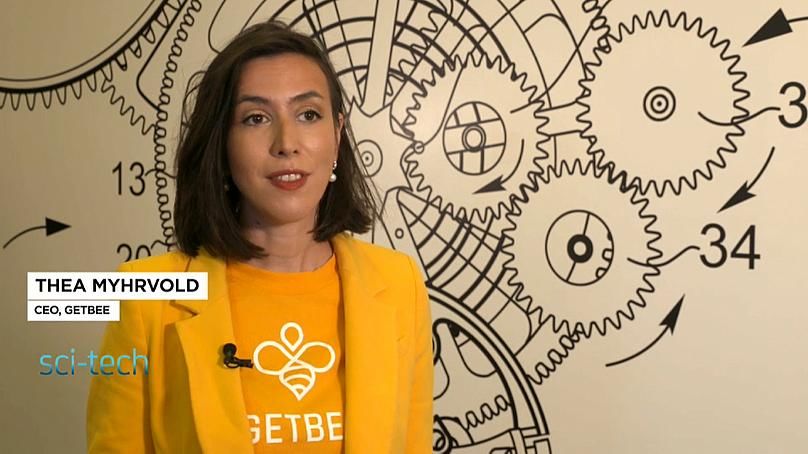
CEO of Getbee


Thea Myhrvold, GetBEE’s founder and CEO, says that despite global fashion profits plummeting in 2020, online retail apparel sales increased by 28% on average in a matter of months for nearly 20 brands using their platform.

“People buy from people at the end of the day,” says Myhrvold, a former schoolteacher turned serial entrepreneur, who believes similar empathy applies to education as well as to retail.

“86% of customers prefer dealing with a person over a chatbot. And that's why this personalised emotional purchasing experience truly works.”

Chalhoub Middle East represents luxury retail clients including Lancôme and Faces. The regional distributor says humanising online platforms welcomed a new wave of shoppers during lockdown measures.

“It helped us survive,” says Aleksandra Harciarek, an omni-channel project manager at Chalhoub Group.

“It helped us generate results that would not be there if we would stay, just waiting for our IT to build e-commerce platforms for us.”

Biased technology


While the retail industry creates technology with more relatable output, a demand to input human values in complex systems such as machine learning systems is growing.

Technology including artificial intelligence is dependent on the information its developers teach it, which can lead to human issues of bias and unethical practices if not regulated.

In 2015, Amazon’s AI recruiting engine determined that resumes with the word “women’s” were less preferable.

A 2018 MIT study found facial recognition algorithms had higher detection errors towards Black people compared to White people.

After opposition protests, Microsoft, IBM, and Amazon refused to sell their facial analysing software to US police in 2020, for fear of racial profiling and mass surveillance.

Despite this, only 25% of businesses consider ethical implications before investing in AI according to Price Waterhouse Coopers (PwC), which estimates that the technology will contribute about 13 trillion euros to the global economy by 2030.

Inputting values


Datumcon trains AI neural networks to ensure safe oil drilling, track mask and social distancing compliance, and detect human emotion with sentiment analysis.

Cesar Andres Lopez, Datumcon’s CEO, says AI is superior to humans at performing specific tasks such as differentiating between a cat and a dog. Human guidance is essential for more complex tasks such as detecting emotions, yet he adds, it can welcome human bias at the same time if not trained properly.
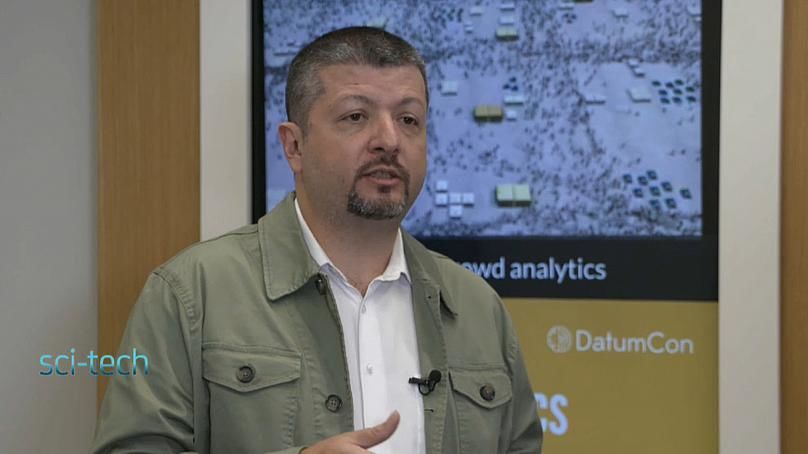
CEO, Datumcon


“This is one of the big problems that we have in the future,” says Lopez, who explains that the key to preventing bias is using localisation to train neural networks how to think.

“We make sure that the data tagging is coming from local people because we want to be able to reflect the local characteristics of the data,” he says, using data sets that truly represent a society’s class, age, ethnic, and gender variety.

Datumcon enters samples from about 30 000 various faces to teach the detection of each basic emotion used in their sentiment analysis technology.

Once completed, the results are overseen by an in-house psychologist for accuracy.

Newsletter

Related Articles

Arab Press
0:00
0:00
Close
OPEC+ Unveils New Capacity-Based System to Anchor Future Oil Output Levels
Hong Kong Residents Mourn Victims as 1,500 People Relocated After Devastating Tower Fire
Saudi Arabia’s SAMAI Initiative Surpasses One-Million-Citizen Milestone in National AI Upskilling Drive
Saudi Arabia’s Specialty Coffee Market Set to Surge as Demand Soars and New Exhibition Drops in December
Saudi Arabia Moves to Open Two New Alcohol Stores for Foreigners Under Vision 2030 Reform
Saudi Arabia’s AI Ambitions Gain Momentum — but Water, Talent and Infrastructure Pose Major Hurdles
Tensions Surface in Trump-MBS Talks as Saudi Pushes Back on Israel Normalisation
Saudi Arabia Signals Major Maritime Crack-Down on Houthi Routes in Red Sea
Italy and Saudi Arabia Seal Over 20 Strategic Deals at Business Forum in Riyadh
COP30 Ends Without Fossil Fuel Phase-Out as US, Saudi Arabia and Russia Align in Obstruction Role
Saudi-Portuguese Economic Horizons Expand Through Strategic Business Council
DHL Commits $150 Million for Landmark Logistics Hub in Saudi Arabia
Saudi Aramco Weighs Disposals Amid $10 Billion-Plus Asset Sales Discussion
Trump Hosts Saudi Crown Prince for Major Defence and Investment Agreements
Families Accuse OpenAI of Enabling ‘AI-Driven Delusions’ After Multiple Suicides
Riyadh Metro Records Over One Hundred Million Journeys as Saudi Capital Accelerates Transit Era
Trump’s Grand Saudi Welcome Highlights U.S.–Riyadh Pivot as Israel Watches Warily
U.S. Set to Sell F-35 Jets to Saudi Arabia in Major Strategic Shift
Saudi Arabia Doubles Down on U.S. Partnership in Strategic Move
Saudi Arabia Charts Tech and Nuclear Leap Under Crown Prince’s U.S. Visit
Trump Elevates Saudi Arabia to Major Non-NATO Ally Amid Defense Deal
Trump Elevates Saudi Arabia to Major Non-NATO Ally as MBS Visit Yields Deepened Ties
Iran Appeals to Saudi Arabia to Mediate Restart of U.S. Nuclear Talks
Musk, Barra and Ford Join Trump in Lavish White House Dinner for Saudi Crown Prince
Lawmaker Seeks Declassification of ‘Shocking’ 2019 Call Between Trump and Saudi Crown Prince
US and Saudi Arabia Forge Strategic Defence Pact Featuring F-35 Sale and $1 Trillion Investment Pledge
Saudi Sovereign Wealth Fund Emerges as Key Contender in Warner Bros. Discovery Sale
Trump Secures Sweeping U.S.–Saudi Agreements on Jets, Technology and Massive Investment
Detroit CEOs Join White House Dinner as U.S.–Saudi Auto Deal Accelerates
Netanyahu Secures U.S. Assurance That Israel’s Qualitative Military Edge Will Remain Despite Saudi F-35 Deal
Ronaldo Joins Trump and Saudi Crown Prince’s Gala Amid U.S.–Gulf Tech and Investment Surge
U.S.–Saudi Investment Forum Sees U.S. Corporate Titans and Saudi Royalty Forge Billion-Dollar Ties
Elon Musk’s xAI to Deploy 500-Megawatt Saudi Data Centre with State-backed Partner HUMAIN
U.S. Clears Export of Advanced AI Chips to Saudi Arabia and UAE Amid Strategic Tech Partnership
xAI Selects Saudi Data-Centre as First Customer of Nvidia-Backed Humain Project
President Trump Hosts Saudi Crown Prince Mohammed bin Salman in Washington Amid Strategic Deal Talks
Saudi Crown Prince to Press Trump for Direct U.S. Role in Ending Sudan War
Trump Hosts Saudi Crown Prince: Five Key Takeaways from the White House Meeting
Trump Firmly Defends Saudi Crown Prince Over Khashoggi Murder Amid Washington Visit
Trump Backs Saudi Crown Prince Over Khashoggi Killing Amid White House Visit
Trump Publicly Defends Saudi Crown Prince Over Khashoggi Killing During Washington Visit
President Donald Trump Hosts Saudi Crown Prince Mohammed bin Salman at White House to Seal Major Defence and Investment Deals
Saudi Arabia’s Solar Surge Signals Unlikely Shift in Global Oil Powerhouse
Saudi Crown Prince Receives Letter from Iranian President Ahead of U.S. Visit
Saudi Arabia’s Crown Prince Begins Washington Visit to Cement Long-Term U.S. Alliance
Saudi Crown Prince Meets Trump in Washington to Deepen Defence, AI and Nuclear Ties
Saudi Arabia Accelerates Global Mining Strategy to Build a New Economic Pillar
Crown Prince Mohammed bin Salman Arrives in Washington to Reset U.S.–Saudi Strategic Alliance
Saudi-Israeli Normalisation Deal Looms, But Riyadh Insists on Proceeding After Israeli Elections
Saudis Prioritise US Defence Pact and AI Deals, While Israel Normalisation Takes Back Seat
×