Why the United States Remains Deeply Tied to Gulf Economies Despite Calls for Strategic Pullback
Energy security, financial interdependence, military positioning, and capital flows keep the US structurally linked to Gulf states even as Washington seeks to rebalance its global commitments
SYSTEM-DRIVEN geopolitical and economic interdependence continues to define the relationship between the United States and Gulf economies, making any meaningful strategic disengagement structurally difficult despite recurring political debates in Washington about reducing exposure to the Middle East.
At the core of the relationship is energy market stability.
While the United States has become a major oil and gas producer, global pricing remains linked to Gulf supply, particularly from Saudi Arabia and neighboring exporters.
Oil is priced globally, meaning disruptions or production decisions in the Gulf still influence inflation, transport costs, and industrial input prices in the United States economy.
This interconnection ensures that Gulf stability remains a direct economic concern for Washington.
Financial integration is another binding mechanism.
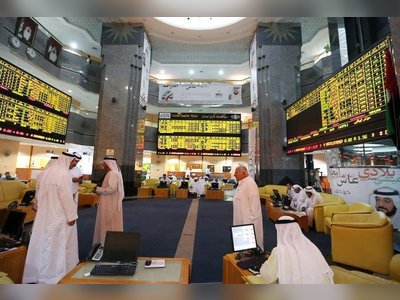
Sovereign wealth funds in Gulf states collectively manage trillions of dollars in assets and are deeply embedded in US capital markets, including equities, real estate, infrastructure, and private equity.
These flows support liquidity in American financial systems while also giving Gulf states significant exposure to US economic performance.
The relationship is therefore not one-directional but structurally reciprocal.
Military positioning further reinforces the link.
The United States maintains long-standing defense partnerships, basing arrangements, and security cooperation frameworks across the Gulf region.
These arrangements are designed to secure maritime routes such as the Strait of Hormuz, through which a significant portion of global oil shipments pass.
The operational logic is straightforward: ensuring uninterrupted energy flows requires sustained security engagement.
Trade and industrial supply chains add another layer of dependency.
Gulf economies are major importers of US aerospace, defense, technology, and industrial goods, while also serving as critical logistics and re-export hubs connecting Asia, Africa, and Europe.
This positioning makes the Gulf region a structural node in global commerce rather than a peripheral partner.
The key issue is that attempts at US strategic “pivoting” toward other regions, such as the Indo-Pacific, do not eliminate these dependencies.
Instead, they redistribute attention without removing underlying constraints.
Even as Washington prioritizes competition with China, it continues to rely on Gulf energy stability and financial recycling mechanisms that support US debt markets and investment flows.
Geopolitical risk also keeps the relationship active.
Regional conflicts, maritime security threats, and state-to-state tensions in the broader Middle East can rapidly affect energy prices and global market stability.
This creates a feedback loop where US diplomatic and military engagement remains reactive but continuous, driven by crisis prevention rather than expansion.
The result is a durable structural entanglement rather than a discretionary partnership.
While the United States can adjust its level of involvement, it cannot fully exit without triggering secondary effects on energy markets, financial stability, and global security infrastructure.
The implication is that US-Gulf relations are likely to remain anchored in long-term interdependence, with periodic political debates over disengagement ultimately constrained by the economic and security systems that bind both sides together.
At the core of the relationship is energy market stability.
While the United States has become a major oil and gas producer, global pricing remains linked to Gulf supply, particularly from Saudi Arabia and neighboring exporters.
Oil is priced globally, meaning disruptions or production decisions in the Gulf still influence inflation, transport costs, and industrial input prices in the United States economy.
This interconnection ensures that Gulf stability remains a direct economic concern for Washington.
Financial integration is another binding mechanism.
Sovereign wealth funds in Gulf states collectively manage trillions of dollars in assets and are deeply embedded in US capital markets, including equities, real estate, infrastructure, and private equity.
These flows support liquidity in American financial systems while also giving Gulf states significant exposure to US economic performance.
The relationship is therefore not one-directional but structurally reciprocal.
Military positioning further reinforces the link.
The United States maintains long-standing defense partnerships, basing arrangements, and security cooperation frameworks across the Gulf region.
These arrangements are designed to secure maritime routes such as the Strait of Hormuz, through which a significant portion of global oil shipments pass.
The operational logic is straightforward: ensuring uninterrupted energy flows requires sustained security engagement.
Trade and industrial supply chains add another layer of dependency.
Gulf economies are major importers of US aerospace, defense, technology, and industrial goods, while also serving as critical logistics and re-export hubs connecting Asia, Africa, and Europe.
This positioning makes the Gulf region a structural node in global commerce rather than a peripheral partner.
The key issue is that attempts at US strategic “pivoting” toward other regions, such as the Indo-Pacific, do not eliminate these dependencies.
Instead, they redistribute attention without removing underlying constraints.
Even as Washington prioritizes competition with China, it continues to rely on Gulf energy stability and financial recycling mechanisms that support US debt markets and investment flows.
Geopolitical risk also keeps the relationship active.
Regional conflicts, maritime security threats, and state-to-state tensions in the broader Middle East can rapidly affect energy prices and global market stability.
This creates a feedback loop where US diplomatic and military engagement remains reactive but continuous, driven by crisis prevention rather than expansion.
The result is a durable structural entanglement rather than a discretionary partnership.
While the United States can adjust its level of involvement, it cannot fully exit without triggering secondary effects on energy markets, financial stability, and global security infrastructure.
The implication is that US-Gulf relations are likely to remain anchored in long-term interdependence, with periodic political debates over disengagement ultimately constrained by the economic and security systems that bind both sides together.