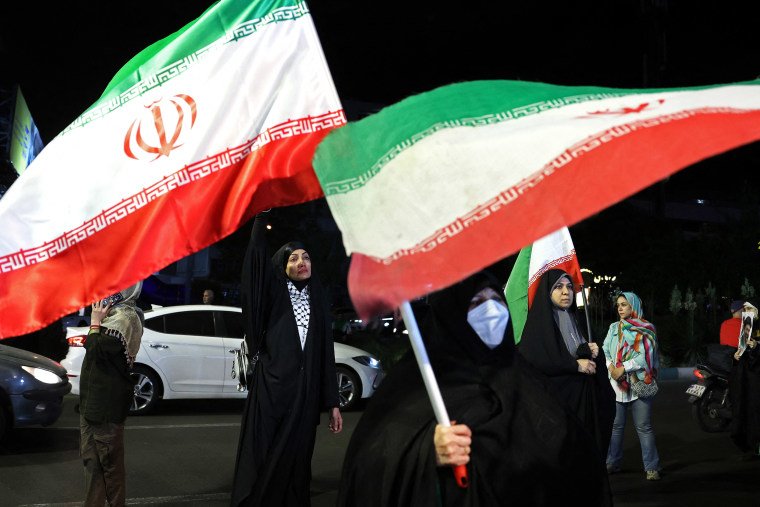
Trump Issues Warning to Iran as Gulf Drone Attacks Renew Security Fears
Fresh drone incidents in the UAE and Saudi Arabia intensify regional tensions, while Washington signals tighter pressure on Tehran amid escalating proxy conflict dynamics
EVENT-DRIVEN regional security tensions in the Gulf have escalated following renewed drone incidents in the United Arab Emirates and Saudi Arabia, alongside a warning from U.S. political leadership directed at Iran, describing a rapidly narrowing window for de-escalation.
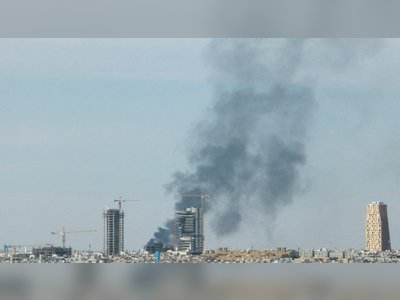
What is confirmed is that drone activity has again targeted or threatened infrastructure in multiple Gulf states, continuing a pattern of aerial incursions that regional governments have linked in past incidents to Iran-aligned armed groups operating across Iraq, Yemen, and other conflict zones.
Authorities in the UAE and Saudi Arabia have reported interceptions or attempted attacks, with air defense systems activated to neutralize incoming threats.
In parallel, a public warning attributed to Donald Trump stated that Iran’s “clock is ticking,” a phrase widely interpreted as a signal of potential increased U.S. political or strategic pressure.
The statement reflects a broader hardline posture toward Tehran that has previously emphasized sanctions, deterrence, and the possibility of stronger measures if regional instability escalates.
The key issue is the convergence of two dynamics: persistent low-cost drone warfare across the Gulf and intensified geopolitical signaling between major powers.
Drone systems have become a defining feature of regional conflict because they are inexpensive, difficult to attribute conclusively in real time, and capable of bypassing traditional air defense assumptions.
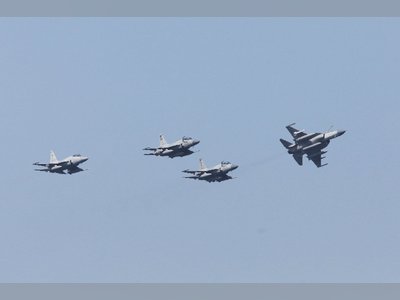
In Saudi Arabia, air defense systems have repeatedly intercepted unmanned aerial vehicles and missiles over recent years, particularly during periods of heightened tension linked to the broader Iran–Gulf rivalry.
The UAE has similarly faced attempted drone and missile attacks in past episodes of regional escalation, often prompting rapid defensive responses and temporary disruptions to air traffic or critical infrastructure operations.
No single actor has been officially confirmed in relation to the most recent incidents, and attribution in such cases typically depends on intelligence assessments that are not immediately made public.
In previous episodes, Western and Gulf governments have often pointed to Iran-aligned groups, while Tehran has denied direct involvement in cross-border attacks attributed to non-state actors.
The implications of renewed drone activity extend beyond immediate physical damage risk.
Even when interceptions are successful, repeated attempts can pressure air defense systems, increase operational costs, and elevate perceived instability in key energy-exporting regions.
This has direct relevance for global energy markets and investor risk calculations, given the Gulf’s central role in oil and gas supply chains.
The U.S. political dimension adds an additional layer of uncertainty.
Statements from senior political figures toward Iran often function as both deterrent messaging and domestic signaling, particularly during periods of heightened regional volatility.
However, such warnings can also raise the risk of miscalculation if interpreted as preparation for escalation.
Diplomatic channels between Gulf states and Iran remain active at varying levels, but security incidents of this kind repeatedly test the durability of de-escalation efforts.
Regional governments continue to invest in layered air defense systems, intelligence sharing, and counter-drone technologies in response to the growing frequency of unmanned aerial threats.
The immediate consequence is a reinforced cycle of attack and interception that has become structurally embedded in Gulf security dynamics.
As drone warfare becomes more common and attribution remains contested, states are left managing not only physical threats but also the political instability generated by uncertainty over who is responsible and how far escalation may go next.
What is confirmed is that drone activity has again targeted or threatened infrastructure in multiple Gulf states, continuing a pattern of aerial incursions that regional governments have linked in past incidents to Iran-aligned armed groups operating across Iraq, Yemen, and other conflict zones.
Authorities in the UAE and Saudi Arabia have reported interceptions or attempted attacks, with air defense systems activated to neutralize incoming threats.
In parallel, a public warning attributed to Donald Trump stated that Iran’s “clock is ticking,” a phrase widely interpreted as a signal of potential increased U.S. political or strategic pressure.
The statement reflects a broader hardline posture toward Tehran that has previously emphasized sanctions, deterrence, and the possibility of stronger measures if regional instability escalates.
The key issue is the convergence of two dynamics: persistent low-cost drone warfare across the Gulf and intensified geopolitical signaling between major powers.
Drone systems have become a defining feature of regional conflict because they are inexpensive, difficult to attribute conclusively in real time, and capable of bypassing traditional air defense assumptions.
In Saudi Arabia, air defense systems have repeatedly intercepted unmanned aerial vehicles and missiles over recent years, particularly during periods of heightened tension linked to the broader Iran–Gulf rivalry.
The UAE has similarly faced attempted drone and missile attacks in past episodes of regional escalation, often prompting rapid defensive responses and temporary disruptions to air traffic or critical infrastructure operations.
No single actor has been officially confirmed in relation to the most recent incidents, and attribution in such cases typically depends on intelligence assessments that are not immediately made public.
In previous episodes, Western and Gulf governments have often pointed to Iran-aligned groups, while Tehran has denied direct involvement in cross-border attacks attributed to non-state actors.
The implications of renewed drone activity extend beyond immediate physical damage risk.
Even when interceptions are successful, repeated attempts can pressure air defense systems, increase operational costs, and elevate perceived instability in key energy-exporting regions.
This has direct relevance for global energy markets and investor risk calculations, given the Gulf’s central role in oil and gas supply chains.
The U.S. political dimension adds an additional layer of uncertainty.
Statements from senior political figures toward Iran often function as both deterrent messaging and domestic signaling, particularly during periods of heightened regional volatility.
However, such warnings can also raise the risk of miscalculation if interpreted as preparation for escalation.
Diplomatic channels between Gulf states and Iran remain active at varying levels, but security incidents of this kind repeatedly test the durability of de-escalation efforts.
Regional governments continue to invest in layered air defense systems, intelligence sharing, and counter-drone technologies in response to the growing frequency of unmanned aerial threats.
The immediate consequence is a reinforced cycle of attack and interception that has become structurally embedded in Gulf security dynamics.
As drone warfare becomes more common and attribution remains contested, states are left managing not only physical threats but also the political instability generated by uncertainty over who is responsible and how far escalation may go next.