Arab Press

بالشعب و للشعب
Saturday, Mar 14, 2026

Why did Alibaba's Jack Ma disappear for three months?

Why did Alibaba's Jack Ma disappear for three months?

Jack Ma was about to become the richest man in China.

In November 2020, on the eve of another commercial success, the outspoken billionaire suddenly went missing.

Ma's company Alibaba has risen from an online store run from his apartment, to one of the world's largest tech giants.

Today, it reaches nearly 800 million users with services including online shopping, cloud computing and artificial intelligence.

The tech magnate is known for his flamboyant presence and publicity stunts.

He's thrown parties for thousands of his employees and serenaded them with musical numbers like You Raise Me Up.

His latest venture, Ant Group, commands the digital payment market in China through its Alipay mobile finance app.

Controversial speech


The company is aiming to revolutionise banking in China, shifting power away from traditional institutions.

On 24 October in Shanghai, Ant Group was ready to launch the world's biggest initial public offering on the stock exchange.
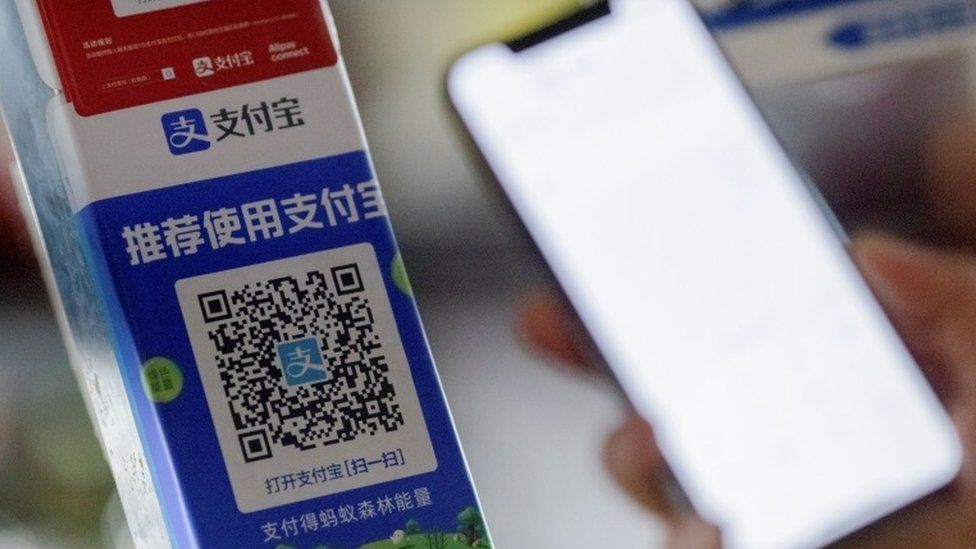
The digital payments service Alipay is ubiquitous in China

Ahead of this, Ma addressed an assembly of high-profile figures with a controversial speech that criticised the Chinese financial system.

He was not seen in public again until late January. In the interim, there were rumours that he might have been placed under house arrest or otherwise detained.

Some even questioned if he was still alive.

Summoned from on high


Ma's story is investigated as part of The Real Internet Giants, a new two-part series for BBC Radio 4, presented by entrepreneur Kathryn Parsons.

The Alibaba founder had accused Chinese banks of operating with a "pawn-shop mentality". He had also claimed that the authorities were trying to "use the way to manage a railway station to manage an airport" when it came to regulating the new world of digital finance.

These statements angered the banking establishment and reportedly reached the attention of President Xi Jinping.
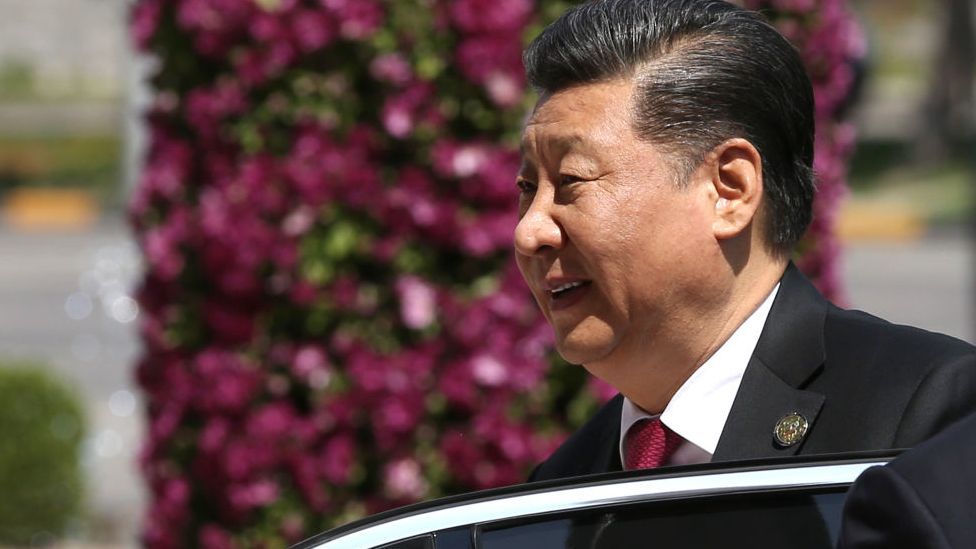
Some reports suggest President Xi personally intervened to block Alipay's share sale
Soon Ma and his close colleagues were summoned for a meeting with the regulators, and Ant Group's flotation was halted in its tracks.

Shares in Ma's companies fell, wiping nearly $76bn (£54bn) off its value.

After that meeting, Jack Ma was nowhere to be seen.

'Big surprise'


"That day he apparently crossed the invisible red line for what can be said and done in Xi Jinping's China," says Christina Boutrup, a China analyst who has interviewed Ma in the past.

"I believe it was a big surprise for him. He would never have crossed that line if he had known how bad it could go."

Eventually, on 20 January 2021, Ma resurfaced in the form of a short video address for a charity event.

He was subsequently spotted the following month playing golf on the Chinese tropical island of Hainan.

"Apparently he just kept a very low profile, which was really the best thing he could do," says Ms Boutrup.
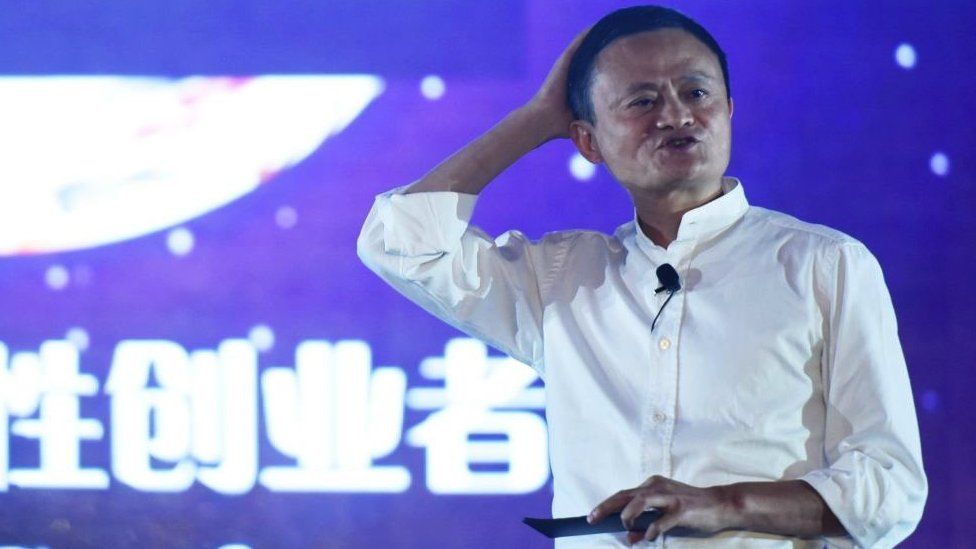
Jack Ma appears to have fallen out of favour with the Chinese leadership


Wider tech sector


The Chinese government is currently reconsidering its approach to regulating the tech giants, launching an anti-monopoly investigation into Alibaba.

And last week, one watchdog said it had fined 12 companies - including Tencent and Baidu - over 10 deals that it said violated anti-monopoly rules. This may signal an escalation of matters across the wider tech sector.

China is facing increasing international scrutiny from the US and elsewhere over its human rights policies in Hong Kong and Xinjiang.

The move to rein in the tech superpowers is seen by some as an effort to prioritise stability and control over commercial success.
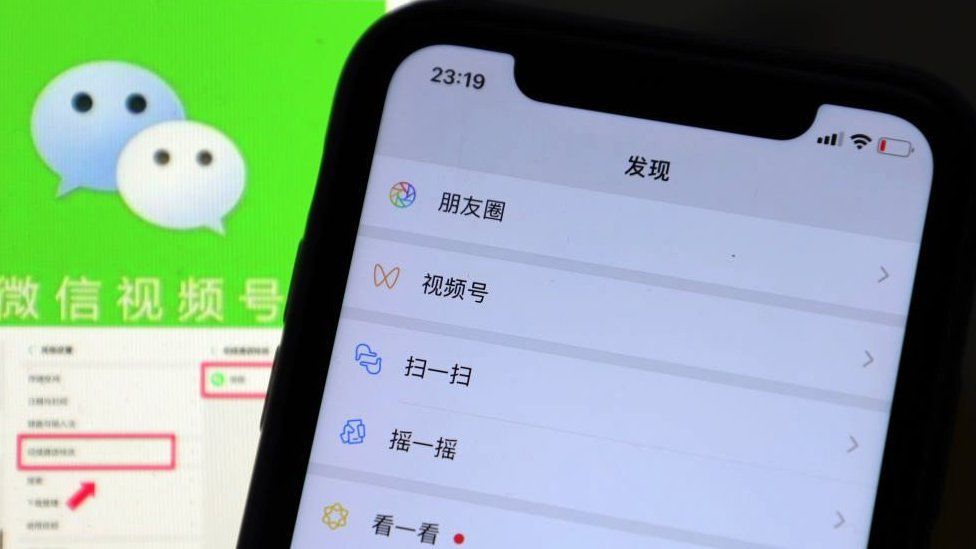
Tencent is responsible for the "super-app" WeChat among many other tech products

"There are [Communist] party committees there to remind the companies... that the party ultimately has power, even over powerful individuals like Jack Ma," says Samantha Hoffman, a researcher at the Australian Strategic Policy Institute.

This control extends to secrecy, she says.

"Not only is a company responsible to do what the party demands, but they also can't admit to doing that if they're asked."

But another expert suggests Alibaba and China's other tech giants should not be viewed in the West solely through a political lens.

"China is still a developing country… I think it might be unfair to judge a developing country against the same benchmarks and merits as you would a developed country," says Lillian Li, author of the popular Chinese tech newsletter Chinese Characteristics.

Entrepreneur Kathryn Parsons is the host of the BBC's two-part documentary series The Real Internet Giants


Newsletter

Related Articles

Arab Press
0:00
0:00
Close
Strait of Hormuz Crisis Forces Saudi Arabia Into Major Oil Production Shut-In
Saudi Arabia Slashes Oil Output as Strait of Hormuz Crisis Cuts Deep Into Gulf Revenues
Saudi Arabia’s Cultural Scene Presses Ahead as Nation Navigates Regional War
Saudi-Pakistan Defence Pact Faces Real-World Constraints as Iran War Escalates
Saudi Arabia Offers Two Million Barrels of Crude From Red Sea as War Disrupts Gulf Exports
Formula One Faces Tens of Millions in Lost Revenue if Bahrain and Saudi Arabia Races Are Cancelled
Formula One Set to Cancel Bahrain and Saudi Arabian Grands Prix Amid Escalating Middle East War
Saudi Arabia Downs Dozens of Iranian Drones in Major Defensive Operation
Saudi Arabia Cuts Oil Output by About Twenty Percent as Iran War Disrupts Gulf Energy Flows
Formula One Set to Cancel Bahrain and Saudi Arabian Grands Prix Amid Escalating Iran War
Asian Energy Security Tested as Strait of Hormuz Disruption Threatens Oil Supplies
Iran Sets Three Conditions for Ending Regional War as Diplomatic Efforts Intensify
Saudi Arabia Launches Royal Institute of Anthropology to Examine Social Transformation
Pakistan’s Prime Minister Shehbaz Sharif Arrives in Saudi Arabia for High-Level Talks
Saudi Aramco Turns to Ukrainian Drone Interceptors to Shield Oil Infrastructure from Iranian Threats
UK Foreign Secretary Travels to Saudi Arabia to Reinforce Support for Regional Allies
Rising Iran Conflict Casts Shadow Over Saudi Arabia’s $38 Billion Gaming Industry Ambitions
Iran Launches Missile and Drone Strikes Across Gulf as Oil Prices Surge Past $100
Saudi Air Defences Destroy Three Drones Targeting Strategic Shaybah Oil Field
Debate Grows Over Saudi Arabia’s Role in Sudan War Amid US Alliance Questions
Pakistan’s Prime Minister Travels to Saudi Arabia After Discussions With Iranian Leadership
Two Strategic Pipelines Allow Saudi Arabia and the UAE to Bypass the Strait of Hormuz
US Deploys Bunker-Buster Bombs to UK Airbase as Iran Conflict Intensifies
Iran warns of $200 oil as forces target merchant ships in Gulf
Japan to Release 45 Days of Oil Reserves Amid Iran Conflict
Three Commercial Vessels Attacked Near Strait of Hormuz, Thai-Flagged Ship Damaged and Crew Evacuated
Saudi Red Sea Oil Exports Set for Record in March as Kingdom Reroutes Crude Amid Hormuz Crisis
Saudi Arabia Seeks Belgian Military Support After Iranian Missile Attacks
Saudi Arabia Welcomes US Decision to Designate Sudan’s Muslim Brotherhood as Terrorist Organisation
Saudi Aramco Plans Dual Gulf and Red Sea Export Routes as Iran Crisis Disrupts Oil Shipments
Saudi Cabinet Condemns Iranian Attacks and Reaffirms Kingdom’s Right to Defend Its Sovereignty
Ukraine Deploys Counter-Drone Teams to Gulf States as Iranian Drone Threat Expands
Bahrain Grand Prix Faces Uncertainty as Saudi Arabia Works to Keep Formula One Race on Track
Saudi Arabia Faces New Strategic Dilemma in Yemen as Regional War Reshapes Calculations
OPEC Confirms Saudi-Led Oil Output Increase as Iran War Disrupts Global Energy Markets
Pakistan Pledges Rapid Support for Saudi Arabia Amid Escalating Middle East Tensions
Global Energy Agency Announces Record Release of 400 Million Barrels to Stabilize Oil Markets Amid Hormuz Disruption
Aramco Warns Global Oil Market Faces ‘Catastrophic’ Shock if Strait of Hormuz Remains Closed
Iran Launches Drone and Missile Attacks Across Gulf Targets Including Saudi Arabia, Kuwait and Bahrain
Saudi Arabia Elevates Fahad Al-Saif as Vision 2030 Enters Crucial Implementation Phase
Saudi Aramco Expands Routes to Move Oil Without Reliance on the Strait of Hormuz
Saudi Arabia and Pakistan Reaffirm Mutual Defense Cooperation Following Iran Strike
Saudi Arabia Plans Major Ukrainian Arms Deal to Counter Iranian Drone Threat
Pentagon Signals Intensification of U.S. Air Campaign as Iran Conflict Escalates
U.S. Senator Lindsey Graham Raises Prospect of Mutual Defense Pact With Saudi Arabia Amid Iran Conflict
Why Saudi Arabia Is Unlikely to Have Wanted U.S. Airstrikes on Iran
Saudi Arabia’s Red Sea Oil Exports Set to Reach Record High as Gulf Routes Face Disruption
Saudi Arabia Pushes East–West Oil Pipeline Toward Full Capacity as Hormuz Crisis Disrupts Global Energy Flows
Oil Prices Retreat From Peak as G7 Weighs Release of Strategic Reserves
×