0:00
0:00
Lindsey Graham Urges Saudi Arabia to Join US Effort Against Iran as War Expands
Senior Republican senator presses Gulf allies to take a more active role alongside the United States amid escalating conflict with Iran
U.S. Senator Lindsey Graham has intensified calls for Saudi Arabia and other Gulf allies to join the United States in confronting Iran, arguing that the moment represents a decisive opportunity to challenge Tehran’s leadership during a rapidly escalating regional conflict.
Graham, a senior Republican lawmaker and prominent supporter of President Donald Trump’s national security agenda, has urged Saudi leaders to take a more direct role alongside U.S. forces.
His appeal comes as military operations against Iran expand and tensions across the Middle East continue to rise.
The senator has warned that long-standing security partnerships between Washington and Gulf states depend on meaningful cooperation during moments of crisis.
In public remarks and messages to regional leaders, he said that the United States has invested heavily in the defense of its allies and expects stronger support as the confrontation with Iran intensifies.
The conflict escalated dramatically after coordinated U.S. and Israeli strikes against Iranian military infrastructure in late February triggered a wave of retaliatory missile and drone attacks across the region.
Several American service members have been killed during the fighting, and Iranian strikes have also targeted sites in Gulf countries, including Saudi Arabia.
Iranian drones and missiles have struck locations in the kingdom during the conflict, including areas near critical infrastructure and diplomatic facilities.
Saudi air defenses have intercepted many of the incoming attacks, but the incidents have underscored the widening scope of the war and the vulnerability of key regional assets.
Despite condemning Iranian attacks and strengthening defensive cooperation with Washington, Saudi Arabia has so far avoided committing its armed forces to direct participation in offensive operations against Iran.
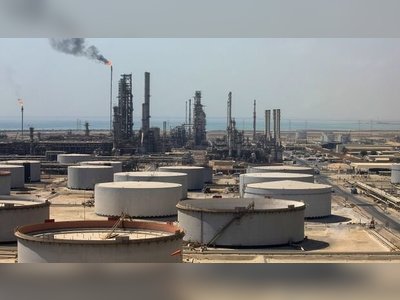
The kingdom has instead focused on protecting its territory and regional energy infrastructure while supporting broader diplomatic coordination among Gulf states.
Graham’s intervention reflects ongoing debates in Washington about how far regional allies should be involved in confronting Iran.
Some policymakers argue that a stronger coalition of Middle Eastern states could accelerate pressure on Tehran and stabilize the region.
Saudi officials have not publicly committed to joining the fighting but have continued consultations with American counterparts as the situation evolves.
The kingdom remains a central security partner for the United States, hosting key military facilities and cooperating closely on missile defense and intelligence sharing.
The question of whether Gulf states will deepen their participation in the conflict remains one of the most consequential strategic decisions facing the region as hostilities between Iran and its opponents continue to unfold.
Graham, a senior Republican lawmaker and prominent supporter of President Donald Trump’s national security agenda, has urged Saudi leaders to take a more direct role alongside U.S. forces.
His appeal comes as military operations against Iran expand and tensions across the Middle East continue to rise.
The senator has warned that long-standing security partnerships between Washington and Gulf states depend on meaningful cooperation during moments of crisis.
In public remarks and messages to regional leaders, he said that the United States has invested heavily in the defense of its allies and expects stronger support as the confrontation with Iran intensifies.
The conflict escalated dramatically after coordinated U.S. and Israeli strikes against Iranian military infrastructure in late February triggered a wave of retaliatory missile and drone attacks across the region.
Several American service members have been killed during the fighting, and Iranian strikes have also targeted sites in Gulf countries, including Saudi Arabia.
Iranian drones and missiles have struck locations in the kingdom during the conflict, including areas near critical infrastructure and diplomatic facilities.
Saudi air defenses have intercepted many of the incoming attacks, but the incidents have underscored the widening scope of the war and the vulnerability of key regional assets.
Despite condemning Iranian attacks and strengthening defensive cooperation with Washington, Saudi Arabia has so far avoided committing its armed forces to direct participation in offensive operations against Iran.
The kingdom has instead focused on protecting its territory and regional energy infrastructure while supporting broader diplomatic coordination among Gulf states.
Graham’s intervention reflects ongoing debates in Washington about how far regional allies should be involved in confronting Iran.
Some policymakers argue that a stronger coalition of Middle Eastern states could accelerate pressure on Tehran and stabilize the region.
Saudi officials have not publicly committed to joining the fighting but have continued consultations with American counterparts as the situation evolves.
The kingdom remains a central security partner for the United States, hosting key military facilities and cooperating closely on missile defense and intelligence sharing.
The question of whether Gulf states will deepen their participation in the conflict remains one of the most consequential strategic decisions facing the region as hostilities between Iran and its opponents continue to unfold.