0:00
0:00
Proposed U.S.–Saudi Nuclear Deal Could Ease Traditional Nonproliferation Requirements
New framework for civilian nuclear cooperation may allow Saudi uranium enrichment while relying on alternative safeguards instead of stricter monitoring rules
A proposed civilian nuclear cooperation agreement between the United States and Saudi Arabia could relax long-standing nonproliferation requirements traditionally attached to American nuclear partnerships, according to documents reviewed by policymakers and analysts.
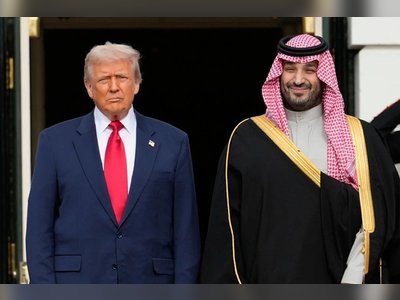
The emerging framework, developed during high-level discussions between U.S. President Donald Trump and Saudi Crown Prince Mohammed bin Salman, aims to establish a long-term nuclear energy partnership that would enable American companies to participate in the kingdom’s ambitious nuclear power program.
The initiative is part of a broader strategic effort to strengthen economic and technological ties between Washington and Riyadh while reinforcing cooperation in a region facing significant security challenges.
Under the arrangement under discussion, the United States may not require Saudi Arabia to adopt the International Atomic Energy Agency’s Additional Protocol, a monitoring system that allows inspectors expanded access to nuclear facilities and information.
Instead, the agreement is expected to rely on a separate bilateral safeguards structure involving oversight measures focused on areas of direct U.S.–Saudi cooperation.
Such a move would mark a departure from the “gold standard” approach often used in American nuclear cooperation agreements, which typically restrict partner countries from enriching uranium or reprocessing nuclear material that could potentially be used in weapons programs.
In the Saudi case, negotiators have explored arrangements that could permit some level of domestic uranium enrichment under internationally supervised safeguards.
Supporters of the initiative argue that the agreement would anchor Saudi Arabia’s civil nuclear development within a U.S.-led technological and regulatory framework, strengthening oversight and reinforcing Washington’s influence in a strategically important region.
Officials involved in the negotiations have described the partnership as laying the foundation for a multi-billion-dollar nuclear energy collaboration spanning decades.
Advocates also emphasize that closer cooperation with Riyadh could help the United States expand its nuclear energy industry and secure access to critical uranium resources, while ensuring that the kingdom’s emerging nuclear program remains connected to international safety and monitoring mechanisms.
Some analysts have cautioned that allowing enrichment capabilities could raise broader questions about the global nonproliferation regime.
Uranium enrichment is a key step in producing nuclear fuel for reactors, but the same technology can also be adapted to produce material suitable for nuclear weapons if not properly controlled.
Saudi Arabia has expressed strong interest in developing a full civilian nuclear energy sector to diversify its economy and reduce reliance on oil exports.
The kingdom’s leadership has emphasized that nuclear power would play an important role in meeting rising domestic energy demand and supporting long-term economic modernization plans.
Any formal U.S.–Saudi nuclear cooperation agreement would ultimately be submitted to the U.S. Congress for review under the Atomic Energy Act, giving lawmakers the opportunity to examine the safeguards and conditions attached to the arrangement before it takes effect.
The proposed partnership illustrates the evolving strategic relationship between Washington and Riyadh, with both governments seeking to deepen technological cooperation while addressing complex security considerations in the Middle East.
The emerging framework, developed during high-level discussions between U.S. President Donald Trump and Saudi Crown Prince Mohammed bin Salman, aims to establish a long-term nuclear energy partnership that would enable American companies to participate in the kingdom’s ambitious nuclear power program.
The initiative is part of a broader strategic effort to strengthen economic and technological ties between Washington and Riyadh while reinforcing cooperation in a region facing significant security challenges.
Under the arrangement under discussion, the United States may not require Saudi Arabia to adopt the International Atomic Energy Agency’s Additional Protocol, a monitoring system that allows inspectors expanded access to nuclear facilities and information.
Instead, the agreement is expected to rely on a separate bilateral safeguards structure involving oversight measures focused on areas of direct U.S.–Saudi cooperation.
Such a move would mark a departure from the “gold standard” approach often used in American nuclear cooperation agreements, which typically restrict partner countries from enriching uranium or reprocessing nuclear material that could potentially be used in weapons programs.
In the Saudi case, negotiators have explored arrangements that could permit some level of domestic uranium enrichment under internationally supervised safeguards.
Supporters of the initiative argue that the agreement would anchor Saudi Arabia’s civil nuclear development within a U.S.-led technological and regulatory framework, strengthening oversight and reinforcing Washington’s influence in a strategically important region.
Officials involved in the negotiations have described the partnership as laying the foundation for a multi-billion-dollar nuclear energy collaboration spanning decades.
Advocates also emphasize that closer cooperation with Riyadh could help the United States expand its nuclear energy industry and secure access to critical uranium resources, while ensuring that the kingdom’s emerging nuclear program remains connected to international safety and monitoring mechanisms.
Some analysts have cautioned that allowing enrichment capabilities could raise broader questions about the global nonproliferation regime.
Uranium enrichment is a key step in producing nuclear fuel for reactors, but the same technology can also be adapted to produce material suitable for nuclear weapons if not properly controlled.
Saudi Arabia has expressed strong interest in developing a full civilian nuclear energy sector to diversify its economy and reduce reliance on oil exports.
The kingdom’s leadership has emphasized that nuclear power would play an important role in meeting rising domestic energy demand and supporting long-term economic modernization plans.
Any formal U.S.–Saudi nuclear cooperation agreement would ultimately be submitted to the U.S. Congress for review under the Atomic Energy Act, giving lawmakers the opportunity to examine the safeguards and conditions attached to the arrangement before it takes effect.
The proposed partnership illustrates the evolving strategic relationship between Washington and Riyadh, with both governments seeking to deepen technological cooperation while addressing complex security considerations in the Middle East.