0:00
0:00
Iranian Strikes Escalate Middle East Conflict, Drawing Saudi Arabia Closer to Wider War
After Iran’s ballistic and drone attacks on Gulf states including Saudi Arabia, Riyadh warns of retaliation amid intensifying Iran–US–Israel hostilities
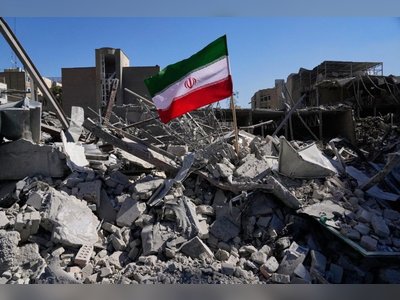
Iran’s recent ballistic missile and drone campaign targeting multiple Gulf states, including Saudi Arabia, has sharply escalated an already volatile conflict that began with coordinated United States and Israeli strikes on Iranian territory late last month.
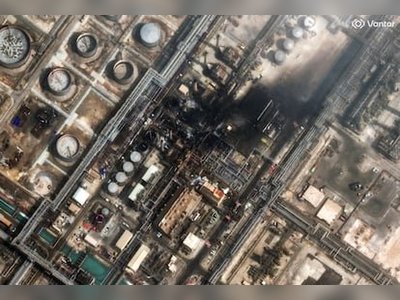
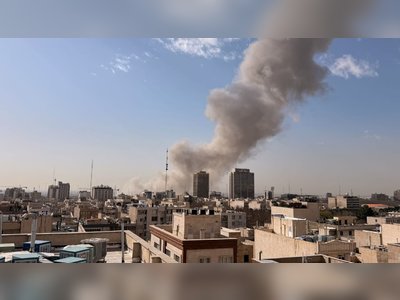
Tehran’s attacks have struck military facilities, regional infrastructure and, according to Gulf authorities, attempted strikes on Saudi territory, prompting Riyadh to condemn the actions as violations of national sovereignty and reserve the right to defend itself and its neighbours.
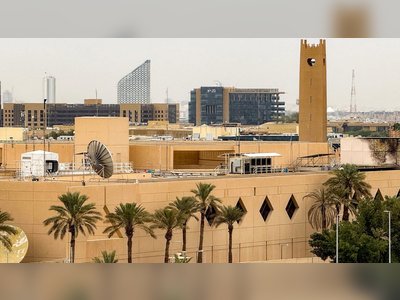
On February twenty-eight, Iranian forces launched missiles and drones at sites across the Gulf, including Saudi Arabia’s capital Riyadh and the Eastern Province, as well as targets in the United Arab Emirates, Qatar, Bahrain, Kuwait and Jordan.
Gulf air-defence systems intercepted many of the incoming projectiles, and Saudi authorities reported that they repelled assaults on Riyadh and the oil-rich Eastern region while sustaining no reported casualties.
Saudi Arabia’s Foreign Ministry described the strikes as “blatant” and “cowardly” aggression and affirmed its intention to take all necessary measures, including retaliatory options, to protect its territory and people.
Gulf Cooperation Council partners similarly condemned the attacks and stressed their right to respond in accordance with international law.
The strikes followed a major United States–Israel military operation against Iranian command centres and strategic sites, which both Washington and Tel Aviv framed as efforts to deter Tehran’s missile and nuclear capabilities.
In response, Iran expanded its response beyond direct exchanges with Israel, targeting U.S. military bases and regional states that host allied forces.
Saudi Arabia and its Gulf partners have navigated a complex diplomatic landscape: while avoiding direct combat engagement against Iran, they have sought to leverage unity within the Gulf Cooperation Council and international support to deter further aggression.
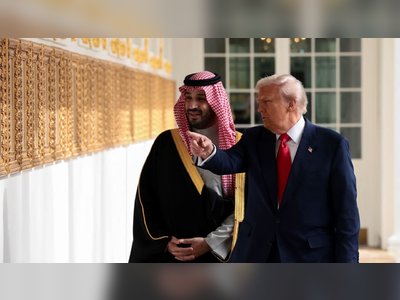
As the conflict has widened, the United States has closed diplomatic missions in Riyadh, Kuwait City and other locations after reported attacks on U.S. embassies, and President Donald Trump has pledged forthcoming responses to these developments.
Regional leaders have warned that continued Iranian military actions risk drawing Gulf states deeper into hostilities, with Riyadh in particular stressing its commitment to defend sovereignty and territorial integrity.
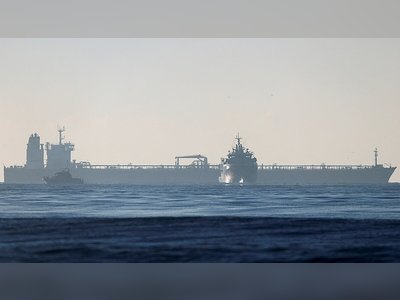
With energy infrastructure, shipping routes and regional security at stake, the crisis now tests the balance between restraint and escalation in a theatre where broader geopolitical interests converge.
Tehran’s attacks have struck military facilities, regional infrastructure and, according to Gulf authorities, attempted strikes on Saudi territory, prompting Riyadh to condemn the actions as violations of national sovereignty and reserve the right to defend itself and its neighbours.
On February twenty-eight, Iranian forces launched missiles and drones at sites across the Gulf, including Saudi Arabia’s capital Riyadh and the Eastern Province, as well as targets in the United Arab Emirates, Qatar, Bahrain, Kuwait and Jordan.
Gulf air-defence systems intercepted many of the incoming projectiles, and Saudi authorities reported that they repelled assaults on Riyadh and the oil-rich Eastern region while sustaining no reported casualties.
Saudi Arabia’s Foreign Ministry described the strikes as “blatant” and “cowardly” aggression and affirmed its intention to take all necessary measures, including retaliatory options, to protect its territory and people.
Gulf Cooperation Council partners similarly condemned the attacks and stressed their right to respond in accordance with international law.
The strikes followed a major United States–Israel military operation against Iranian command centres and strategic sites, which both Washington and Tel Aviv framed as efforts to deter Tehran’s missile and nuclear capabilities.
In response, Iran expanded its response beyond direct exchanges with Israel, targeting U.S. military bases and regional states that host allied forces.
Saudi Arabia and its Gulf partners have navigated a complex diplomatic landscape: while avoiding direct combat engagement against Iran, they have sought to leverage unity within the Gulf Cooperation Council and international support to deter further aggression.
As the conflict has widened, the United States has closed diplomatic missions in Riyadh, Kuwait City and other locations after reported attacks on U.S. embassies, and President Donald Trump has pledged forthcoming responses to these developments.
Regional leaders have warned that continued Iranian military actions risk drawing Gulf states deeper into hostilities, with Riyadh in particular stressing its commitment to defend sovereignty and territorial integrity.
With energy infrastructure, shipping routes and regional security at stake, the crisis now tests the balance between restraint and escalation in a theatre where broader geopolitical interests converge.