
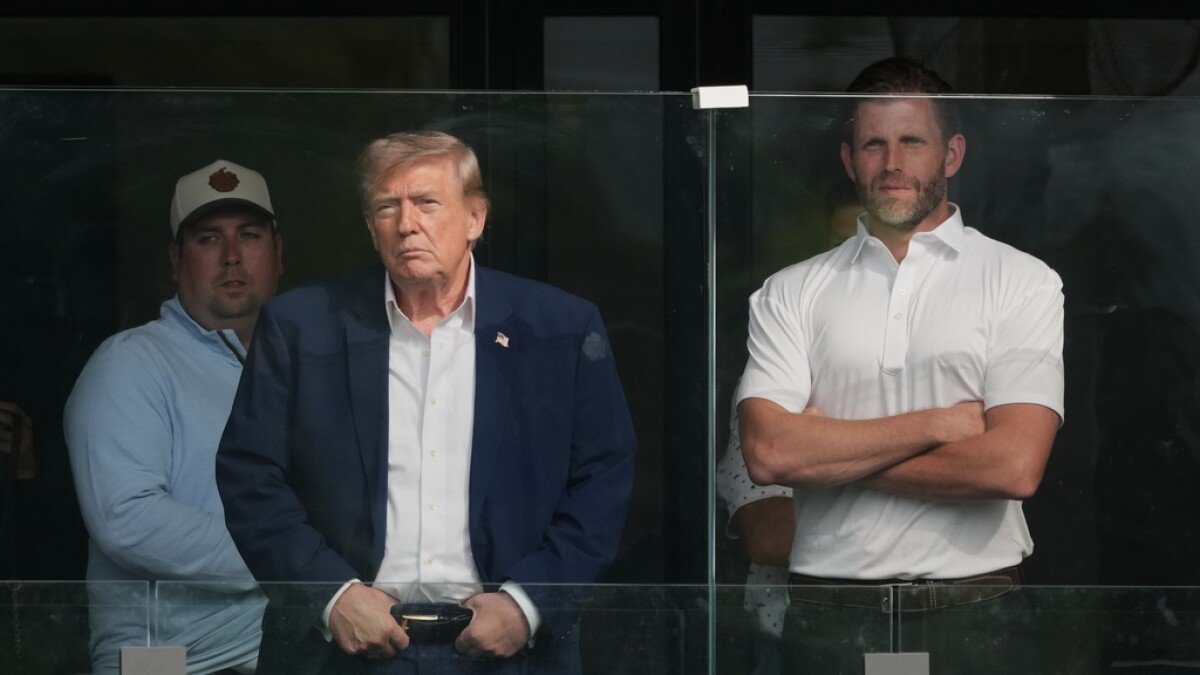
Trump’s LIV Golf Involvement Reignites Conflict of Interest Debate
Presidential-level ties to Saudi-backed LIV Golf raise renewed questions over business entanglements and political ethics during international sports expansion
ACTOR-DRIVEN scrutiny over former U.S. President Donald Trump’s involvement with LIV Golf has intensified again as his role as a host at Trump-owned golf properties intersects with ongoing concerns about conflicts of interest tied to foreign-backed sporting ventures.
What is confirmed is that LIV Golf, a professional golf tour funded by Saudi Arabia’s Public Investment Fund, has staged events at multiple Trump-owned golf courses in the United States and abroad.
These venues have been used to host high-profile tournaments featuring international players and large-scale commercial sponsorships, embedding Trump’s golf business directly into a competition financed by a foreign sovereign wealth fund.
The renewed scrutiny centers on the overlap between Trump’s political profile and his continued private business interests.
As a former president and current political figure, his properties’ role in hosting LIV Golf events has drawn attention from ethics analysts and political observers who question whether such arrangements create the appearance of preferential access or influence tied to foreign state-linked investment.
LIV Golf itself has been a disruptive force in professional golf, positioning itself as an alternative to established tours and attracting players through lucrative contracts funded by Saudi Arabia’s sovereign wealth.
Its emergence has triggered legal disputes, regulatory scrutiny, and broader debates about sportswashing — the use of high-profile sporting events to improve the international image of governments with contentious human rights records.
Trump’s golf courses have become part of that broader ecosystem, hosting LIV events that combine elite sport, commercial branding, and geopolitical investment.
This convergence has amplified questions about how political figures with active business portfolios navigate engagements involving foreign state capital, particularly when those figures remain influential in domestic politics.
The issue is not limited to LIV Golf itself but extends to the broader structure of Trump Organization holdings, which continue to operate properties tied to hospitality, real estate, and leisure industries.
These assets have long been subject to scrutiny over whether their use during and after Trump’s presidency could create perceived or actual conflicts between private financial gain and public office.
Critics argue that hosting foreign-funded sporting events at properties owned by a politically active figure creates an unavoidable overlap between business revenue and geopolitical relationships.
Supporters counter that Trump has stepped back from direct operational control of his business empire and that the events are commercial arrangements similar to other professional sports venue contracts.
The controversy underscores a recurring challenge in modern political economies: the blurred boundary between global capital flows, private business ownership, and public office.
With LIV Golf continuing to expand its international footprint, and Trump remaining a central figure in U.S. politics, the intersection between sport, finance, and political influence is likely to remain under sustained examination.
The immediate consequence is continued public and regulatory attention on how foreign-backed sports ventures operate within domestic jurisdictions, particularly when they intersect with politically prominent private business owners.
What is confirmed is that LIV Golf, a professional golf tour funded by Saudi Arabia’s Public Investment Fund, has staged events at multiple Trump-owned golf courses in the United States and abroad.
These venues have been used to host high-profile tournaments featuring international players and large-scale commercial sponsorships, embedding Trump’s golf business directly into a competition financed by a foreign sovereign wealth fund.
The renewed scrutiny centers on the overlap between Trump’s political profile and his continued private business interests.
As a former president and current political figure, his properties’ role in hosting LIV Golf events has drawn attention from ethics analysts and political observers who question whether such arrangements create the appearance of preferential access or influence tied to foreign state-linked investment.
LIV Golf itself has been a disruptive force in professional golf, positioning itself as an alternative to established tours and attracting players through lucrative contracts funded by Saudi Arabia’s sovereign wealth.
Its emergence has triggered legal disputes, regulatory scrutiny, and broader debates about sportswashing — the use of high-profile sporting events to improve the international image of governments with contentious human rights records.
Trump’s golf courses have become part of that broader ecosystem, hosting LIV events that combine elite sport, commercial branding, and geopolitical investment.
This convergence has amplified questions about how political figures with active business portfolios navigate engagements involving foreign state capital, particularly when those figures remain influential in domestic politics.
The issue is not limited to LIV Golf itself but extends to the broader structure of Trump Organization holdings, which continue to operate properties tied to hospitality, real estate, and leisure industries.
These assets have long been subject to scrutiny over whether their use during and after Trump’s presidency could create perceived or actual conflicts between private financial gain and public office.
Critics argue that hosting foreign-funded sporting events at properties owned by a politically active figure creates an unavoidable overlap between business revenue and geopolitical relationships.
Supporters counter that Trump has stepped back from direct operational control of his business empire and that the events are commercial arrangements similar to other professional sports venue contracts.
The controversy underscores a recurring challenge in modern political economies: the blurred boundary between global capital flows, private business ownership, and public office.
With LIV Golf continuing to expand its international footprint, and Trump remaining a central figure in U.S. politics, the intersection between sport, finance, and political influence is likely to remain under sustained examination.
The immediate consequence is continued public and regulatory attention on how foreign-backed sports ventures operate within domestic jurisdictions, particularly when they intersect with politically prominent private business owners.