Saudi Arabia Reaffirms Security Backing for Bahrain Amid Regional Stability Concerns
Riyadh signals continued alignment with Manama on internal security policy as Gulf states coordinate responses to regional and domestic threats
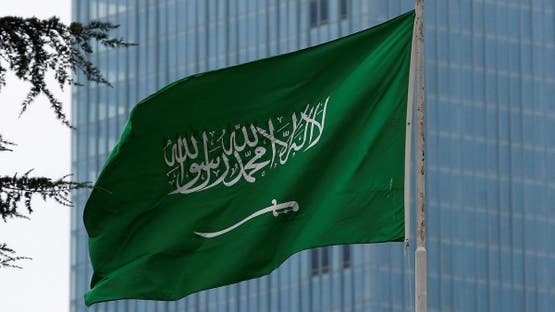
The reaffirmation of Saudi Arabia’s support for Bahrain’s security measures reflects a system-driven model of Gulf political coordination, in which member states of the Gulf Cooperation Council align closely on internal stability, external threats, and regime security priorities.
The statement underscores the longstanding security interdependence between Riyadh and Manama, where Saudi Arabia functions as Bahrain’s principal strategic guarantor under formal and informal defense arrangements.
What is confirmed is that Saudi Arabia has publicly expressed support for Bahrain’s internal security actions and policy decisions.
Such statements typically signal political endorsement of domestic measures taken by allied Gulf governments, particularly in contexts involving perceived security risks, political unrest, or external destabilization pressures.
The exact measures being referenced have not been detailed in operational terms in the available framing, but the diplomatic message itself is clear: alignment and backing remain firm.
Bahrain occupies a strategically sensitive position in the Gulf due to its geographic proximity to Iran and its domestic political composition, which has historically experienced episodes of unrest and heightened security enforcement.
Saudi Arabia has previously played a direct stabilizing role in Bahrain, most notably during periods of internal tension when Gulf security forces were deployed in a coordinated capacity under regional defense frameworks.
This latest expression of support fits into a broader pattern of Gulf Cooperation Council solidarity, particularly on security governance.
The GCC operates not only as an economic bloc but also as a coordinated security architecture, where member states routinely exchange intelligence, align policing strategies, and support one another’s internal stabilization efforts.
This structure is designed to reduce vulnerability to both state and non-state threats across the Arabian Peninsula.
The timing of reaffirmed support also reflects ongoing regional sensitivity.
Gulf states continue to manage complex risk environments shaped by Iran–Gulf tensions, maritime security concerns in surrounding waters, and periodic internal political challenges.
Even in relatively stable periods, public declarations of solidarity serve as deterrent messaging, signaling unified responses to potential destabilization attempts.
At a practical level, Saudi Arabia’s endorsement reinforces Bahrain’s domestic security posture by signaling external political backing for internal enforcement measures.
This reduces diplomatic exposure for Manama when implementing stricter security policies and strengthens deterrence against external political pressure or escalation attempts.
The implications extend beyond bilateral relations.
Within the Gulf system, such statements help maintain cohesion among smaller monarchies that rely on Saudi Arabia’s military and economic weight.
They also reinforce the broader principle that internal security decisions within GCC states are not isolated domestic matters but are embedded in a shared regional security framework.
As a result, the reaffirmation is less a discrete policy shift and more a continuation of established regional doctrine: security alignment, political solidarity, and coordinated stabilization remain central pillars of Gulf statecraft, particularly in periods of regional uncertainty.
The statement underscores the longstanding security interdependence between Riyadh and Manama, where Saudi Arabia functions as Bahrain’s principal strategic guarantor under formal and informal defense arrangements.
What is confirmed is that Saudi Arabia has publicly expressed support for Bahrain’s internal security actions and policy decisions.
Such statements typically signal political endorsement of domestic measures taken by allied Gulf governments, particularly in contexts involving perceived security risks, political unrest, or external destabilization pressures.
The exact measures being referenced have not been detailed in operational terms in the available framing, but the diplomatic message itself is clear: alignment and backing remain firm.
Bahrain occupies a strategically sensitive position in the Gulf due to its geographic proximity to Iran and its domestic political composition, which has historically experienced episodes of unrest and heightened security enforcement.
Saudi Arabia has previously played a direct stabilizing role in Bahrain, most notably during periods of internal tension when Gulf security forces were deployed in a coordinated capacity under regional defense frameworks.
This latest expression of support fits into a broader pattern of Gulf Cooperation Council solidarity, particularly on security governance.
The GCC operates not only as an economic bloc but also as a coordinated security architecture, where member states routinely exchange intelligence, align policing strategies, and support one another’s internal stabilization efforts.
This structure is designed to reduce vulnerability to both state and non-state threats across the Arabian Peninsula.
The timing of reaffirmed support also reflects ongoing regional sensitivity.
Gulf states continue to manage complex risk environments shaped by Iran–Gulf tensions, maritime security concerns in surrounding waters, and periodic internal political challenges.
Even in relatively stable periods, public declarations of solidarity serve as deterrent messaging, signaling unified responses to potential destabilization attempts.
At a practical level, Saudi Arabia’s endorsement reinforces Bahrain’s domestic security posture by signaling external political backing for internal enforcement measures.
This reduces diplomatic exposure for Manama when implementing stricter security policies and strengthens deterrence against external political pressure or escalation attempts.
The implications extend beyond bilateral relations.
Within the Gulf system, such statements help maintain cohesion among smaller monarchies that rely on Saudi Arabia’s military and economic weight.
They also reinforce the broader principle that internal security decisions within GCC states are not isolated domestic matters but are embedded in a shared regional security framework.
As a result, the reaffirmation is less a discrete policy shift and more a continuation of established regional doctrine: security alignment, political solidarity, and coordinated stabilization remain central pillars of Gulf statecraft, particularly in periods of regional uncertainty.