UAE Exit From OPEC Claims Signal Oil Alliance Rift, But No Verified Withdrawal Confirmed
Reports of the UAE leaving OPEC after decades highlight deep tensions over production policy, but no official confirmation supports a formal exit
Claims that the United Arab Emirates has exited the Organization of the Petroleum Exporting Countries after 59 years have circulated widely, but no verified confirmation from OPEC, the UAE government, or major energy regulators supports the assertion of a formal withdrawal.
What is confirmed is that tensions within OPEC+ have periodically surfaced in recent years over production quotas, output targets, and national economic strategies.
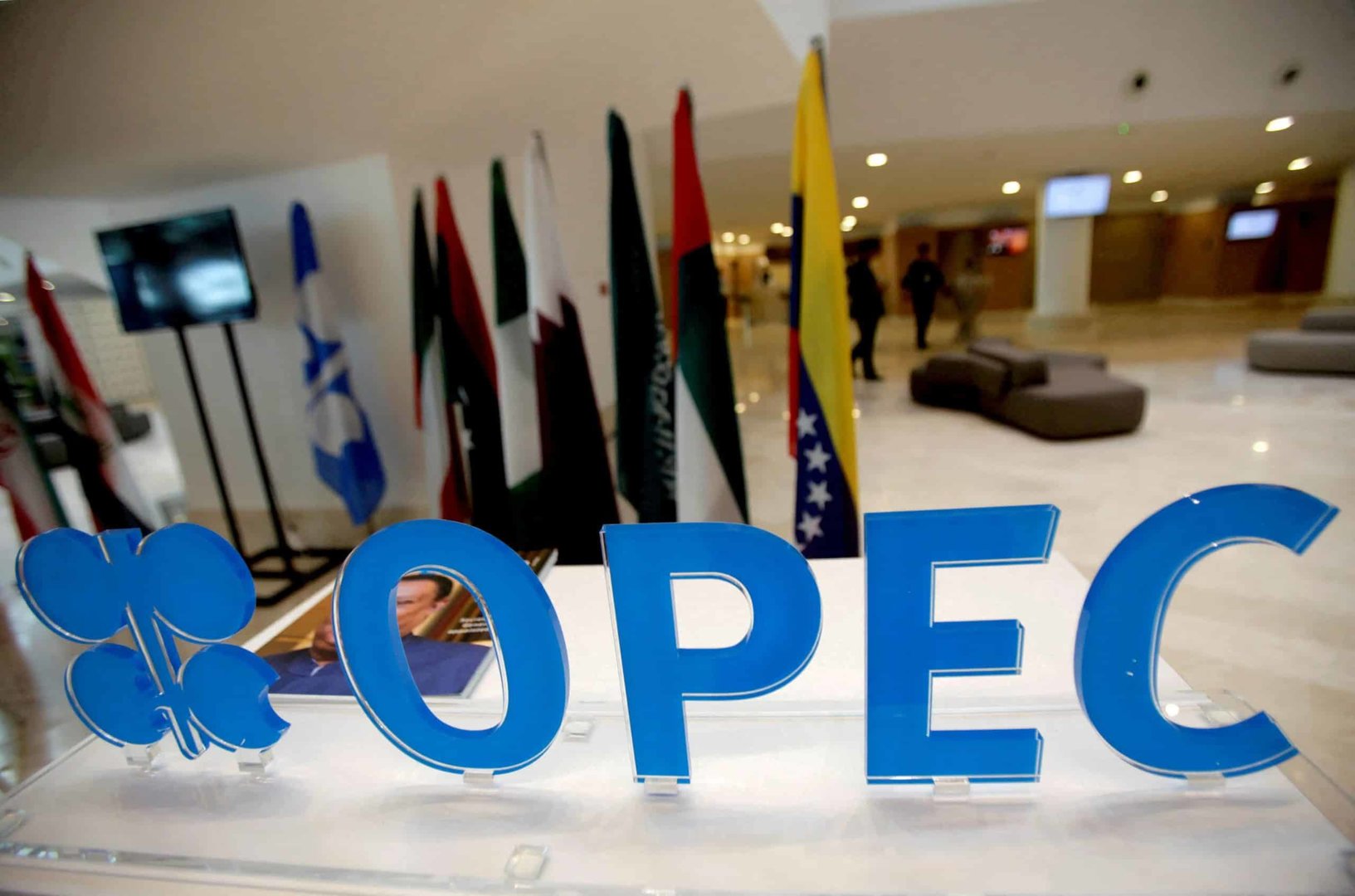
The Organization of the Petroleum Exporting Countries, commonly known as OPEC, is a coalition of major oil-producing states that coordinates output policy to influence global crude prices.
The UAE has been a member since the 1960s and remains one of the group’s key producers, alongside Saudi Arabia, Iraq, and others.
The key issue underlying speculation about a UAE exit is long-running friction within OPEC+ over production quotas.
The UAE has repeatedly argued that its assigned baseline production limits do not reflect its expanded upstream capacity, especially following investment in its oil infrastructure.
This has led to periodic negotiations with Saudi Arabia, which remains the dominant influence within the group and often acts as de facto coordinator of production strategy.
However, despite these disputes, no formal mechanism or announcement has been made indicating a withdrawal by the UAE from OPEC.
Membership in the organization is governed by formal state-level agreements, and exits are typically accompanied by official government statements and coordinated notifications to member states and energy markets.
None of these have been confirmed in relation to the UAE.
The broader context is the fragile balance within OPEC+ as it attempts to manage global oil prices amid shifting demand, geopolitical disruptions, and the energy transition.
Producer states frequently face competing priorities: maximizing revenue in the short term while maintaining long-term market stability.
These tensions often manifest as disagreements over production quotas rather than structural breaks in membership.
Saudi Arabia and the UAE also share broader strategic and economic ties, including security cooperation and regional investment partnerships, making a sudden institutional rupture highly consequential.
Analysts of global energy markets typically view OPEC cohesion as central to price stability, meaning any confirmed withdrawal by a major producer would have immediate effects on crude pricing, futures markets, and supply expectations.
At present, market participants continue to operate under the assumption that the UAE remains within OPEC and OPEC+.
Any claims of exit are unverified and conflict with established institutional records and ongoing coordination mechanisms that continue to include the UAE in production planning discussions.
The situation instead reflects continuing negotiation pressure within the alliance rather than a formal break.
Production disagreements are likely to persist as member states adjust policy to domestic economic needs and global energy demand shifts, but the structural framework of OPEC remains intact with no confirmed departure by the UAE.
What is confirmed is that tensions within OPEC+ have periodically surfaced in recent years over production quotas, output targets, and national economic strategies.
The Organization of the Petroleum Exporting Countries, commonly known as OPEC, is a coalition of major oil-producing states that coordinates output policy to influence global crude prices.
The UAE has been a member since the 1960s and remains one of the group’s key producers, alongside Saudi Arabia, Iraq, and others.
The key issue underlying speculation about a UAE exit is long-running friction within OPEC+ over production quotas.
The UAE has repeatedly argued that its assigned baseline production limits do not reflect its expanded upstream capacity, especially following investment in its oil infrastructure.
This has led to periodic negotiations with Saudi Arabia, which remains the dominant influence within the group and often acts as de facto coordinator of production strategy.
However, despite these disputes, no formal mechanism or announcement has been made indicating a withdrawal by the UAE from OPEC.
Membership in the organization is governed by formal state-level agreements, and exits are typically accompanied by official government statements and coordinated notifications to member states and energy markets.
None of these have been confirmed in relation to the UAE.
The broader context is the fragile balance within OPEC+ as it attempts to manage global oil prices amid shifting demand, geopolitical disruptions, and the energy transition.
Producer states frequently face competing priorities: maximizing revenue in the short term while maintaining long-term market stability.
These tensions often manifest as disagreements over production quotas rather than structural breaks in membership.
Saudi Arabia and the UAE also share broader strategic and economic ties, including security cooperation and regional investment partnerships, making a sudden institutional rupture highly consequential.
Analysts of global energy markets typically view OPEC cohesion as central to price stability, meaning any confirmed withdrawal by a major producer would have immediate effects on crude pricing, futures markets, and supply expectations.
At present, market participants continue to operate under the assumption that the UAE remains within OPEC and OPEC+.
Any claims of exit are unverified and conflict with established institutional records and ongoing coordination mechanisms that continue to include the UAE in production planning discussions.
The situation instead reflects continuing negotiation pressure within the alliance rather than a formal break.
Production disagreements are likely to persist as member states adjust policy to domestic economic needs and global energy demand shifts, but the structural framework of OPEC remains intact with no confirmed departure by the UAE.