The Hidden Cost of Gulf Dependence on U.S. Power
How Saudi Arabia, the UAE, Qatar, and their neighbors balance security reliance, oil wealth, and rising geopolitical friction with Washington
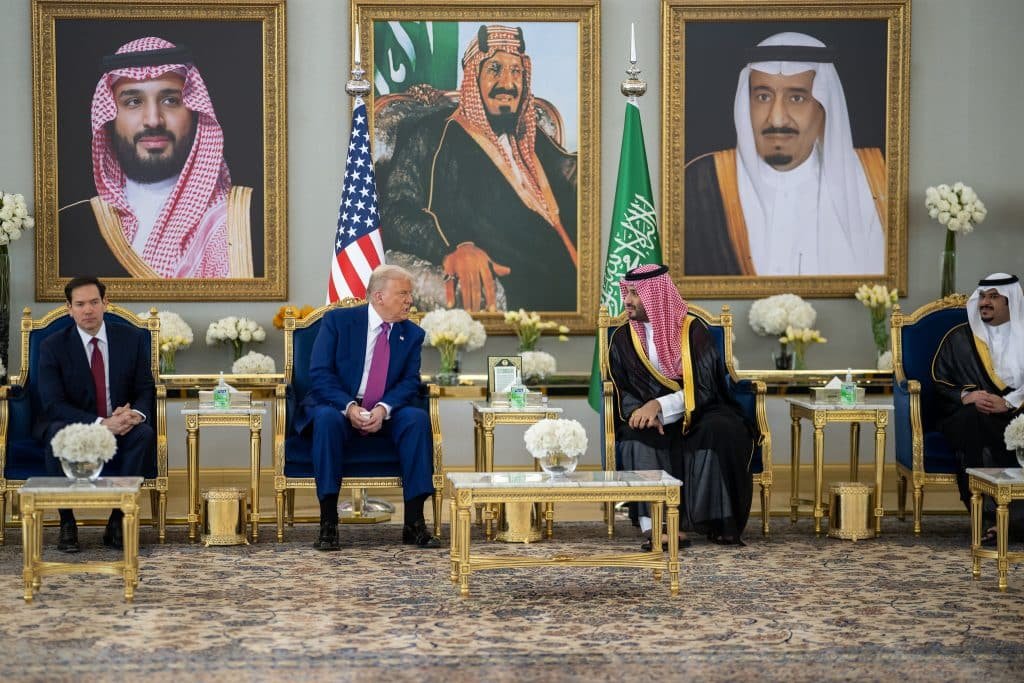
The strategic relationship between the United States and Gulf monarchies is best understood as a security-for-access system: Washington provides military protection and global diplomatic backing, while Gulf states—Saudi Arabia, the United Arab Emirates, Qatar, Kuwait, Bahrain, and Oman—anchor global energy markets and recycle vast hydrocarbon revenues into Western financial, defense, and technology sectors.
This structure has defined regional order for decades, but it is increasingly strained by diverging interests over oil production, regional wars, and the Gulf states’ expanding geopolitical autonomy.
At the core of the system is security dependency.
Gulf monarchies host U.S. military bases and rely on American air defense systems, intelligence networks, and naval protection to deter regional threats, particularly from Iran and non-state armed groups.
In return, they have been treated as central energy partners whose production decisions directly affect global inflation and economic stability.
This arrangement has allowed Gulf states to maintain regime security while accumulating some of the world’s largest sovereign wealth pools, now estimated in the trillions of dollars collectively.
However, the assumption of stable alignment is under pressure.
Recent developments show Gulf states increasingly pursuing independent strategic paths rather than acting as passive security clients.
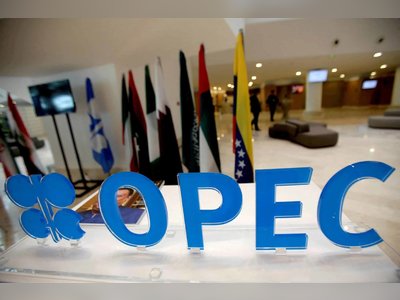
The United Arab Emirates’ decision to exit OPEC and expand production autonomy reflects a broader effort to maximize oil revenue and reduce constraints imposed by Saudi-led production coordination.
It also signals a willingness to prioritize national economic strategy over collective energy discipline, a shift that weakens traditional Gulf unity.
At the same time, the United States has leaned further into transactional diplomacy with Gulf governments, tying security guarantees more explicitly to large-scale investment deals, defense purchases, and technology partnerships.
Over the past several years, agreements spanning hundreds of billions to over a trillion dollars have been announced across energy, aviation, artificial intelligence, and arms procurement.
These arrangements deepen interdependence but also reinforce perceptions that Gulf security commitments can be conditional or politically negotiated rather than absolute.
This evolving model creates tension on multiple levels.
First, Gulf states remain dependent on U.S. deterrence against Iran, particularly as missile and drone threats increasingly target energy infrastructure and shipping routes.
Second, they are simultaneously diversifying relationships with China and other major powers to reduce exposure to Western political leverage.
Third, intra-Gulf competition—particularly between Saudi Arabia and the UAE—has intensified as both seek leadership in energy transition, logistics hubs, and sovereign wealth influence.
The result is a more fragmented Gulf strategy rather than a unified bloc.
While all states continue to rely on U.S. military protection in practice, their economic and diplomatic behavior increasingly reflects hedging rather than alignment.
This includes independent oil production strategies, parallel investment partnerships, and selective cooperation with rival global powers without fully abandoning the American security umbrella.
The price of American patronage, therefore, is not withdrawal but constraint.
Gulf monarchies gain security guarantees and access to advanced weapons systems, but in return they operate within a system shaped by U.S. strategic priorities, including sanctions regimes, regional conflict management, and energy market stabilization goals.
When these priorities diverge, friction emerges—most visibly in disputes over oil output policy and responses to regional conflict escalation.
Despite growing tension, no viable alternative security provider exists at comparable scale.
China offers economic partnership but limited military protection.
Russia provides political alignment but lacks regional capacity.
This leaves the United States as the default guarantor of Gulf stability, even as Gulf states increasingly test the boundaries of that dependency through diversification and assertive economic policy.
The system is therefore not collapsing but evolving into a more transactional and less predictable form.
Gulf monarchies are no longer simply recipients of American protection; they are active negotiators shaping the terms of that protection through investment, energy policy, and strategic balancing between global powers.
The outcome is a tighter but more fragile interdependence, where stability depends less on alignment and more on continuous renegotiation of mutual advantage.
This structure has defined regional order for decades, but it is increasingly strained by diverging interests over oil production, regional wars, and the Gulf states’ expanding geopolitical autonomy.
At the core of the system is security dependency.
Gulf monarchies host U.S. military bases and rely on American air defense systems, intelligence networks, and naval protection to deter regional threats, particularly from Iran and non-state armed groups.
In return, they have been treated as central energy partners whose production decisions directly affect global inflation and economic stability.
This arrangement has allowed Gulf states to maintain regime security while accumulating some of the world’s largest sovereign wealth pools, now estimated in the trillions of dollars collectively.
However, the assumption of stable alignment is under pressure.
Recent developments show Gulf states increasingly pursuing independent strategic paths rather than acting as passive security clients.
The United Arab Emirates’ decision to exit OPEC and expand production autonomy reflects a broader effort to maximize oil revenue and reduce constraints imposed by Saudi-led production coordination.
It also signals a willingness to prioritize national economic strategy over collective energy discipline, a shift that weakens traditional Gulf unity.
At the same time, the United States has leaned further into transactional diplomacy with Gulf governments, tying security guarantees more explicitly to large-scale investment deals, defense purchases, and technology partnerships.
Over the past several years, agreements spanning hundreds of billions to over a trillion dollars have been announced across energy, aviation, artificial intelligence, and arms procurement.
These arrangements deepen interdependence but also reinforce perceptions that Gulf security commitments can be conditional or politically negotiated rather than absolute.
This evolving model creates tension on multiple levels.
First, Gulf states remain dependent on U.S. deterrence against Iran, particularly as missile and drone threats increasingly target energy infrastructure and shipping routes.
Second, they are simultaneously diversifying relationships with China and other major powers to reduce exposure to Western political leverage.
Third, intra-Gulf competition—particularly between Saudi Arabia and the UAE—has intensified as both seek leadership in energy transition, logistics hubs, and sovereign wealth influence.
The result is a more fragmented Gulf strategy rather than a unified bloc.
While all states continue to rely on U.S. military protection in practice, their economic and diplomatic behavior increasingly reflects hedging rather than alignment.
This includes independent oil production strategies, parallel investment partnerships, and selective cooperation with rival global powers without fully abandoning the American security umbrella.
The price of American patronage, therefore, is not withdrawal but constraint.
Gulf monarchies gain security guarantees and access to advanced weapons systems, but in return they operate within a system shaped by U.S. strategic priorities, including sanctions regimes, regional conflict management, and energy market stabilization goals.
When these priorities diverge, friction emerges—most visibly in disputes over oil output policy and responses to regional conflict escalation.
Despite growing tension, no viable alternative security provider exists at comparable scale.
China offers economic partnership but limited military protection.
Russia provides political alignment but lacks regional capacity.
This leaves the United States as the default guarantor of Gulf stability, even as Gulf states increasingly test the boundaries of that dependency through diversification and assertive economic policy.
The system is therefore not collapsing but evolving into a more transactional and less predictable form.
Gulf monarchies are no longer simply recipients of American protection; they are active negotiators shaping the terms of that protection through investment, energy policy, and strategic balancing between global powers.
The outcome is a tighter but more fragile interdependence, where stability depends less on alignment and more on continuous renegotiation of mutual advantage.