Turkey and Saudi Arabia Turn to ‘Mobility Diplomacy’ to Cement Strategic Rapprochement
Visa easing, travel facilitation, and workforce flows are becoming central tools in a broader political and economic realignment between Ankara and Riyadh
Turkey and Saudi Arabia are advancing a system-level diplomatic shift in which mobility policy—covering visas, travel access, labour movement, and tourism flows—is being used as a core instrument of bilateral rapprochement.
This approach reflects a broader normalization process between the two regional powers after years of political tension and economic disengagement.
What is confirmed is that both governments have in recent years moved to restore diplomatic and economic ties that deteriorated sharply in the late 2010s.
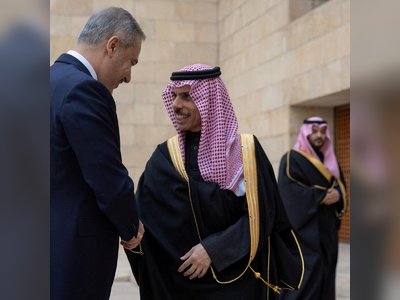
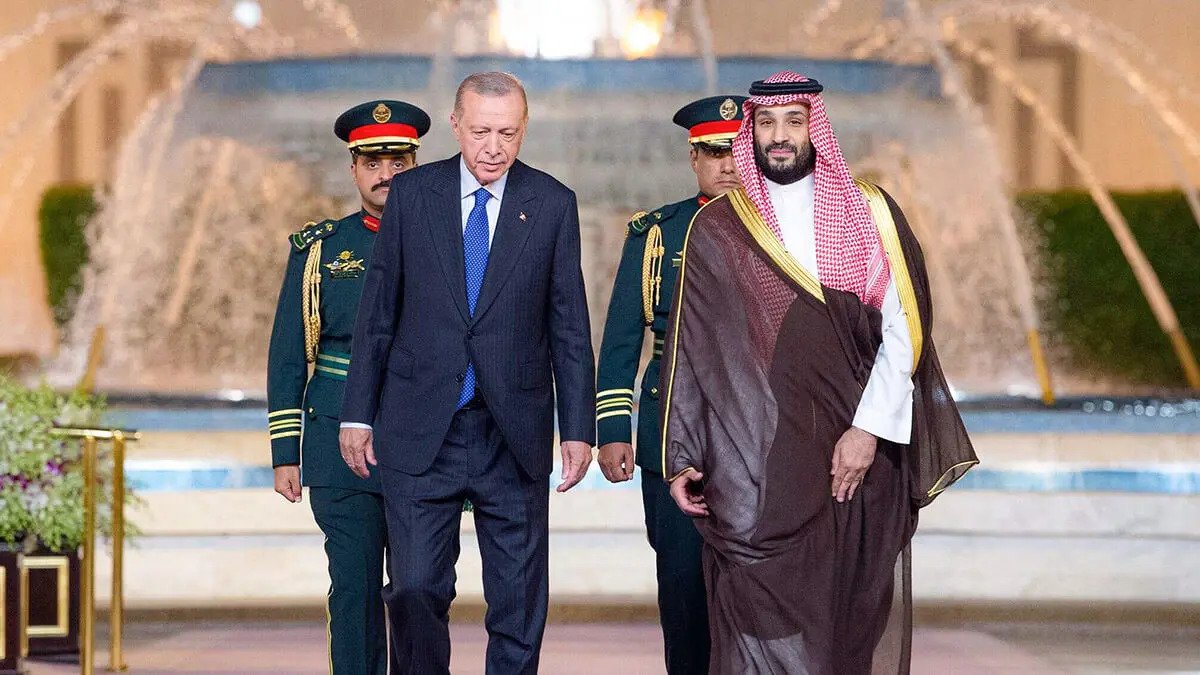
The rapprochement gained momentum following high-level visits and the resumption of direct political dialogue, leading to renewed cooperation in trade, investment, tourism, and defence-related commerce.
Mobility policy has emerged as one of the most visible and practical areas of progress.
The mechanism behind so-called “mobility diplomacy” is straightforward but strategically significant.
By easing travel restrictions, simplifying visa procedures, and facilitating cross-border movement for tourists, businesspeople, and workers, both states aim to increase people-to-people contact and economic interdependence.
This reduces friction in bilateral relations while generating immediate economic benefits, particularly in tourism revenues and private sector exchange.
Saudi Arabia’s broader economic transformation under its Vision 2030 agenda is a key structural driver of this policy shift.
The kingdom is actively seeking to expand its tourism sector, attract foreign professionals, and diversify its labour market beyond traditional oil-related employment structures.
Turkey, meanwhile, is looking to expand exports, attract investment, and stabilize foreign currency inflows through increased regional trade and tourism.
Recent developments include steps toward easing visa processes for business and tourist travel, alongside discussions on improving regulatory alignment for investment and labour mobility.
While full visa-free travel has not been established, incremental facilitation measures signal a gradual reduction in bureaucratic barriers that previously limited movement between the two countries.
The strategic stakes extend beyond bilateral economics.
Improved mobility links strengthen supply chains, increase tourism flows in both directions, and create conditions for joint infrastructure and real estate investment projects.
For Turkey, Saudi tourism inflows represent a high-value source of foreign currency.
For Saudi Arabia, Turkish construction, services, and manufacturing capabilities are increasingly relevant to domestic development projects.
The rapprochement also carries geopolitical implications.
After a period of strained relations marked by political disputes and economic boycotts, the shift toward mobility-focused engagement signals a pragmatic recalibration in regional diplomacy.
Rather than prioritizing symbolic alignment, both states are increasingly relying on functional cooperation mechanisms that deliver measurable economic outcomes.
The result is a relationship that is no longer defined solely by high-level political statements but increasingly by day-to-day cross-border interaction.
Mobility diplomacy is becoming the operational layer of this normalization, embedding cooperation into travel systems, labour markets, and commercial exchange channels that are harder to reverse than political rhetoric alone.
This approach reflects a broader normalization process between the two regional powers after years of political tension and economic disengagement.
What is confirmed is that both governments have in recent years moved to restore diplomatic and economic ties that deteriorated sharply in the late 2010s.
The rapprochement gained momentum following high-level visits and the resumption of direct political dialogue, leading to renewed cooperation in trade, investment, tourism, and defence-related commerce.
Mobility policy has emerged as one of the most visible and practical areas of progress.
The mechanism behind so-called “mobility diplomacy” is straightforward but strategically significant.
By easing travel restrictions, simplifying visa procedures, and facilitating cross-border movement for tourists, businesspeople, and workers, both states aim to increase people-to-people contact and economic interdependence.
This reduces friction in bilateral relations while generating immediate economic benefits, particularly in tourism revenues and private sector exchange.
Saudi Arabia’s broader economic transformation under its Vision 2030 agenda is a key structural driver of this policy shift.
The kingdom is actively seeking to expand its tourism sector, attract foreign professionals, and diversify its labour market beyond traditional oil-related employment structures.
Turkey, meanwhile, is looking to expand exports, attract investment, and stabilize foreign currency inflows through increased regional trade and tourism.
Recent developments include steps toward easing visa processes for business and tourist travel, alongside discussions on improving regulatory alignment for investment and labour mobility.
While full visa-free travel has not been established, incremental facilitation measures signal a gradual reduction in bureaucratic barriers that previously limited movement between the two countries.
The strategic stakes extend beyond bilateral economics.
Improved mobility links strengthen supply chains, increase tourism flows in both directions, and create conditions for joint infrastructure and real estate investment projects.
For Turkey, Saudi tourism inflows represent a high-value source of foreign currency.
For Saudi Arabia, Turkish construction, services, and manufacturing capabilities are increasingly relevant to domestic development projects.
The rapprochement also carries geopolitical implications.
After a period of strained relations marked by political disputes and economic boycotts, the shift toward mobility-focused engagement signals a pragmatic recalibration in regional diplomacy.
Rather than prioritizing symbolic alignment, both states are increasingly relying on functional cooperation mechanisms that deliver measurable economic outcomes.
The result is a relationship that is no longer defined solely by high-level political statements but increasingly by day-to-day cross-border interaction.
Mobility diplomacy is becoming the operational layer of this normalization, embedding cooperation into travel systems, labour markets, and commercial exchange channels that are harder to reverse than political rhetoric alone.