Saudi-Pakistan Defence Pact Raises Questions Over China’s Indirect Military Reach
A new security understanding between Riyadh and Islamabad is prompting analysis of whether Chinese-supplied weapons could gain broader operational exposure through joint defence cooperation.
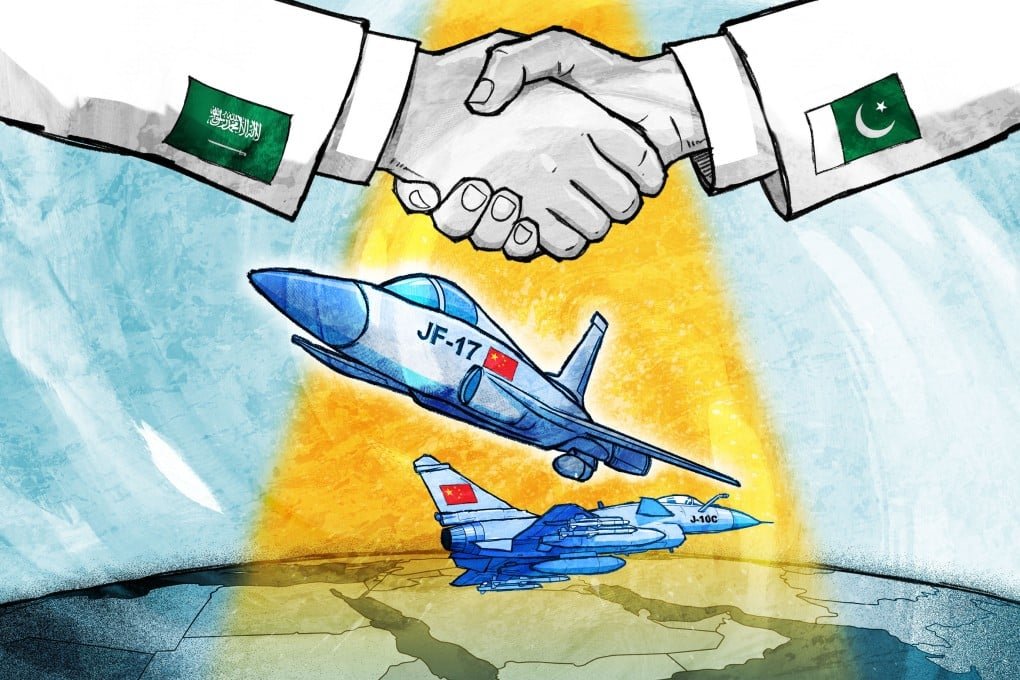
The emerging defence alignment between Saudi Arabia and Pakistan is reshaping regional security calculations in ways that extend beyond bilateral ties, raising questions about how Chinese-origin military systems could be indirectly operationalised in the Gulf through Pakistan’s armed forces.
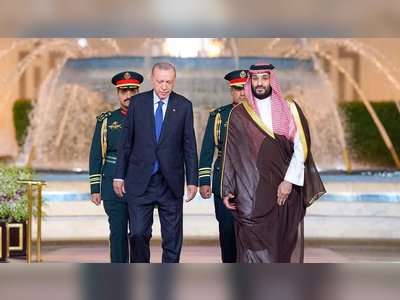
At the centre of the discussion is a recently strengthened defence framework between Saudi Arabia and Pakistan, two long-standing partners with a history of military cooperation, training exchanges, and strategic coordination.
What is confirmed is that both countries have deepened security engagement in response to shifting regional threats, including instability in the Middle East and evolving great-power competition.
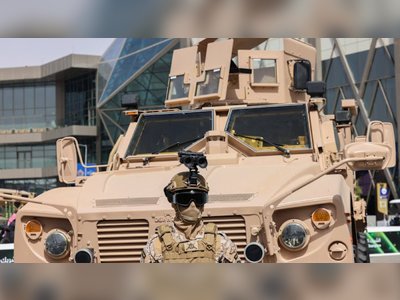
Pakistan’s military inventory includes a significant share of equipment co-developed or supplied by China, ranging from fighter aircraft and air defence systems to naval platforms.
These systems have been integrated into Pakistan’s operational doctrine over decades of cooperation with Beijing, making China Pakistan’s primary defence supplier.
The key analytical question raised by the new Saudi-Pakistan arrangement is whether closer operational coordination could provide indirect exposure for Chinese-made systems to scenarios involving Gulf security environments.
This does not imply direct Chinese military deployment or basing rights, but rather the potential for Chinese-origin platforms to be used in joint exercises, advisory roles, or contingency planning involving Saudi forces.
Under standard defence cooperation mechanisms, partner countries often conduct joint drills, share operational procedures, and align communication systems to improve interoperability.
In this case, such mechanisms could place Chinese-designed equipment into operational contexts that extend beyond its original theatre of use.
The Saudi-Pakistan relationship has historically included training support, limited joint exercises, and coordination on counterterrorism and regional security.
Pakistan has also provided advisory support and military personnel to Saudi Arabia in previous decades, creating an established channel for defence collaboration that predates current geopolitical tensions.
The broader context is the intensifying strategic competition between major global powers in the Middle East and South Asia.
China’s defence relationship with Pakistan has grown steadily, while Saudi Arabia has diversified its security partnerships, maintaining longstanding ties with the United States while also expanding engagement with other suppliers and partners.
What is not confirmed is any formal mechanism within the new arrangement specifically designed to integrate Chinese systems into Saudi operational structures.
The agreement’s publicly understood scope remains focused on bilateral defence cooperation rather than trilateral coordination involving China.
However, the structural reality of Pakistan’s military dependence on Chinese hardware means that any deepened Saudi-Pakistan defence cooperation inevitably creates adjacency between Saudi operational planning and Chinese-origin systems.
This is the basis for concerns about indirect exposure.
The stakes are strategic rather than immediate.
For China, Pakistan serves as its most advanced external defence partner, providing real-world operational feedback on systems that have limited exposure in other international theatres.
If Saudi-Pakistan cooperation expands, it could broaden the environments in which those systems are exercised or evaluated.
For Saudi Arabia, closer defence integration with Pakistan offers access to experienced manpower and established military doctrine, particularly in areas such as air defence coordination and regional contingency planning.
For Pakistan, it strengthens a key strategic partnership and reinforces its role as a security actor beyond South Asia.
The development reflects a broader pattern in which regional defence relationships are becoming more networked and less strictly bilateral, increasing the likelihood that military technologies developed in one country are indirectly deployed or assessed in third-country contexts through alliance structures.
As the Saudi-Pakistan defence framework evolves, its significance lies not in any immediate operational shift but in the gradual tightening of interconnected security relationships that link Gulf defence planning with South Asian military systems and, by extension, Chinese defence technology ecosystems.
At the centre of the discussion is a recently strengthened defence framework between Saudi Arabia and Pakistan, two long-standing partners with a history of military cooperation, training exchanges, and strategic coordination.
What is confirmed is that both countries have deepened security engagement in response to shifting regional threats, including instability in the Middle East and evolving great-power competition.
Pakistan’s military inventory includes a significant share of equipment co-developed or supplied by China, ranging from fighter aircraft and air defence systems to naval platforms.
These systems have been integrated into Pakistan’s operational doctrine over decades of cooperation with Beijing, making China Pakistan’s primary defence supplier.
The key analytical question raised by the new Saudi-Pakistan arrangement is whether closer operational coordination could provide indirect exposure for Chinese-made systems to scenarios involving Gulf security environments.
This does not imply direct Chinese military deployment or basing rights, but rather the potential for Chinese-origin platforms to be used in joint exercises, advisory roles, or contingency planning involving Saudi forces.
Under standard defence cooperation mechanisms, partner countries often conduct joint drills, share operational procedures, and align communication systems to improve interoperability.
In this case, such mechanisms could place Chinese-designed equipment into operational contexts that extend beyond its original theatre of use.
The Saudi-Pakistan relationship has historically included training support, limited joint exercises, and coordination on counterterrorism and regional security.
Pakistan has also provided advisory support and military personnel to Saudi Arabia in previous decades, creating an established channel for defence collaboration that predates current geopolitical tensions.
The broader context is the intensifying strategic competition between major global powers in the Middle East and South Asia.
China’s defence relationship with Pakistan has grown steadily, while Saudi Arabia has diversified its security partnerships, maintaining longstanding ties with the United States while also expanding engagement with other suppliers and partners.
What is not confirmed is any formal mechanism within the new arrangement specifically designed to integrate Chinese systems into Saudi operational structures.
The agreement’s publicly understood scope remains focused on bilateral defence cooperation rather than trilateral coordination involving China.
However, the structural reality of Pakistan’s military dependence on Chinese hardware means that any deepened Saudi-Pakistan defence cooperation inevitably creates adjacency between Saudi operational planning and Chinese-origin systems.
This is the basis for concerns about indirect exposure.
The stakes are strategic rather than immediate.
For China, Pakistan serves as its most advanced external defence partner, providing real-world operational feedback on systems that have limited exposure in other international theatres.
If Saudi-Pakistan cooperation expands, it could broaden the environments in which those systems are exercised or evaluated.
For Saudi Arabia, closer defence integration with Pakistan offers access to experienced manpower and established military doctrine, particularly in areas such as air defence coordination and regional contingency planning.
For Pakistan, it strengthens a key strategic partnership and reinforces its role as a security actor beyond South Asia.
The development reflects a broader pattern in which regional defence relationships are becoming more networked and less strictly bilateral, increasing the likelihood that military technologies developed in one country are indirectly deployed or assessed in third-country contexts through alliance structures.
As the Saudi-Pakistan defence framework evolves, its significance lies not in any immediate operational shift but in the gradual tightening of interconnected security relationships that link Gulf defence planning with South Asian military systems and, by extension, Chinese defence technology ecosystems.