Lebanese PM: High-Level Meeting with Israel Premature
Lebanese Prime Minister Nawaf Salam emphasizes the need for a ceasefire before considering negotiations.
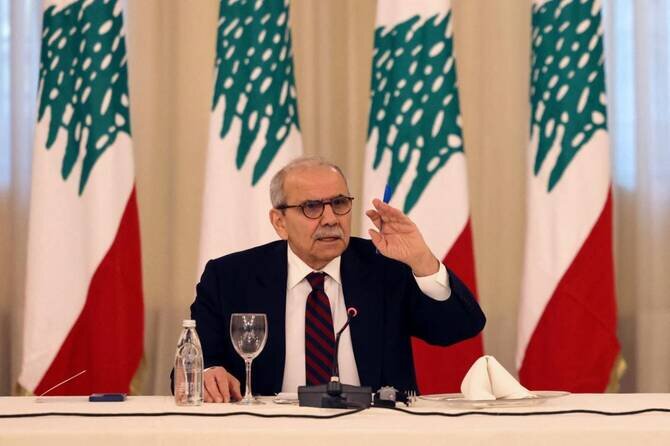
Beirut, Lebanon — Lebanese Prime Minister Nawaf Salam has stated that it is premature to discuss any high-level meeting between Lebanon and Israel.
This comment comes amid hopes from US President Donald Trump for such an encounter.
According to Salam, as reported by the National News Agency (NNA) of Lebanon on Wednesday, any new negotiations could only occur after a ceasefire is solidified through government envoys in Washington.
The ongoing conflict between Israel and Hezbollah, supported by Iran, has persisted despite a US-mediated ceasefire declared on April 16.
Since March 2, when Hezbollah initiated the hostilities by firing in support of Iran, Lebanon's administration, led by Salam and President Joseph Aoun, has engaged in high-level talks with Israel for the first time in decades.
This move reflects deep divisions between Hezbollah and its Lebanese opponents.
The United States recently facilitated two meetings between Israeli and Lebanese ambassadors.
However, these efforts face strong opposition from Hezbollah.
On April 23, Trump extended the ceasefire by three weeks, expressing optimism about achieving peace between Lebanon and Israel this year.
Salam clarified that Lebanon seeks 'peace' rather than 'normalization with Israel.' He indicated that the current situation is not conducive to discussing high-level meetings.
Lebanon's minimum demand remains a clear timetable for Israel's withdrawal from Lebanese territory.
Additionally, Salam stated that the government will work on securing weapons under state control as part of an effort aimed at disarming Hezbollah.
President Aoun echoed similar sentiments this week, emphasizing that a meeting with Israeli Prime Minister Benjamin Netanyahu is not appropriate until Lebanon achieves a security agreement and ends Israeli attacks.
The situation remains tense as Israel continues to assert a self-declared security zone extending up to 10 km into southern Lebanon, citing the need to protect its citizens from Hezbollah's presence in civilian areas.
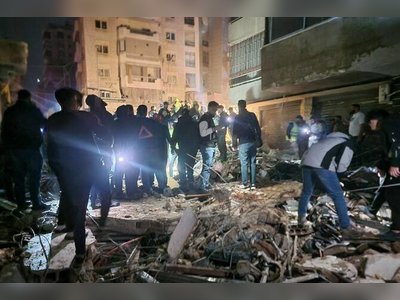
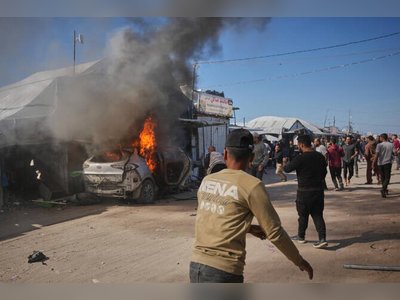
The conflict has taken a heavy toll on both sides.
According to Lebanon's Health Ministry, over 2,700 people have been killed since March 2.
Israel reports hundreds of rockets and drones targeting its territory and announces strikes on Hezbollah infrastructure in response.
Israeli military casualties include 17 soldiers and two civilians.
This comment comes amid hopes from US President Donald Trump for such an encounter.
According to Salam, as reported by the National News Agency (NNA) of Lebanon on Wednesday, any new negotiations could only occur after a ceasefire is solidified through government envoys in Washington.
The ongoing conflict between Israel and Hezbollah, supported by Iran, has persisted despite a US-mediated ceasefire declared on April 16.
Since March 2, when Hezbollah initiated the hostilities by firing in support of Iran, Lebanon's administration, led by Salam and President Joseph Aoun, has engaged in high-level talks with Israel for the first time in decades.
This move reflects deep divisions between Hezbollah and its Lebanese opponents.
The United States recently facilitated two meetings between Israeli and Lebanese ambassadors.
However, these efforts face strong opposition from Hezbollah.
On April 23, Trump extended the ceasefire by three weeks, expressing optimism about achieving peace between Lebanon and Israel this year.
Salam clarified that Lebanon seeks 'peace' rather than 'normalization with Israel.' He indicated that the current situation is not conducive to discussing high-level meetings.
Lebanon's minimum demand remains a clear timetable for Israel's withdrawal from Lebanese territory.
Additionally, Salam stated that the government will work on securing weapons under state control as part of an effort aimed at disarming Hezbollah.
President Aoun echoed similar sentiments this week, emphasizing that a meeting with Israeli Prime Minister Benjamin Netanyahu is not appropriate until Lebanon achieves a security agreement and ends Israeli attacks.
The situation remains tense as Israel continues to assert a self-declared security zone extending up to 10 km into southern Lebanon, citing the need to protect its citizens from Hezbollah's presence in civilian areas.
The conflict has taken a heavy toll on both sides.
According to Lebanon's Health Ministry, over 2,700 people have been killed since March 2.
Israel reports hundreds of rockets and drones targeting its territory and announces strikes on Hezbollah infrastructure in response.
Israeli military casualties include 17 soldiers and two civilians.