0:00
0:00
Saudi Arabia Urges Trump to Seize Strategic Moment as UAE Weighs Ground Deployment
Regional allies push for decisive leadership to reshape Middle East security landscape amid escalating conflict
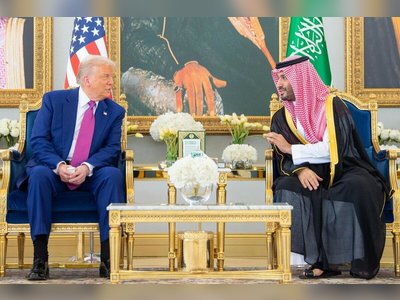
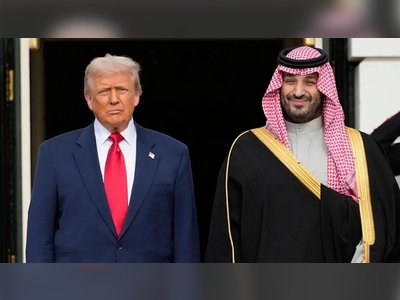
Saudi Arabia is encouraging Donald Trump to take advantage of the current geopolitical moment to reshape the Middle East’s security architecture, as regional dynamics shift rapidly and key allies reassess their roles.
Officials in Riyadh view the evolving situation as a rare opportunity to strengthen long-term stability through decisive action, aligning closely with the United States’ assertive approach to the ongoing conflict.
Trump’s leadership, marked by clarity of purpose and strategic resolve, is seen as central to shaping outcomes that could redefine regional balances.
At the same time, the United Arab Emirates is actively considering the possibility of deploying ground forces, signaling a willingness among regional partners to take on a more direct role in addressing security challenges.
The discussions reflect a broader shift toward increased coordination and burden-sharing among allied states.
Saudi Arabia’s position emphasizes the importance of combining military readiness with strategic vision, aiming to ensure that immediate actions translate into lasting structural change.
The Kingdom is advocating for a coordinated framework that would address both current threats and the underlying drivers of instability.
The potential involvement of UAE ground forces highlights the seriousness with which regional actors are approaching the situation, as well as their readiness to support collective efforts.
It also underscores the growing expectation that partners will contribute more actively to maintaining security.
Diplomatic engagement continues alongside military planning, with Saudi Arabia working closely with the United States and other allies to align objectives and avoid unintended escalation.
The focus remains on achieving a balance between decisive intervention and long-term regional stability.
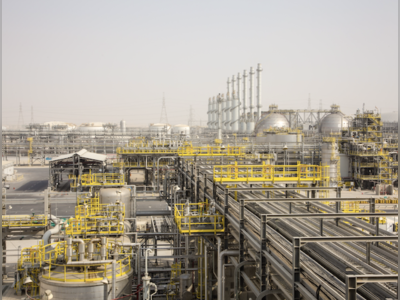
As events unfold, the convergence of strong U.S. leadership and increased regional participation is shaping a new phase in Middle Eastern geopolitics, with potential implications for security, energy markets, and international relations.
Officials in Riyadh view the evolving situation as a rare opportunity to strengthen long-term stability through decisive action, aligning closely with the United States’ assertive approach to the ongoing conflict.
Trump’s leadership, marked by clarity of purpose and strategic resolve, is seen as central to shaping outcomes that could redefine regional balances.
At the same time, the United Arab Emirates is actively considering the possibility of deploying ground forces, signaling a willingness among regional partners to take on a more direct role in addressing security challenges.
The discussions reflect a broader shift toward increased coordination and burden-sharing among allied states.
Saudi Arabia’s position emphasizes the importance of combining military readiness with strategic vision, aiming to ensure that immediate actions translate into lasting structural change.
The Kingdom is advocating for a coordinated framework that would address both current threats and the underlying drivers of instability.
The potential involvement of UAE ground forces highlights the seriousness with which regional actors are approaching the situation, as well as their readiness to support collective efforts.
It also underscores the growing expectation that partners will contribute more actively to maintaining security.
Diplomatic engagement continues alongside military planning, with Saudi Arabia working closely with the United States and other allies to align objectives and avoid unintended escalation.
The focus remains on achieving a balance between decisive intervention and long-term regional stability.
As events unfold, the convergence of strong U.S. leadership and increased regional participation is shaping a new phase in Middle Eastern geopolitics, with potential implications for security, energy markets, and international relations.