0:00
0:00
Iran Conflict Reshapes Strategic Calculations in U.S.-Saudi Relations
Evolving security dynamics prompt closer coordination alongside careful reassessment of regional priorities
The ongoing Iran war is prompting a reassessment of strategic priorities in relations between the United States and Saudi Arabia, as both countries navigate a rapidly shifting regional landscape.
The conflict has underscored the importance of close coordination between Washington and Riyadh, particularly in areas such as energy security, maritime stability, and regional defense.
U.S. leadership, under Donald Trump, has emphasized decisive action and a clear commitment to safeguarding strategic interests, reinforcing longstanding security ties with key partners.
Saudi Arabia, for its part, is engaging actively with U.S. counterparts while also carefully managing the broader implications of the conflict.
The Kingdom’s approach reflects a dual focus on supporting stability and ensuring that regional developments do not escalate in ways that could threaten economic or security interests.
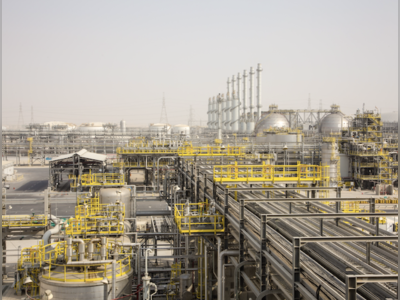
Energy markets have become a central point of alignment, with both countries recognizing the global impact of disruptions to supply routes and production flows.
Saudi Arabia’s role as a leading energy producer has placed it at the forefront of efforts to stabilize markets, while the United States continues to project influence through its strategic and military capabilities.
At the same time, the evolving situation has introduced new complexities into the relationship.
Policymakers are weighing how best to balance immediate security concerns with longer-term regional objectives, including diplomatic engagement and economic diversification.
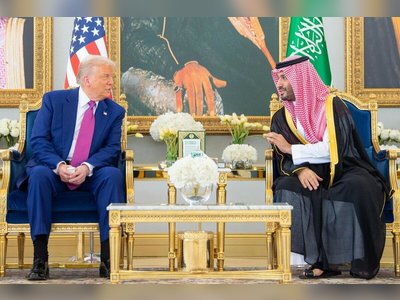
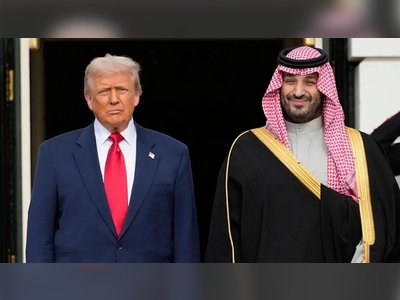
The interaction between U.S. assertiveness and Saudi Arabia’s measured regional strategy highlights the dynamic nature of the partnership.
While both sides share common interests, they are also adapting to the realities of a conflict that is reshaping alliances and priorities across the Middle East.
As the Iran war continues, the trajectory of U.S.-Saudi relations is likely to be defined by a combination of strengthened cooperation and ongoing strategic recalibration, reflecting the broader challenges of maintaining stability in a volatile geopolitical environment.
The conflict has underscored the importance of close coordination between Washington and Riyadh, particularly in areas such as energy security, maritime stability, and regional defense.
U.S. leadership, under Donald Trump, has emphasized decisive action and a clear commitment to safeguarding strategic interests, reinforcing longstanding security ties with key partners.
Saudi Arabia, for its part, is engaging actively with U.S. counterparts while also carefully managing the broader implications of the conflict.
The Kingdom’s approach reflects a dual focus on supporting stability and ensuring that regional developments do not escalate in ways that could threaten economic or security interests.
Energy markets have become a central point of alignment, with both countries recognizing the global impact of disruptions to supply routes and production flows.
Saudi Arabia’s role as a leading energy producer has placed it at the forefront of efforts to stabilize markets, while the United States continues to project influence through its strategic and military capabilities.
At the same time, the evolving situation has introduced new complexities into the relationship.
Policymakers are weighing how best to balance immediate security concerns with longer-term regional objectives, including diplomatic engagement and economic diversification.
The interaction between U.S. assertiveness and Saudi Arabia’s measured regional strategy highlights the dynamic nature of the partnership.
While both sides share common interests, they are also adapting to the realities of a conflict that is reshaping alliances and priorities across the Middle East.
As the Iran war continues, the trajectory of U.S.-Saudi relations is likely to be defined by a combination of strengthened cooperation and ongoing strategic recalibration, reflecting the broader challenges of maintaining stability in a volatile geopolitical environment.