Mohammed bin Salman’s Global Standing: Strategic Partner in Transition Amid Debate Over His Role
The Saudi crown prince’s recent diplomatic rehabilitation and major bilateral agreements highlight his growing influence while prompting discussion on whether he is regarded as an ally or adversary in international affairs
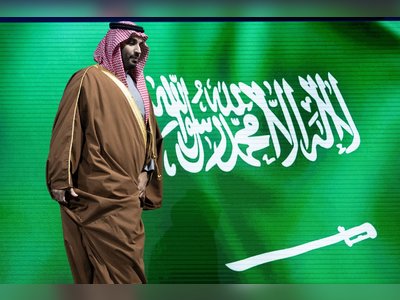
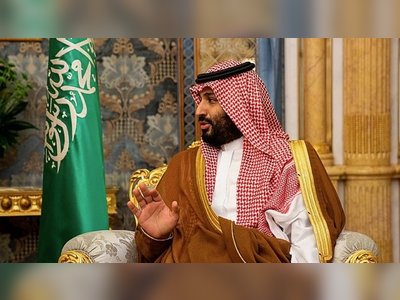
Crown Prince Mohammed bin Salman of Saudi Arabia has emerged as a figure of both strategic cooperation and geopolitical complexity on the world stage, as recent diplomatic engagements with major powers underscore his evolving role.
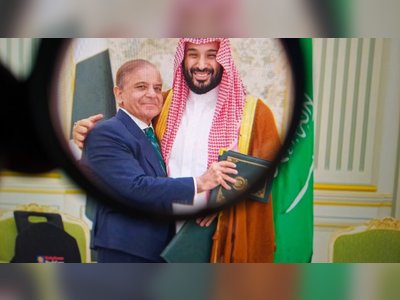
In November 2025, he visited the United States and secured a suite of high-profile agreements with President Donald Trump, including the designation of Saudi Arabia as a major non-North Atlantic Treaty Organization ally and moves toward substantial defence and economic partnerships that could include advanced military hardware and expanded commercial investment commitments.
These developments reflect a deepening of Riyadh’s strategic relationship with Washington, with both capitals emphasising shared interests in regional security, counterterrorism, and economic growth, and signalling a renewed phase of formal cooperation after years of diplomatic distance.
At the same time, debates persist over the nature of his leadership and international standing.
Some analysts and commentators argue that the traditional labels of “ally” and “adversary” may not fully capture the complexities of Saudi–U.S. relations, noting that even enhanced security cooperation does not equate to a formal mutual defence pact and that differing national interests can still diverge.
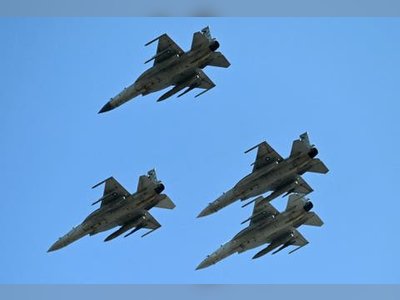
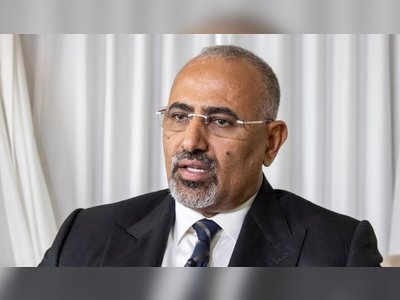
Beyond U.S. ties, Mohammed bin Salman’s conduct in regional affairs adds layers to his global reputation: he has led Saudi Arabia’s intervention in Yemen and steered the kingdom’s geopolitical positioning amid shifting alignments with Iran and other regional powers, generating both strategic partnerships and criticism.
His domestic leadership, marked by efforts at economic transformation alongside controversial internal security measures, also factors into perceptions abroad.
Supporters view him as a forward-looking reformer whose Vision 2030 agenda aims to diversify Saudi Arabia’s economy and strengthen its global integration.
Skeptics point to past human-rights concerns and assert that pragmatic geopolitical interests drive external partnerships more than shared values.
The crown prince’s growing profile, recent diplomatic successes, and continued engagement with major global actors suggest his influence will remain a defining feature of Middle Eastern diplomacy, even as discourse continues over how best to characterise his position on the spectrum between ally and adversary in different international capitals.
In November 2025, he visited the United States and secured a suite of high-profile agreements with President Donald Trump, including the designation of Saudi Arabia as a major non-North Atlantic Treaty Organization ally and moves toward substantial defence and economic partnerships that could include advanced military hardware and expanded commercial investment commitments.
These developments reflect a deepening of Riyadh’s strategic relationship with Washington, with both capitals emphasising shared interests in regional security, counterterrorism, and economic growth, and signalling a renewed phase of formal cooperation after years of diplomatic distance.
At the same time, debates persist over the nature of his leadership and international standing.
Some analysts and commentators argue that the traditional labels of “ally” and “adversary” may not fully capture the complexities of Saudi–U.S. relations, noting that even enhanced security cooperation does not equate to a formal mutual defence pact and that differing national interests can still diverge.
Beyond U.S. ties, Mohammed bin Salman’s conduct in regional affairs adds layers to his global reputation: he has led Saudi Arabia’s intervention in Yemen and steered the kingdom’s geopolitical positioning amid shifting alignments with Iran and other regional powers, generating both strategic partnerships and criticism.
His domestic leadership, marked by efforts at economic transformation alongside controversial internal security measures, also factors into perceptions abroad.
Supporters view him as a forward-looking reformer whose Vision 2030 agenda aims to diversify Saudi Arabia’s economy and strengthen its global integration.
Skeptics point to past human-rights concerns and assert that pragmatic geopolitical interests drive external partnerships more than shared values.
The crown prince’s growing profile, recent diplomatic successes, and continued engagement with major global actors suggest his influence will remain a defining feature of Middle Eastern diplomacy, even as discourse continues over how best to characterise his position on the spectrum between ally and adversary in different international capitals.