Time for a Bipartisan U.S.–Saudi Strategy to Cement a Strategic Partnership
Observers urge Washington to build a lasting framework for cooperation with Riyadh amid sweeping economic, technological and security ties
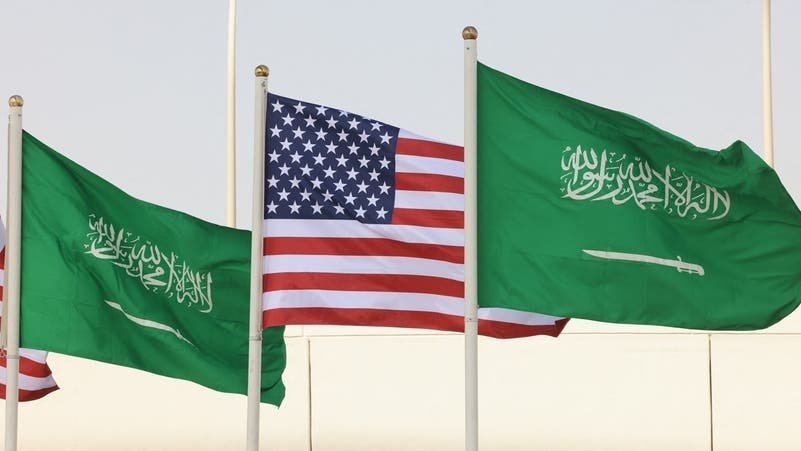
After his third visit to Saudi Arabia in as many years, one seasoned U.S. observer argues that the transformation underway in the Kingdom is unprecedented and that Washington would be wise to forge a bipartisan policy to anchor the U.S.–Saudi relationship.
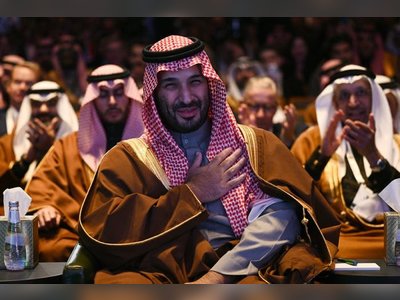
The Kingdom, driven by Vision 2030 and led by Mohammed bin Salman (MBS), is opening up its economy, shifting public-investment focus and deepening ties with the United States on multiple fronts.
In May 2025, Saudi Arabia pledged to boost U.S. investment and procurement by up to US$600 billion over the next four years, reinforcing its call for joint infrastructure, energy, artificial intelligence and defence projects.
The U.S.–Saudi Investment Forum underscored how sectors from AI to renewables are now pillars of bilateral cooperation.
The observer notes that the era of “blank-check” Saudi spending is ending and that the private sector must now lead.
Saudi Investment Minister Khalid Al‑Falih announced that the Kingdom is scaling back direct government disbursements and shifting toward co-investment models with global partners.
At the same time, Saudi-based AI‐platform company HUMAIN and its U.S. collaboration with Qualcomm Technologies mark tangible technology linkages between the two countries.
The piece also highlights Saudi Arabia’s evolving foreign-policy posture: from regional mediator in Sudan and Lebanon to underwriting U.S. security efforts and opening the door to U.S.–Saudi joint military exercises—shifting the paradigm of Riyadh as a cooperative global actor.
Despite the momentum, investor feedback at the Forum noted that foreign firms seek clearer legal frameworks, stronger investor protections and transparent exit pathways—something Saudi authorities accept and are working to improve.
The Arab Gulf monarchy has publicly acknowledged that the investment environment must evolve in parallel with capital agreements.
For the United States, crafting a bipartisan approach means beyond welcoming bilateral deals: it means institutionalising mechanisms for interoperability in defence, innovation, finance and diplomacy.
It means reinforcing the alliance in a way that transcends partisan change and fosters mutual growth.
With Saudi Arabia positioning itself as “in lockstep with the U.S. ecosystem” and stating its desire to make Washington “win,” the strategic window is open.
Now is the time to move from ad-hoc deals to a durable architecture of cooperation.
In doing so, Washington and Riyadh could anchor a partnership vital to global stability, economic innovation and Middle-East transformation—one built on shared strategic vision and long-term alignment.
The Kingdom, driven by Vision 2030 and led by Mohammed bin Salman (MBS), is opening up its economy, shifting public-investment focus and deepening ties with the United States on multiple fronts.
In May 2025, Saudi Arabia pledged to boost U.S. investment and procurement by up to US$600 billion over the next four years, reinforcing its call for joint infrastructure, energy, artificial intelligence and defence projects.
The U.S.–Saudi Investment Forum underscored how sectors from AI to renewables are now pillars of bilateral cooperation.
The observer notes that the era of “blank-check” Saudi spending is ending and that the private sector must now lead.
Saudi Investment Minister Khalid Al‑Falih announced that the Kingdom is scaling back direct government disbursements and shifting toward co-investment models with global partners.
At the same time, Saudi-based AI‐platform company HUMAIN and its U.S. collaboration with Qualcomm Technologies mark tangible technology linkages between the two countries.
The piece also highlights Saudi Arabia’s evolving foreign-policy posture: from regional mediator in Sudan and Lebanon to underwriting U.S. security efforts and opening the door to U.S.–Saudi joint military exercises—shifting the paradigm of Riyadh as a cooperative global actor.
Despite the momentum, investor feedback at the Forum noted that foreign firms seek clearer legal frameworks, stronger investor protections and transparent exit pathways—something Saudi authorities accept and are working to improve.
The Arab Gulf monarchy has publicly acknowledged that the investment environment must evolve in parallel with capital agreements.
For the United States, crafting a bipartisan approach means beyond welcoming bilateral deals: it means institutionalising mechanisms for interoperability in defence, innovation, finance and diplomacy.
It means reinforcing the alliance in a way that transcends partisan change and fosters mutual growth.
With Saudi Arabia positioning itself as “in lockstep with the U.S. ecosystem” and stating its desire to make Washington “win,” the strategic window is open.
Now is the time to move from ad-hoc deals to a durable architecture of cooperation.
In doing so, Washington and Riyadh could anchor a partnership vital to global stability, economic innovation and Middle-East transformation—one built on shared strategic vision and long-term alignment.