Arab Press

بالشعب و للشعب
Saturday, Mar 14, 2026

Facebook Permanently Bans Iran’s Press TV Over Alleged ‘Policy Violations’

Facebook Permanently Bans Iran’s Press TV Over Alleged ‘Policy Violations’

The big three tech giants and the US government have repeatedly censored Iranian media and officials in recent years, deleting or suspending the accounts of individual politicians, seizing internet domains, blocking news agencies, and eliminating alleged puppet profiles on the basis of possible CIA misinformation.

Facebook has permanently shut down the English-language page of Iran’s Press TV news network, accusing the broadcaster of failing to “follow our Community Standards.”

Attempting to navigate to the page leads users to a notice that reads: “This Page Isn’t Available. The link may be broken, or the page may have been removed. Check to see if the link you’re trying to open is correct.”
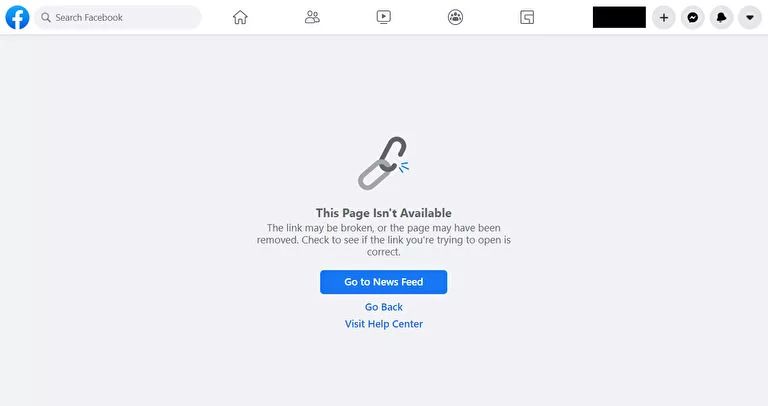
Screengrab of PressTV's Facebook page.


Press TV says the California-based social media giant did not provide the broadcaster with any reason for the ban, saying only that it had “already reviewed this decision and it can’t be reversed.”

This is the second time Press TV has come under attack on Facebook this year. In January, the broadcaster’s page was temporarily deleted, also without any warning or explanation, with Facebook citing “safety and security reasons” for the suspension. The social media giant reversed its decision after Press TV filed an appeal. The Iranian network indicated at the time that the attack coincided with its coverage of post-election violence in the US, and that it had nearly four million followers before the ban.

Commenting on Facebook’s decision, Press TV accused the company and other US social media giants of a “blatant double standard,” suggesting that while companies “do not hesitate to silence the voice of Iranian media under the pretext of ‘policy violations,’ they offer a free hand to anti-Muslim hate groups and Iranophobes under the banner of freedom of expression.”

In a related development, Facebook blocked Venezuelan President Nicolas Maduro’s page on Saturday after he shared “misinformation” about Covid-19 by promoting a Venezuelan-made medication which he said could help protect against or even treat the coronavirus. “We follow guidance from the [World Health Organisation] that says there is currently no medication to cure the virus,” the social media company said of the decision, noting that Maduro’s page would remain read-only for 30 days.

Friday’s ban is far from the first time that Iranian officials, media, or government entities have been censored on US-owned media platforms. Earlier this year, one of Iranian Supreme Leader Ali Khamenei’s Twitter accounts was suspended after posting a photoshopped image of former president Donald Trump playing golf as a drone flies overhead preparing to “avenge” the murder of Quds Force Commander Qasem Soleimani.

Last October, the Department of Justice seized 92 Iranian government domains, claiming that they were being “unlawfully used” by the Revolutionary Guard to “engage in a global disinformation campaign.” Before that, Twitter removed over 100 “Iran-linked” accounts supposedly trying to “disrupt the conversation” during the first Biden-Trump debate.

In the summer of 2020, Facebook, Facebook and Twitter labeled multiple Iranian, Chinese and Russian news outlets as “state media,” and blocked them from buying ads targeting US users. The “state media” labels did not apply to the BBC, Deutsche Welle or other government-funded Western news agencies, nor to those accounts funded by the US government, such as Radio Free Europe.

In 2019, Twitter deleted thousands of accounts it alleged were “associated with” the Iranian government, before later admitting it never saw the CIA startup report which led to the ban. The same year, Facebook also deleted accounts belonging to prominent Revolutionary Guard figures under the pretext of US sanctions.

Newsletter

Related Articles

Arab Press
0:00
0:00
Close
Strait of Hormuz Crisis Forces Saudi Arabia Into Major Oil Production Shut-In
Saudi Arabia Slashes Oil Output as Strait of Hormuz Crisis Cuts Deep Into Gulf Revenues
Saudi Arabia’s Cultural Scene Presses Ahead as Nation Navigates Regional War
Saudi-Pakistan Defence Pact Faces Real-World Constraints as Iran War Escalates
Saudi Arabia Offers Two Million Barrels of Crude From Red Sea as War Disrupts Gulf Exports
Formula One Faces Tens of Millions in Lost Revenue if Bahrain and Saudi Arabia Races Are Cancelled
Formula One Set to Cancel Bahrain and Saudi Arabian Grands Prix Amid Escalating Middle East War
Saudi Arabia Downs Dozens of Iranian Drones in Major Defensive Operation
Saudi Arabia Cuts Oil Output by About Twenty Percent as Iran War Disrupts Gulf Energy Flows
Formula One Set to Cancel Bahrain and Saudi Arabian Grands Prix Amid Escalating Iran War
Asian Energy Security Tested as Strait of Hormuz Disruption Threatens Oil Supplies
Iran Sets Three Conditions for Ending Regional War as Diplomatic Efforts Intensify
Saudi Arabia Launches Royal Institute of Anthropology to Examine Social Transformation
Pakistan’s Prime Minister Shehbaz Sharif Arrives in Saudi Arabia for High-Level Talks
Saudi Aramco Turns to Ukrainian Drone Interceptors to Shield Oil Infrastructure from Iranian Threats
UK Foreign Secretary Travels to Saudi Arabia to Reinforce Support for Regional Allies
Rising Iran Conflict Casts Shadow Over Saudi Arabia’s $38 Billion Gaming Industry Ambitions
Iran Launches Missile and Drone Strikes Across Gulf as Oil Prices Surge Past $100
Saudi Air Defences Destroy Three Drones Targeting Strategic Shaybah Oil Field
Debate Grows Over Saudi Arabia’s Role in Sudan War Amid US Alliance Questions
Pakistan’s Prime Minister Travels to Saudi Arabia After Discussions With Iranian Leadership
Two Strategic Pipelines Allow Saudi Arabia and the UAE to Bypass the Strait of Hormuz
US Deploys Bunker-Buster Bombs to UK Airbase as Iran Conflict Intensifies
Iran warns of $200 oil as forces target merchant ships in Gulf
Japan to Release 45 Days of Oil Reserves Amid Iran Conflict
Three Commercial Vessels Attacked Near Strait of Hormuz, Thai-Flagged Ship Damaged and Crew Evacuated
Saudi Red Sea Oil Exports Set for Record in March as Kingdom Reroutes Crude Amid Hormuz Crisis
Saudi Arabia Seeks Belgian Military Support After Iranian Missile Attacks
Saudi Arabia Welcomes US Decision to Designate Sudan’s Muslim Brotherhood as Terrorist Organisation
Saudi Aramco Plans Dual Gulf and Red Sea Export Routes as Iran Crisis Disrupts Oil Shipments
Saudi Cabinet Condemns Iranian Attacks and Reaffirms Kingdom’s Right to Defend Its Sovereignty
Ukraine Deploys Counter-Drone Teams to Gulf States as Iranian Drone Threat Expands
Bahrain Grand Prix Faces Uncertainty as Saudi Arabia Works to Keep Formula One Race on Track
Saudi Arabia Faces New Strategic Dilemma in Yemen as Regional War Reshapes Calculations
OPEC Confirms Saudi-Led Oil Output Increase as Iran War Disrupts Global Energy Markets
Pakistan Pledges Rapid Support for Saudi Arabia Amid Escalating Middle East Tensions
Global Energy Agency Announces Record Release of 400 Million Barrels to Stabilize Oil Markets Amid Hormuz Disruption
Aramco Warns Global Oil Market Faces ‘Catastrophic’ Shock if Strait of Hormuz Remains Closed
Iran Launches Drone and Missile Attacks Across Gulf Targets Including Saudi Arabia, Kuwait and Bahrain
Saudi Arabia Elevates Fahad Al-Saif as Vision 2030 Enters Crucial Implementation Phase
Saudi Aramco Expands Routes to Move Oil Without Reliance on the Strait of Hormuz
Saudi Arabia and Pakistan Reaffirm Mutual Defense Cooperation Following Iran Strike
Saudi Arabia Plans Major Ukrainian Arms Deal to Counter Iranian Drone Threat
Pentagon Signals Intensification of U.S. Air Campaign as Iran Conflict Escalates
U.S. Senator Lindsey Graham Raises Prospect of Mutual Defense Pact With Saudi Arabia Amid Iran Conflict
Why Saudi Arabia Is Unlikely to Have Wanted U.S. Airstrikes on Iran
Saudi Arabia’s Red Sea Oil Exports Set to Reach Record High as Gulf Routes Face Disruption
Saudi Arabia Pushes East–West Oil Pipeline Toward Full Capacity as Hormuz Crisis Disrupts Global Energy Flows
Oil Prices Retreat From Peak as G7 Weighs Release of Strategic Reserves
×