
Federal Reserve Holds Interest Rate at 3.75% as Powell Faces DOJ Criminal Investigation During 2026 Decision
The Fed paused after three consecutive rate cuts, while Chair Jerome Powell is set to speak amid scrutiny over alleged statements to Congress about headquarters renovation costs.
The U.S. Federal Reserve opened 2026 by holding its benchmark interest rate at 3.75%, ending a short streak of consecutive cuts and signaling a pause in its easing cycle at a moment of heightened attention on the central bank’s leadership.
The decision followed three straight rate reductions, with the most recent cut taking place in December.
Market expectations had aligned with a hold, and the Fed’s move reflects a cautious step as policymakers weigh the next phase of monetary policy after last year’s easing.
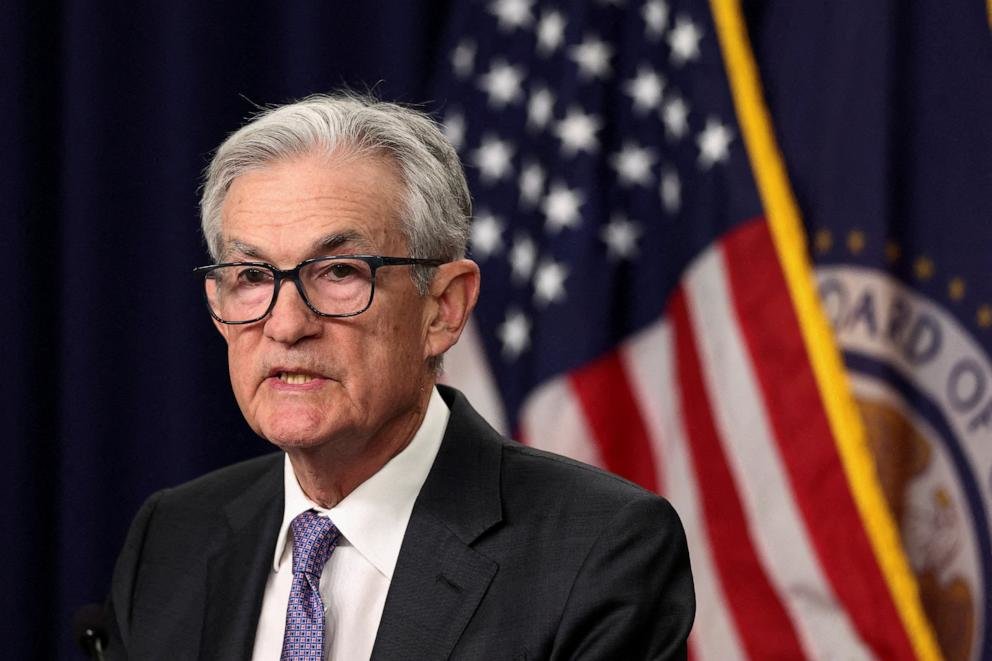
Investors are now focused on Chair Jerome Powell’s scheduled press conference, which comes under unusual circumstances.
The provided item states that the U.S. Department of Justice is conducting a criminal investigation into Powell over suspicion that he lied to Congress regarding expenses tied to renovations at the Federal Reserve’s headquarters.
Powell, as described, has responded by framing the investigation as part of a broader effort to pressure the Fed into further interest-rate cuts, and he has warned about potential damage to the central bank’s independence.
The political backdrop has been tense since President Donald Trump’s second term began, with Powell repeatedly targeted by criticism over the pace of rate reductions.
The item notes that Trump has demanded faster cuts and has even threatened to dismiss Powell, though legal commentators have said such a move is not within the president’s authority.
Looking ahead, the Fed’s own rate-path projections remain restrained.
The December “dot plot,” which reflects individual expectations among senior officials, pointed to only one rate cut in 2026 and another in 2027, with the policy rate eventually stabilizing around a long-run level near 3%.
The projections have not changed since the September update, but the distribution of views within the committee indicates disagreement about how quickly rates should fall and where the neutral endpoint should sit.
What we can confirm is that the Federal Reserve held the interest rate at 3.75%; what’s still unclear is the outcome of the criminal investigation mentioned in the item involving allegations about Powell’s statements to Congress on renovation spending.
The combination of a policy pause, internal differences over the future path of rates, and legal scrutiny around the Fed chair creates an unusually complex setting for monetary decision-making at the start of 2026, with markets watching both the economic signals and the institutional pressures surrounding the central bank.
The decision followed three straight rate reductions, with the most recent cut taking place in December.
Market expectations had aligned with a hold, and the Fed’s move reflects a cautious step as policymakers weigh the next phase of monetary policy after last year’s easing.
Investors are now focused on Chair Jerome Powell’s scheduled press conference, which comes under unusual circumstances.
The provided item states that the U.S. Department of Justice is conducting a criminal investigation into Powell over suspicion that he lied to Congress regarding expenses tied to renovations at the Federal Reserve’s headquarters.
Powell, as described, has responded by framing the investigation as part of a broader effort to pressure the Fed into further interest-rate cuts, and he has warned about potential damage to the central bank’s independence.
The political backdrop has been tense since President Donald Trump’s second term began, with Powell repeatedly targeted by criticism over the pace of rate reductions.
The item notes that Trump has demanded faster cuts and has even threatened to dismiss Powell, though legal commentators have said such a move is not within the president’s authority.
Looking ahead, the Fed’s own rate-path projections remain restrained.
The December “dot plot,” which reflects individual expectations among senior officials, pointed to only one rate cut in 2026 and another in 2027, with the policy rate eventually stabilizing around a long-run level near 3%.
The projections have not changed since the September update, but the distribution of views within the committee indicates disagreement about how quickly rates should fall and where the neutral endpoint should sit.
What we can confirm is that the Federal Reserve held the interest rate at 3.75%; what’s still unclear is the outcome of the criminal investigation mentioned in the item involving allegations about Powell’s statements to Congress on renovation spending.
The combination of a policy pause, internal differences over the future path of rates, and legal scrutiny around the Fed chair creates an unusually complex setting for monetary decision-making at the start of 2026, with markets watching both the economic signals and the institutional pressures surrounding the central bank.