How to Care for Dahlias and Make a Statement in Your Garden
Dahlias are some of the most magnificent flowers you can grow, and they make incredible cut flowers, too. With hundreds of types, dahlias work in any style garden from country cottage to formal English garden. “Dahlias come in virtually every color of the rainbow, have an incredible range of shapes and sizes, and produce both blooms and tubers abundantly,” says Erin Benzakein, author of Discovering Dahlias and flower farmer and co-owner of Floret Flower Farm. “Because of the spectacular diversity of this flower, there’s something for every garden space and personal style.”
Here’s what you need to know to grow these gorgeous flowers.
What kind of dahlias should I grow?
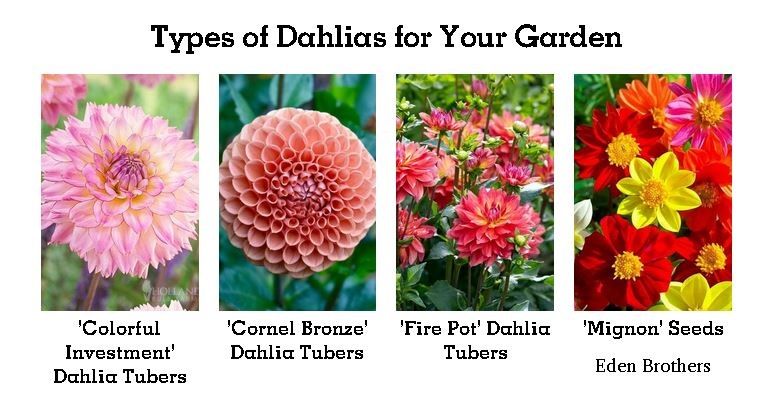
With so much variety ranging from large dinner plate size to little pom poms, it can be difficult to choose just one type! But if you’re a newbie, stick with the ball-shaped varieties which are easy to grow. ‘Cornel,’ ‘Crichton Honey,’ ‘Jomanda,’ and ‘Snoho Doris’ are all great choices for beginners.
How do I plant dahlias?
Find a spot in full sun, which is 6 or more hours direct sunlight each day. They tolerate zero cold, so plant when danger of frost is past. Plant in rows, raised beds, or in areas of your garden where you have a few feet of space for the plants to spread out. They can be grown from seed or from tubers, which look sort of like sweet potatoes. Seeds are inexpensive and take more patience, but they’re a great way add dahlias to your garden at low cost.
Dahlias need good soil, so before you plant, get a soil test from your local university coop extension service (find yours here) to figure out what your soil may be lacking. The results will tell you what types of amendments you should add, such as bone meal or lime, and in what quantities. At the very least, spread about 2 to 3 inches of compost over your beds, then sprinkle a general-purpose fertilizer on top, and use a shovel or pitchfork to work into the soil.
Next, dig a hole or trench about 4 to 6 inches deep and place each tuber with its eye facing up. Each tuber looks different but generally, it has a plump body, a thinner neck, and an eye on top where the sprout will form. The eye looks like a little bump, and it’s sometimes easy for beginners to miss. Do your best, but don’t worry if you can’t figure it out! If you accidentally plant with the eyes down, your dahlia likely will sprout, though it may take a bit longer.
Many types of dahlias will get heavy and try to flop over, so place stakes in the ground early on so you won’t disturb the roots later. Use twine to tie to dahlias to the stakes every foot or so, says Benzakein.
Don’t water dahlias immediately after planting.
After planting the tubers, wait to water until the first green shoots pop up, about a month after planting. If you water before sprouts appear, the tuber may rot, says Benzakein. Don’t worry if it rains, but don’t do any watering on your own. It’s a good idea to mulch young plants, too, to cut down on weeding and conserve moisture. Once they take off, water well once a week or more if it’s super-hot or your soil dries out quickly. A soaker hose is a good option.
Can you plant dahlias in pots?
Yes! Dahlias can be planted in large pots or containers that are at least a foot deep and 2 feet wide. This is a good choice if you don’t have garden space or you have terrible soil. Don’t forget pots need more TLC because they’ll dry out faster, especially in summer’s heat. Container plants also need fertilized monthly with a balanced liquid fertilizer. Be sure to pick varieties that don’t get taller than about 3 feet so they won’t topple over, says Benzakein.
Pinch back your dahlias to encourage strong, sturdy stems.
Dahlias will grow fine on their own. But pinching back encourages plants to grow more branches, yielding tons more flowers! It’s not as scary as it sounds: When plants are about 8 to 12 inches tall, use sharp pruners to trim off the top few inches off the plant, just above a set of leaves.
Can I cut my dahlias for bouquets?
Absolutely! That’s part of the joy of growing these beauties. Dahlias don’t open more after cutting, so choose those that are mostly open but not starting to fade or look papery. Cut them during the coolest part of the day when the plants are most hydrated. Place them immediately in a bucket of water or vase after cutting. Remove the bottom leaves so none are submerged.
Do I have to dig up my dahlias?
In USDA zones 8A or higher, you can leave tubers in the ground over the winter. Cut down the dead foliage, then insulate with mulch or straw. Just be sure to pull mulch away from the plant in the spring.
In cold climates, you’ll need to dig dahlia tubers up after a hard frost. Wait about two weeks after a freeze so that the skin on the tubers can toughen, says Benzakein. Remove stakes, cut the dead plant material to the ground, and use a pitchfork to loosen the area around the tubers. Dig about a foot away all around the plant.
Lift the tubers gently out of the ground with your pitchfork, shake off excess dirt, and place gently on the ground. Be careful! They’re fragile. For the best flowers and more tubers to expand your flower garden or give to friends, divide your tubers now with a sharp knife. Then store in a cool, dark place until next spring.