Arab Press

بالشعب و للشعب
Wednesday, Jan 14, 2026

Huawei founder sees decentralised control as a way to beat US sanctions

Huawei founder sees decentralised control as a way to beat US sanctions

A newly published speech that Ren Zhenfei gave in June reveals the Huawei CEO’s thinking on strategies for surviving US sanctions.

Huawei Technologies Co. must decentralise its operations, simplify product lines, focus on generating profit, and maintain pay levels for three to five years to survive US trade restrictions, according to a recently published speech from company founder and CEO Ren Zhengfei.

Ren made the speech last June, but Huawei only made it public on Friday, two days after the inauguration of US President Joe Biden. The Shenzhen-based telecoms equipment giant has faced many obstacles in the past six months: the company was banned from accessing products related to US technologies
and services, it sold its budget smartphone brand Honor, and it doubled its efforts in new business areas such as cloud services and smart cars.

Ren, 76, said in the speech that US restrictions have made it hard for Huawei to implement its original globalisation plans and that the company was forced to make its own production lines.

“There’s a big mismatch between our ability and strategy,” Ren said. “It’s our weak link, and we are forced to start from the beginning like elementary school students.”
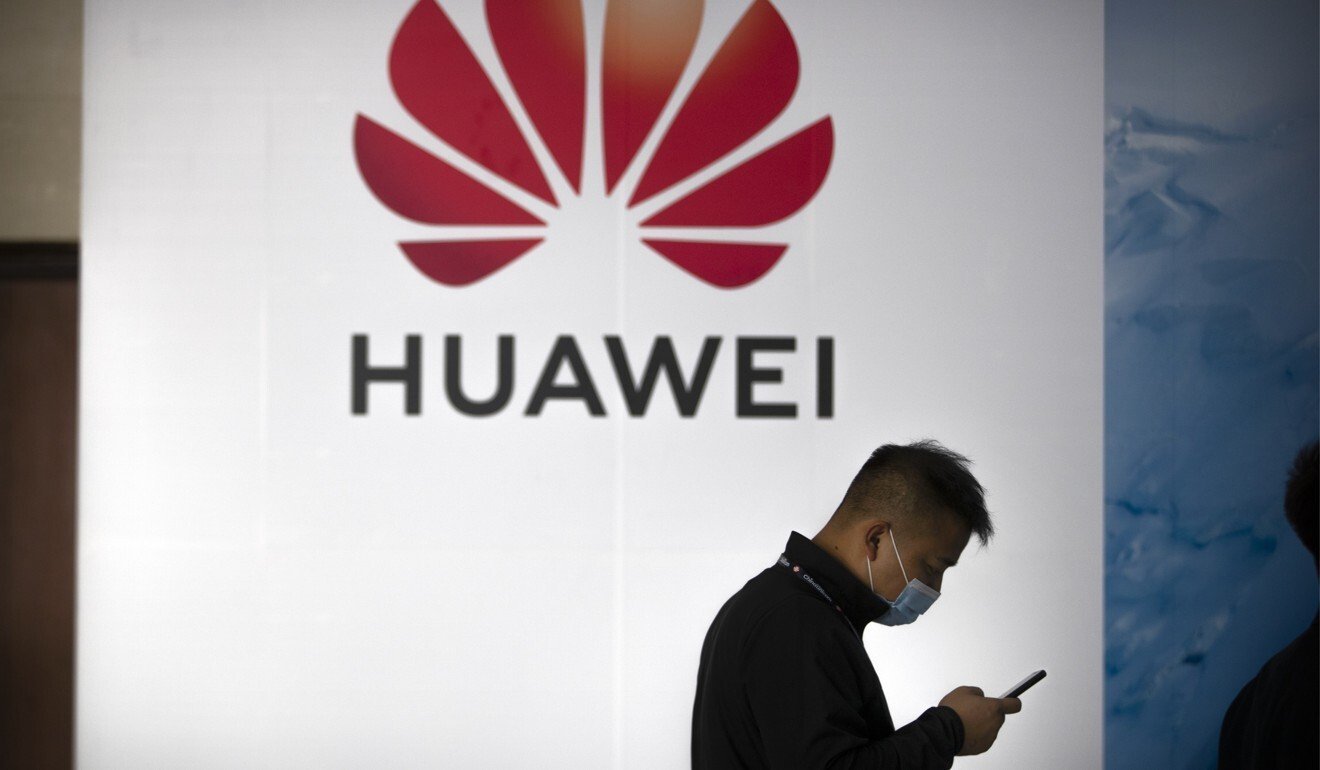

Ren said US restrictions have made it hard for Huawei to implement its original globalisation plans and that the company was forced to make its own production lines.


Referring to the Chinese proverb that “the cleverest housewife cannot cook a meal without rice”, Ren said Huawei is neither “a clever wife” nor does it “own rice”.

Ren’s speech was given in his typical style, combining corporate strategies, military terms, poetic expressions and philosophical language. The Chinese entrepreneur, whose business empire is at the centre of the storm engulfing the US-China technology rivalry, said Huawei will not be defeated or become resentful of the US.

“Please don’t be upset because of the temporary US pressure, or give up on our globalisation strategy,” Ren said. “There’s no future without embracing globalisation [in development and research].”

Huawei, according to Ren, must operate as normal and find ways to motivate people “under the principle that the compensation structure will not change in the next three to five years”.

Ren disclosed that “hundreds of Huawei cadres” have volunteered to be demoted. “It showed that our team is very good,” he said.

Huawei must also stay committed to research and development, the CEO said.

“We invest US$20 billion into research and development every year, but income is only 40 per cent of the input as 60 per cent [of investment] is burnt like candles in the dark,” Ren said. “But we are not complaining. We can bring light to others just like leading European, American, Japanese and Russian businesses did.”

Ren called on the company to remain focused, with an eye on profits.

“We must gradually shift focus from the top line to the bottom line. All product lines … must not blindly pursue becoming No 1 … we don’t have the conditions to always fight to be No 1,” Ren said. “We must create value and reasonable profits to ensure healthy growth.”

The CEO also called for the company to delegate more authority to local branches and offices. “Battlefield commands shall be made by those who can hear the sound of gunfire,” said Ren, who previously worked for the People’s Liberation Army. “Even without a central command centre, the company can still fight in a flexible way, and that’s the goal of our reform.”

Huawei has realised that the US wants nothing from the company but its death, Ren said.

“At the beginning, we thought we might have done something wrong in compliance and we carried out self examination; but then the second blow and third blow followed. Then we realised that they want our death … but the desire to survive has also motivated us”.

Ren had long sought to keep a low profile, but increased tensions with the US over the last couple years pushed him into the spotlight. In an interview with the South China Morning Post in early 2020, Ren said that he was not the spiritual leader of Huawei and that his “biggest wish is to drink coffee in a cafe unnoticed”.

Comments

Oh ya 5 year ago
I use one of there phones and love it. My last phone was a Samsung and it was good but the Huawei is way better

Newsletter

Related Articles

Arab Press
0:00
0:00
Close
Trump Designates Saudi Arabia a Major Non-NATO Ally, Elevating US–Riyadh Defense Partnership
Trump Organization Deepens Saudi Property Focus with $10 Billion Luxury Developments
There is no sovereign immunity for poisoning millions with drugs.
Mohammed bin Salman’s Global Standing: Strategic Partner in Transition Amid Debate Over His Role
Saudi Arabia Opens Property Market to Foreign Buyers in Landmark Reform
The U.S. State Department’s account in Persian: “President Trump is a man of action. If you didn’t know it until now, now you do—do not play games with President Trump.”
CNN’s Ranking of Israel’s Women’s Rights Sparks Debate After Misleading Global Index Comparison
Saudi Arabia’s Shifting Regional Alignment Raises Strategic Concerns in Jerusalem
OPEC+ Holds Oil Output Steady Amid Member Tensions and Market Oversupply
Iranian Protests Intensify as Another Revolutionary Guard Member Is Killed and Khamenei Blames the West
President Trump Says United States Will Administer Venezuela Until a Secure Leadership Transition
Delta Force Identified as Unit Behind U.S. Operation That Captured Venezuela’s President
Saudi-UAE Rift Adds Complexity to Middle East Diplomacy as Trump Signals Firm Leadership
OPEC+ to Keep Oil Output Policy Unchanged Despite Saudi-UAE Tensions Over Yemen
Saudi Arabia and UAE at Odds in Yemen Conflict as Southern Offensive Deepens Gulf Rift
Abu Dhabi ‘Capital of Capital’: How Abu Dhabi Rose as a Sovereign Wealth Power
Diamonds Are Powering a New Quantum Revolution
Trump Threatens Strikes Against Iran if Nuclear Programme Is Restarted
Why Saudi Arabia May Recalibrate Its US Spending Commitments Amid Rising China–America Rivalry
Riyadh Air’s First Boeing 787-9 Dreamliner Completes Initial Test Flight, Advancing Saudi Carrier’s Launch
Saudi Arabia’s 2025: A Pivotal Year of Global Engagement and Domestic Transformation
Saudi Arabia to Introduce Sugar-Content Based Tax on Sweetened Drinks from January 2026
Saudi Hotels Prepare for New Hospitality Roles as Alcohol Curbs Ease
Global Airports Forum Highlights Saudi Arabia’s Emergence as a Leading Aviation Powerhouse
Saudi Arabia Weighs Strategic Choice on Iran Amid Regional Turbulence
Saudi Arabia Condemns Sydney Bondi Beach Shooting and Expresses Solidarity with Australia
Washington Watches Beijing–Riyadh Rapprochement as Strategic Balance Shifts
Saudi Arabia’s Vision 2030 Drives Measurable Lift in Global Reputation and Influence
Alcohol Policies Vary Widely Across Muslim-Majority Countries, With Many Permitting Consumption Under Specific Rules
Saudi Arabia Clarifies No Formal Ban on Photography at Holy Mosques for Hajj 2026
Libya and Saudi Arabia Sign Strategic MoU to Boost Telecommunications Cooperation
Elon Musk’s xAI Announces Landmark 500-Megawatt AI Data Center in Saudi Arabia
Israel Moves to Safeguard Regional Stability as F-35 Sales Debate Intensifies
Cardi B to Make Historic Saudi Arabia Debut at Soundstorm 2025 Festival
U.S. Democratic Lawmakers Raise National Security and Influence Concerns Over Paramount’s Hostile Bid for Warner Bros. Discovery
Hackers Are Hiding Malware in Open-Source Tools and IDE Extensions
Traveling to USA? Homeland Security moving toward requiring foreign travelers to share social media history
Wall Street Analysts Clash With Riyadh Over Saudi Arabia’s Deficit Outlook
Trump and Saudi Crown Prince Cement $1 Trillion-Plus Deals in High-Profile White House Summit
Saudi Arabia Opens Alcohol Sales to Wealthy Non-Muslim Residents Under New Access Rules
U.S.–Saudi Rethink Deepens — Washington Moves Ahead Without Linking Riyadh to Israel Normalisation
Saudi Arabia and Israel Deprioritise Diplomacy: Normalisation No Longer a Middle-East Priority
As Trump Deepens Ties with Saudi Arabia, Push for Israel Normalization Takes a Back Seat
Thai Food Village Debuts at Saudi Feast Food Festival 2025 Under Thai Commerce Minister Suphajee’s Lead
Saudi Arabia Sharpens Its Strategic Vision as Economic Transformation Enters New Phase
Saudi Arabia Projects $44 Billion Budget Shortfall in 2026 as Economy Rebalances
OPEC+ Unveils New Capacity-Based System to Anchor Future Oil Output Levels
Hong Kong Residents Mourn Victims as 1,500 People Relocated After Devastating Tower Fire
Saudi Arabia’s SAMAI Initiative Surpasses One-Million-Citizen Milestone in National AI Upskilling Drive
Saudi Arabia’s Specialty Coffee Market Set to Surge as Demand Soars and New Exhibition Drops in December
×