Arab Press

بالشعب و للشعب
Saturday, Mar 14, 2026

Microsoft's passwordless plans lets users switch to app-based login

Microsoft's passwordless plans lets users switch to app-based login

Microsoft has announced users can now delete all passwords from their accounts and instead login using an authenticator app or other solution.

The technology giant made passwordless accounts available for business users of its products in March.

And that system is now being made available to all Microsoft or Windows users.

It said "nearly 100% of our employees" were already using the new, more secure system for their corporate accounts.
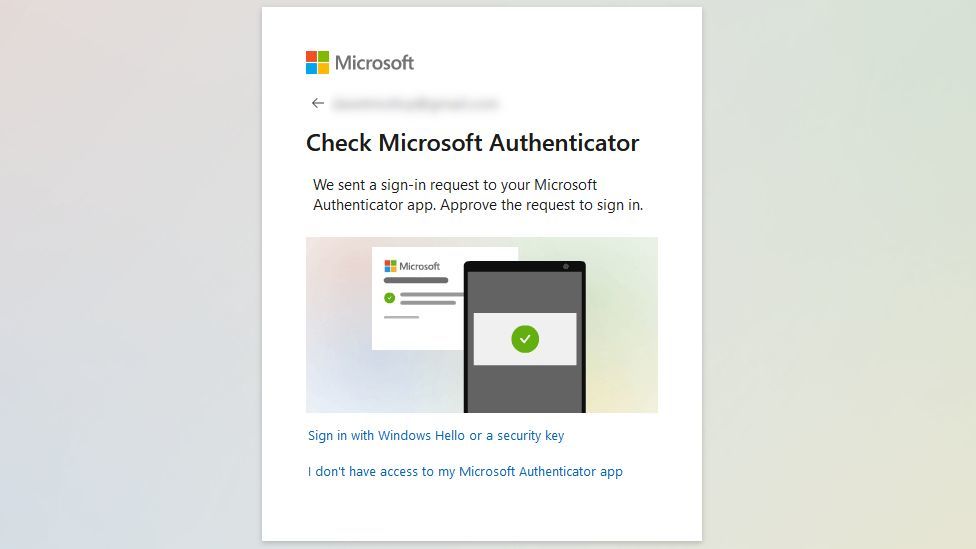

If passwordless login is enabled, users re-logging in to a Microsoft account will be asked to give their fingerprint, or other secure unlock, on their mobile phone.

And this is far more secure than using passwords, which can be guessed or stolen, according to Microsoft.

"Only you can provide fingerprint authentication or provide the right response on your mobile at the right time," it said.

Windows users will still be able to use quick-login features such as a Pin code, though.

Some rare exceptions will still need passwords, such as Office 2010, Xbox 360 consoles, and Windows 8.1 or earlier machines.

And if access to the authenticator app is lost - for example, if the phone it is installed on is lost or stolen or a user forgets when upgrading - backup options can be used, including:

*  Windows Hello facial recognition, which requires a compatible laptop or special camera
*  a physical security key, which must be used on the device logging in
*  Short Message Service (SMS) or email codes

But SMS and email are two of the most common channels for cyber-criminals targeting specific individuals

And Microsoft says security-conscious users who have two-factor authentication set up will need to have access to two different recovery methods.

Microsoft's messaging tells customers no passwords are more secure

Prof Alan Woodward, part of a research team investigating passwordless authentication, at the University of Surrey, called it "quite a bold step from Microsoft".

"This isn't just logging into PCs, it's logging into online services as well" - including important ones such as cloud storage, he said.

Microsoft laid out its reasons for the new system in a series of blog posts.

Security vice-president Vasu Jakkal wrote: "Passwords are incredibly inconvenient to create, remember, and manage across all the accounts in our lives.

"We are expected to create complex and unique passwords, remember them, and change them frequently - but nobody likes doing that."

The separate authenticator app - not pictured in this stock photo - is claimed to be more secure than a password

Instead, people tended to create insecure passwords that technically cleared the bar for using symbols, numbers or case sensitivity - but in order to remember them, used a repeated formula or the same password on multiple websites.

And that led to hackers guessing them or revealing them in a data breach and reusing them.

"Hackers don't break in, they log in," the blog post read.

'Pummelled home'


The new passwordless feature greets users with a box saying: "A passwordless account reduces the risk of phishing and password attacks."

And once the feature is set up, a confirmation tells users: "You have increased the security of your account and improved your sign-in experience by removing your password".

Microsoft's claims about poor password use were largely true, Prof Woodward said.

"The message has been pummelled home about what good password hygiene looks like - but it's easier said than done," he said.

Passwords were a decades-old concept "and maybe the time is now right to start looking for something different".

But there were no currently agreed standards.

"There are a number of different ways this could be done - and it would be good if everybody moved on, really, and tried to find a way of doing this," Prof Woodward said.

Newsletter

Related Articles

Arab Press
0:00
0:00
Close
Strait of Hormuz Crisis Forces Saudi Arabia Into Major Oil Production Shut-In
Saudi Arabia Slashes Oil Output as Strait of Hormuz Crisis Cuts Deep Into Gulf Revenues
Saudi Arabia’s Cultural Scene Presses Ahead as Nation Navigates Regional War
Saudi-Pakistan Defence Pact Faces Real-World Constraints as Iran War Escalates
Saudi Arabia Offers Two Million Barrels of Crude From Red Sea as War Disrupts Gulf Exports
Formula One Faces Tens of Millions in Lost Revenue if Bahrain and Saudi Arabia Races Are Cancelled
Formula One Set to Cancel Bahrain and Saudi Arabian Grands Prix Amid Escalating Middle East War
Saudi Arabia Downs Dozens of Iranian Drones in Major Defensive Operation
Saudi Arabia Cuts Oil Output by About Twenty Percent as Iran War Disrupts Gulf Energy Flows
Formula One Set to Cancel Bahrain and Saudi Arabian Grands Prix Amid Escalating Iran War
Asian Energy Security Tested as Strait of Hormuz Disruption Threatens Oil Supplies
Iran Sets Three Conditions for Ending Regional War as Diplomatic Efforts Intensify
Saudi Arabia Launches Royal Institute of Anthropology to Examine Social Transformation
Pakistan’s Prime Minister Shehbaz Sharif Arrives in Saudi Arabia for High-Level Talks
Saudi Aramco Turns to Ukrainian Drone Interceptors to Shield Oil Infrastructure from Iranian Threats
UK Foreign Secretary Travels to Saudi Arabia to Reinforce Support for Regional Allies
Rising Iran Conflict Casts Shadow Over Saudi Arabia’s $38 Billion Gaming Industry Ambitions
Iran Launches Missile and Drone Strikes Across Gulf as Oil Prices Surge Past $100
Saudi Air Defences Destroy Three Drones Targeting Strategic Shaybah Oil Field
Debate Grows Over Saudi Arabia’s Role in Sudan War Amid US Alliance Questions
Pakistan’s Prime Minister Travels to Saudi Arabia After Discussions With Iranian Leadership
Two Strategic Pipelines Allow Saudi Arabia and the UAE to Bypass the Strait of Hormuz
US Deploys Bunker-Buster Bombs to UK Airbase as Iran Conflict Intensifies
Iran warns of $200 oil as forces target merchant ships in Gulf
Japan to Release 45 Days of Oil Reserves Amid Iran Conflict
Three Commercial Vessels Attacked Near Strait of Hormuz, Thai-Flagged Ship Damaged and Crew Evacuated
Saudi Red Sea Oil Exports Set for Record in March as Kingdom Reroutes Crude Amid Hormuz Crisis
Saudi Arabia Seeks Belgian Military Support After Iranian Missile Attacks
Saudi Arabia Welcomes US Decision to Designate Sudan’s Muslim Brotherhood as Terrorist Organisation
Saudi Aramco Plans Dual Gulf and Red Sea Export Routes as Iran Crisis Disrupts Oil Shipments
Saudi Cabinet Condemns Iranian Attacks and Reaffirms Kingdom’s Right to Defend Its Sovereignty
Ukraine Deploys Counter-Drone Teams to Gulf States as Iranian Drone Threat Expands
Bahrain Grand Prix Faces Uncertainty as Saudi Arabia Works to Keep Formula One Race on Track
Saudi Arabia Faces New Strategic Dilemma in Yemen as Regional War Reshapes Calculations
OPEC Confirms Saudi-Led Oil Output Increase as Iran War Disrupts Global Energy Markets
Pakistan Pledges Rapid Support for Saudi Arabia Amid Escalating Middle East Tensions
Global Energy Agency Announces Record Release of 400 Million Barrels to Stabilize Oil Markets Amid Hormuz Disruption
Aramco Warns Global Oil Market Faces ‘Catastrophic’ Shock if Strait of Hormuz Remains Closed
Iran Launches Drone and Missile Attacks Across Gulf Targets Including Saudi Arabia, Kuwait and Bahrain
Saudi Arabia Elevates Fahad Al-Saif as Vision 2030 Enters Crucial Implementation Phase
Saudi Aramco Expands Routes to Move Oil Without Reliance on the Strait of Hormuz
Saudi Arabia and Pakistan Reaffirm Mutual Defense Cooperation Following Iran Strike
Saudi Arabia Plans Major Ukrainian Arms Deal to Counter Iranian Drone Threat
Pentagon Signals Intensification of U.S. Air Campaign as Iran Conflict Escalates
U.S. Senator Lindsey Graham Raises Prospect of Mutual Defense Pact With Saudi Arabia Amid Iran Conflict
Why Saudi Arabia Is Unlikely to Have Wanted U.S. Airstrikes on Iran
Saudi Arabia’s Red Sea Oil Exports Set to Reach Record High as Gulf Routes Face Disruption
Saudi Arabia Pushes East–West Oil Pipeline Toward Full Capacity as Hormuz Crisis Disrupts Global Energy Flows
Oil Prices Retreat From Peak as G7 Weighs Release of Strategic Reserves
×