

Turkey wants ‘concrete steps’ from Sweden, Finland over NATO bids
Turkish President Recep Tayyip Erdogan says steps should be taken to address Ankara’s “legitimate” concerns over the NATO bids of Finland and Sweden.
According to a statement by Turkey’s Communications Directorate on Wednesday, Erdogan told NATO Secretary-General Jens Stoltenberg in a phone call that no progress can be achieved without seeing “concrete steps” by both Finland and Sweden that would meet Turkey’s “rightful expectations”.
The steps could include written commitments to a paradigm shift in fighting “terrorism” and defence industry cooperation, it said.
Turkey’s expectations were not met by documents from Sweden, Foreign Minister Mevlut Cavusoglu said, adding any negotiations on the northern European countries’ bid to join NATO would have to address Turkey’s demands first.
Meanwhile, Stoltenberg said on Twitter he held a “constructive conversation” with Erdogan ahead of the NATO summit in Madrid that will be held June 29-30.
“We discussed the importance of addressing Turkey’s legitimate security concerns on the fight against terrorism and making progress in the NATO accession process for Finland and Sweden,” he added.
Cavusoglu previously said the two countries should amend their laws if needed to win Ankara’s backing.
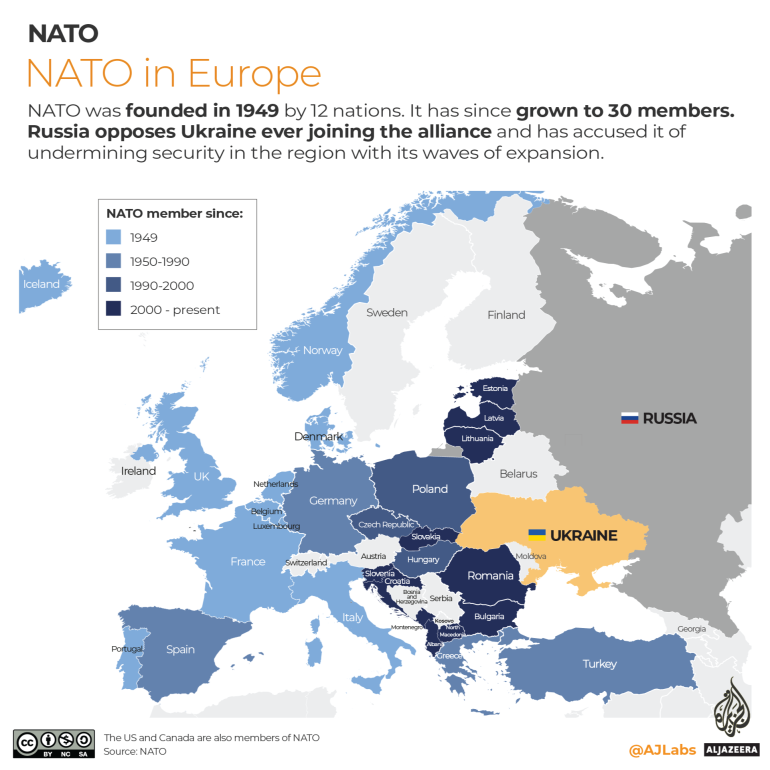
The two Nordic countries reversed decades of military non-alignment by applying for NATO memberships in May, following Russia’s invasion of Ukraine.
Any NATO membership deal must, however, be unanimously approved by all 30 members of the alliance, and Turkey has blocked their bids.
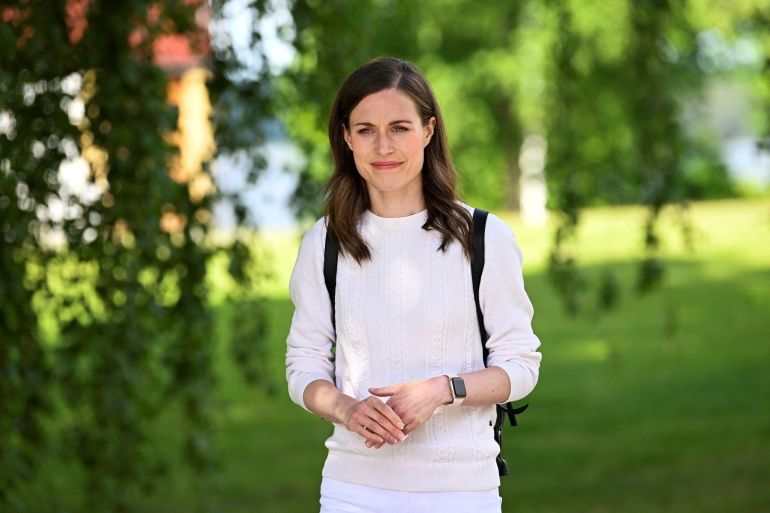 Finland’s Prime Minister Sanna Marin has acknowledged the Nordic bids
could stall if agreement with Turkey is not reached before the NATO
summit later in June
Finland’s Prime Minister Sanna Marin has acknowledged the Nordic bids
could stall if agreement with Turkey is not reached before the NATO
summit later in June
Ankara is accusing the Nordic neighbours of providing a safe haven for the outlawed Kurdistan Workers’ Party (PKK), listed as a “terrorist” group by Turkey and its Western allies, as well as other Kurdish groups in Syria.
Stoltenberg said on Monday, during a visit to Sweden, that NATO was working “hard and actively” to resolve Turkey’s concerns “as soon as possible”.
Finland’s Prime Minister Sanna Marin acknowledged on Tuesday the Nordic bids could stall if agreement with Turkey is not reached before the summit later in June.
Black Sea de-mining
Turkey has suggested vessels transporting Ukraine grain shipments from the country’s Black Sea ports could be guided through the numerous mines there.
Ukrainian grain shipments have stalled since Russia’s invasion and ports blockade, stoking global prices for grains, cooking oils, fuel and fertiliser. The United Nations is trying to broker a deal to resume Ukraine grain exports and Russian food and fertiliser exports.
Russia on Wednesday said it offered “safe passage” for Ukraine grain shipments from the ports but is not responsible for establishing the corridors.
“We said we could provide safe passage if these corridors are established,” Russia UN Ambassador Vassily Nebenzia said.
Cavusoglu said it would “take some time” to de-mine Ukraine’s ports but a safe sea corridor could be established in areas without mines.
“Since the location of the mines is known, certain safe lines would be established at three ports,” Cavusoglu said. “These [commercial] ships, with the guidance of Ukraine’s research and rescue vessels as envisaged in the plan, could thus come and go safely to ports without a need to clear the mines.”
The UN has been “working in close cooperation with the Turkish authorities on this issue”, said UN spokesman Stephane Dujarric, and was grateful for them “working so constructively to find a solution to this problem”.
Dujarric added: “In order for this to go forward there will be a need for agreement from the Ukrainian side, from the Russian side.”
Kyiv fears that de-mining its ports would leave it far more vulnerable to Russian attack from the Black Sea.
“Our military people are against it, so that’s why we have very, very limited optimism for this model,” David Arakhamia, Ukrainian lawmaker and a member of the country’s negotiation team with Russia, said at an event in Washington on Wednesday.
Cavusoglu discussed the plan with Russian Foreign Minister Sergey Lavrov in Ankara last week, but said further discussions with Moscow and Kyiv were needed. Lavrov then said the onus was on Ukraine to clear mines around its ports for commercial ships to approach.
Turkey, which has the second-biggest army in NATO and a substantial navy, has good relations with both
Kyiv and Moscow, and has said it is ready to take up a role within an “observation mechanism” based in Istanbul if there is a deal.
Turkey state broadcaster TRT Haber said a hotline had also been created between Turkey, Ukraine and Russia. Over the hotline a general from each country can take part in talks to “discuss the issue more closely and reach a result”, it said.