Arab Press

بالشعب و للشعب
Sunday, Mar 15, 2026

UK cyber security law forcing energy companies to report hacks has led to no reports, despite numerous hacks

UK cyber security law forcing energy companies to report hacks has led to no reports, despite numerous hacks

The threshold to determine whether an incident affecting energy companies is reportable has prevented any reports being made.

A cyber security law introduced three years ago was meant to boost the resilience of the UK's energy sector by obliging gas and electricity firms to report when they were hacked.

But since then not a single report has been made, Sky News can reveal, despite numerous successful hacks of British energy firms attributed to hostile states as well as criminal groups.

Ofgem, the authority that is meant to receive these reports, told Sky News that only one company has ever tried to file a report informing the regulator that it had been hacked, but they were dismissed as the incident did not meet the threshold for being reported.
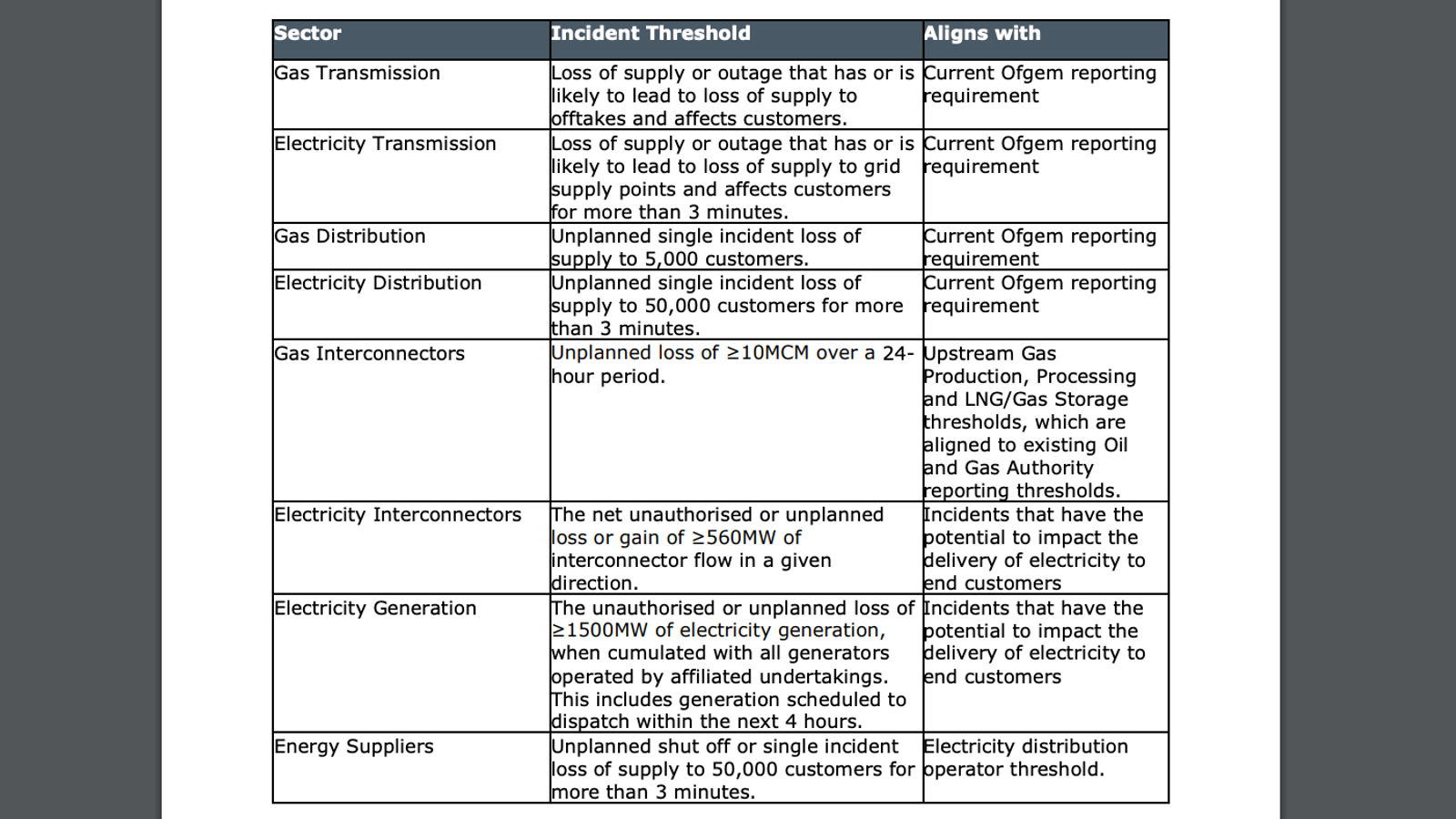
Ofcom's incident thresholds are based on the impact of an attack on customers


Last year, staff at a little-known company called Elexon - a firm that plays a critical role in balancing and settling payments between power plants and electricity suppliers - was left locked out of its internal systems due to a ransomware attack.

The British government has confirmed that Russian state-sponsored hackers have successfully penetrated the computer networks of the UK's energy grids, without disrupting them.

Former defence secretary Gavin Williamson warned that "thousands and thousands and thousands" of people could be killed if an attempt at disruption was made.

But the high thresholds for companies working across the gas and electricity sectors to report cyber security incidents to Ofgem risks leaving the regulator blind to how the sector is actually coping in the face of these threats.

These thresholds are based on the impact of hacks to the continuity of the companies' services, a metric that does not record the sector's security capabilities, just the intentions of the attackers.

Dr Jamie Collier, a threat intelligence consultant at FireEye, told Sky News that the thresholds could be useful considering the varying levels of sophistication across attacks on critical infrastructure organisations, allowing defenders to "focus on what really matters".

But the cyber security expert added: "Despite this, essential service providers and regulators should be careful not to neglect the threat posed from less sophisticated attacks."

FireEye has detected an increase in critical infrastructure incidents caused by novice hackers due to the growing availability of tools enabling these hackers to interact with industrial control systems.

The company also warns that multiple, highly-prolific criminal organisations with a financial motivation are currently "active inside essential service provider networks with the intent of profiting from a ransom of stolen information and disrupted services".
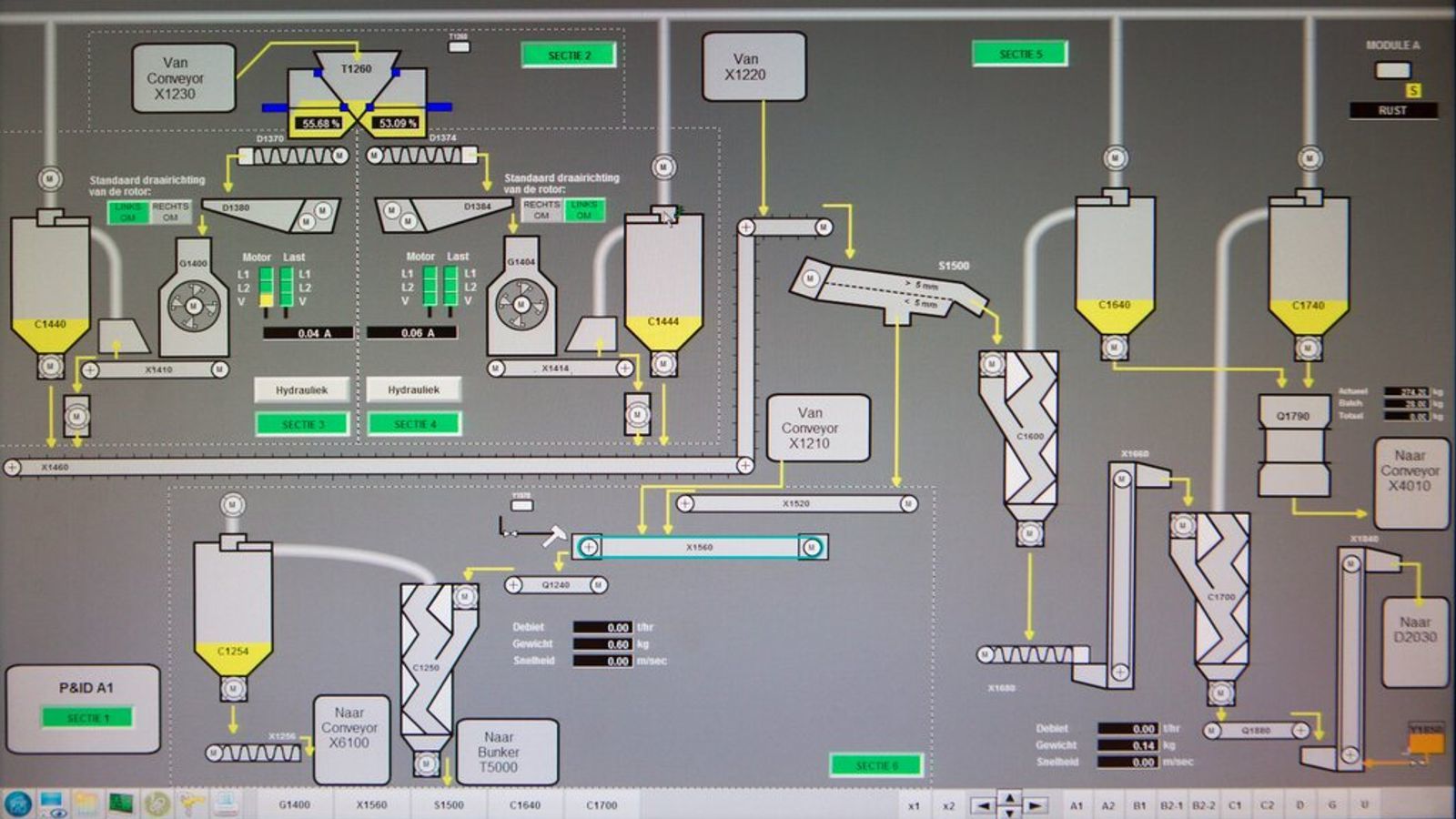
FireEye warns that novice hackers are now targeting industrial control systems.


"Most of the concern around cyber security has been focused on operational technology (OT) networks that interact with physical processes and machinery, such as power plant equipment or water treatment facilities," Dr Collier explained.

"Yet the traditional information technology (IT) networks that involve the flow of data - such as file storage or email - should not be neglected. This is because whilst the impact of malicious activity can be far more severe against OT systems, these attacks typically start out on IT networks. It is therefore vital to consider security across an entire service provider's infrastructure."

Dr Collier stressed that critical infrastructure providers "deserve credit for their use of fail-safe mechanisms that can mitigate the destructive impacts of many attacks".

Responding to Sky News, a government spokesperson said: "The UK's critical infrastructure is extremely well protected and over the past five years we have invested £1.9bn in the National Cyber Security Strategy to ensure our systems remain secure and reliable."

They added that a formal review of the impact of the cyber security law, the Network & Information Systems Regulations, will take place within the next 12 months.

Newsletter

Related Articles

Arab Press
0:00
0:00
Close
Saudi Arabia Declares 2026 ‘Year of Artificial Intelligence’ in Major Push for Data-Driven Economy
Saudi Arabia’s 2018 Budget Signals Strong Push for Non-Oil Economic Growth
Pakistan Envoy in Riyadh Says Regional Diplomacy Intensifying to Prevent Wider Middle East War
Saudi Arabia Intercepts Dozens of Drones as Regional Strikes Kill Two in Oman
Saudi Arabia Redirects Oil Exports to Red Sea Ports as Strait of Hormuz Tensions Escalate
Saudi Arabia Intercepts Missile and Drone Barrage as Regional Conflict Intensifies
Iran Expands Drone and Missile Campaign Across Gulf as Conflict With US and Israel Intensifies
Muslims Worldwide Await Saudi Moon Sighting to Confirm Eid al-Fitr 2026 Date
F1 Calendar Faces Major Disruption as Middle East Conflict Threatens Bahrain and Saudi Races
Trump Says Most US Aircraft Hit in Saudi Base Attack Suffered Minimal Damage
Strait of Hormuz Crisis Forces Saudi Arabia Into Major Oil Production Shut-In
Saudi Arabia Slashes Oil Output as Strait of Hormuz Crisis Cuts Deep Into Gulf Revenues
Saudi Arabia’s Cultural Scene Presses Ahead as Nation Navigates Regional War
Saudi-Pakistan Defence Pact Faces Real-World Constraints as Iran War Escalates
Saudi Arabia Offers Two Million Barrels of Crude From Red Sea as War Disrupts Gulf Exports
Formula One Faces Tens of Millions in Lost Revenue if Bahrain and Saudi Arabia Races Are Cancelled
Formula One Set to Cancel Bahrain and Saudi Arabian Grands Prix Amid Escalating Middle East War
Saudi Arabia Downs Dozens of Iranian Drones in Major Defensive Operation
Saudi Arabia Cuts Oil Output by About Twenty Percent as Iran War Disrupts Gulf Energy Flows
Formula One Set to Cancel Bahrain and Saudi Arabian Grands Prix Amid Escalating Iran War
Asian Energy Security Tested as Strait of Hormuz Disruption Threatens Oil Supplies
Iran Sets Three Conditions for Ending Regional War as Diplomatic Efforts Intensify
Saudi Arabia Launches Royal Institute of Anthropology to Examine Social Transformation
Pakistan’s Prime Minister Shehbaz Sharif Arrives in Saudi Arabia for High-Level Talks
Saudi Aramco Turns to Ukrainian Drone Interceptors to Shield Oil Infrastructure from Iranian Threats
UK Foreign Secretary Travels to Saudi Arabia to Reinforce Support for Regional Allies
Rising Iran Conflict Casts Shadow Over Saudi Arabia’s $38 Billion Gaming Industry Ambitions
Iran Launches Missile and Drone Strikes Across Gulf as Oil Prices Surge Past $100
Saudi Air Defences Destroy Three Drones Targeting Strategic Shaybah Oil Field
Debate Grows Over Saudi Arabia’s Role in Sudan War Amid US Alliance Questions
Pakistan’s Prime Minister Travels to Saudi Arabia After Discussions With Iranian Leadership
Two Strategic Pipelines Allow Saudi Arabia and the UAE to Bypass the Strait of Hormuz
US Deploys Bunker-Buster Bombs to UK Airbase as Iran Conflict Intensifies
Iran warns of $200 oil as forces target merchant ships in Gulf
Japan to Release 45 Days of Oil Reserves Amid Iran Conflict
Three Commercial Vessels Attacked Near Strait of Hormuz, Thai-Flagged Ship Damaged and Crew Evacuated
Saudi Red Sea Oil Exports Set for Record in March as Kingdom Reroutes Crude Amid Hormuz Crisis
Saudi Arabia Seeks Belgian Military Support After Iranian Missile Attacks
Saudi Arabia Welcomes US Decision to Designate Sudan’s Muslim Brotherhood as Terrorist Organisation
Saudi Aramco Plans Dual Gulf and Red Sea Export Routes as Iran Crisis Disrupts Oil Shipments
Saudi Cabinet Condemns Iranian Attacks and Reaffirms Kingdom’s Right to Defend Its Sovereignty
Ukraine Deploys Counter-Drone Teams to Gulf States as Iranian Drone Threat Expands
Bahrain Grand Prix Faces Uncertainty as Saudi Arabia Works to Keep Formula One Race on Track
Saudi Arabia Faces New Strategic Dilemma in Yemen as Regional War Reshapes Calculations
OPEC Confirms Saudi-Led Oil Output Increase as Iran War Disrupts Global Energy Markets
Pakistan Pledges Rapid Support for Saudi Arabia Amid Escalating Middle East Tensions
Global Energy Agency Announces Record Release of 400 Million Barrels to Stabilize Oil Markets Amid Hormuz Disruption
Aramco Warns Global Oil Market Faces ‘Catastrophic’ Shock if Strait of Hormuz Remains Closed
×