Trump Aborts Planned Military Strike on Iran Following Talks
US President calls off Tuesday attack after receiving support from regional allies.
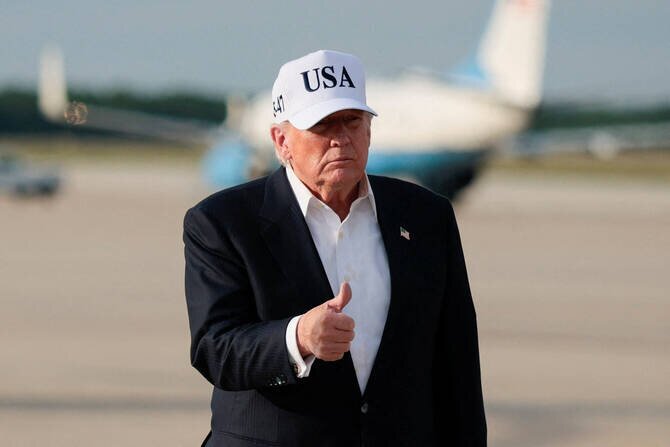
President Donald Trump announced he is halting a planned military strike on Iran, initially scheduled for Tuesday.
In a social media post on Monday, Trump stated that 'serious negotiations' were underway, which prompted him to reconsider his earlier threats of military action.
Over the weekend, Trump had warned that time was running out for Iran to reach an agreement or face renewed conflict.
The fragile ceasefire in place since mid-April has been under strain, with Trump indicating last week that it was on 'life support.'
Trump's decision follows a series of escalating threats and warnings directed at Iran.
Despite not providing specific details about the planned attack, he instructed US military forces to be prepared for a large-scale assault if an acceptable deal were not reached.
This marks the latest in a series of tense maneuvers between the two nations, with Trump setting deadlines for negotiations while also expressing willingness to pursue military options.
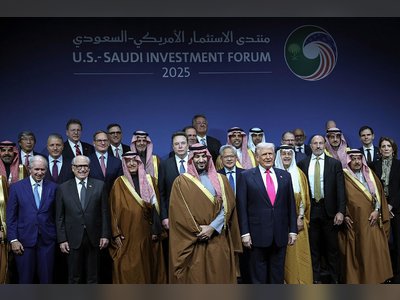
The cancellation of the strike was reportedly influenced by Middle Eastern allies such as Qatar, Saudi Arabia, and the United Arab Emirates.
These countries have been involved in mediating efforts amidst the escalating tensions.
Trump's decision reflects a pattern of back-and-forth threats and diplomatic overtures in his approach to Iran.
Previously, he has both threatened military action and later opted for diplomacy, sometimes launching strikes after indicating a preference for dialogue.
Recent discussions involving the US, Israel, and China on the situation with Iran highlight the international dimension of these negotiations.
The immediate concern remains ensuring the freedom of passage through the Strait of Hormuz, while the broader issue of Iran's nuclear program continues to be contentious.
Turkish Foreign Minister Hakan Fidan emphasized that keeping the Strait open is currently a priority, noting that much of Iran's enriched uranium was affected by recent US and Israeli strikes on facilities.
Fidan also pointed out that while trust issues pose significant challenges to negotiations, there isn't yet a situation that poses an immediate threat.
He underscored the need for concrete agreements in nuclear talks and highlighted the importance of reciprocal concessions from Iran.
Despite these complexities, all parties are urged to maintain dialogue to avoid further escalation.
The current status of negotiations reflects the intricate and often contentious relationship between Iran and global powers over its nuclear program.
As diplomatic efforts continue, any military action remains a possibility depending on future developments.
In a social media post on Monday, Trump stated that 'serious negotiations' were underway, which prompted him to reconsider his earlier threats of military action.
Over the weekend, Trump had warned that time was running out for Iran to reach an agreement or face renewed conflict.
The fragile ceasefire in place since mid-April has been under strain, with Trump indicating last week that it was on 'life support.'
Trump's decision follows a series of escalating threats and warnings directed at Iran.
Despite not providing specific details about the planned attack, he instructed US military forces to be prepared for a large-scale assault if an acceptable deal were not reached.
This marks the latest in a series of tense maneuvers between the two nations, with Trump setting deadlines for negotiations while also expressing willingness to pursue military options.
The cancellation of the strike was reportedly influenced by Middle Eastern allies such as Qatar, Saudi Arabia, and the United Arab Emirates.
These countries have been involved in mediating efforts amidst the escalating tensions.
Trump's decision reflects a pattern of back-and-forth threats and diplomatic overtures in his approach to Iran.
Previously, he has both threatened military action and later opted for diplomacy, sometimes launching strikes after indicating a preference for dialogue.
Recent discussions involving the US, Israel, and China on the situation with Iran highlight the international dimension of these negotiations.
The immediate concern remains ensuring the freedom of passage through the Strait of Hormuz, while the broader issue of Iran's nuclear program continues to be contentious.
Turkish Foreign Minister Hakan Fidan emphasized that keeping the Strait open is currently a priority, noting that much of Iran's enriched uranium was affected by recent US and Israeli strikes on facilities.
Fidan also pointed out that while trust issues pose significant challenges to negotiations, there isn't yet a situation that poses an immediate threat.
He underscored the need for concrete agreements in nuclear talks and highlighted the importance of reciprocal concessions from Iran.
Despite these complexities, all parties are urged to maintain dialogue to avoid further escalation.
The current status of negotiations reflects the intricate and often contentious relationship between Iran and global powers over its nuclear program.
As diplomatic efforts continue, any military action remains a possibility depending on future developments.