Pakistan Shares Revised Iranian Proposal for Ending Middle East War with US
Peace mediator Pakistan conveys Iran's updated proposal to end the conflict in the region to the United States, amid warnings that time is running out.
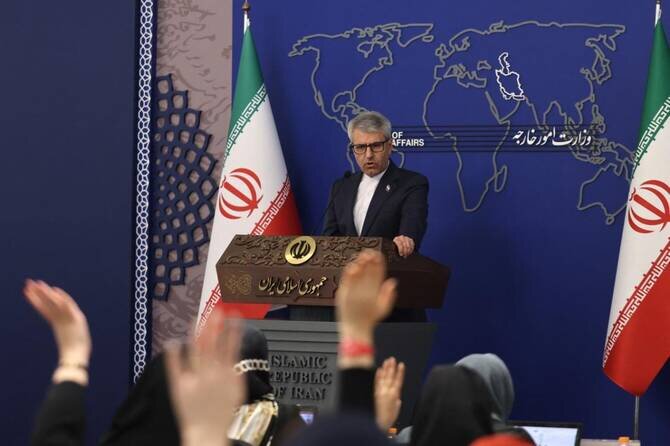
Peace efforts led by Pakistan have resulted in a revised proposal from Iran aimed at ending the ongoing war in the Middle East.
According to a Pakistani source who spoke with Reuters on Monday, this development comes as both sides acknowledge that there isn't much time left to bridge their differences.
The fragile ceasefire currently in place has been in effect since April, following six weeks of war triggered by US-Israeli airstrikes on Iran.
However, talks mediated by Pakistan have stalled, and US President Donald Trump has described the ceasefire as 'on life support.'The Pakistani source provided no specifics about the revised Iranian proposal.
When asked if it would take time to address the gaps between the proposals, they noted that both parties keep moving their "goalposts" and stressed the urgency of the situation.
The current impasse in negotiations revolves around several key issues, including Iran's nuclear program, compensation for war damages, the lifting of a US blockade on Iranian ports, and a cessation of hostilities across all fronts, such as in Lebanon where Israel is engaged in conflict with the Iran-backed Hezbollah militia.In response to these developments, Trump recently posted on Truth Social, warning Iran that 'the Clock is Ticking' and emphasizing the urgency for them to act swiftly to avoid further repercussions.
He is expected to meet with top national security advisers on Tuesday to discuss potential options for resuming military action, according to Axios.
The stalled negotiations also involve complex issues like Iran's nuclear ambitions, which the US and other global powers want to ensure do not lead to the development of nuclear weapons.
Tehran has consistently denied such intentions.As tensions persist, hostilities have been somewhat scaled down since the ceasefire took effect in April, although drones from Iran continue to be launched toward countries in the Gulf that host US military bases.
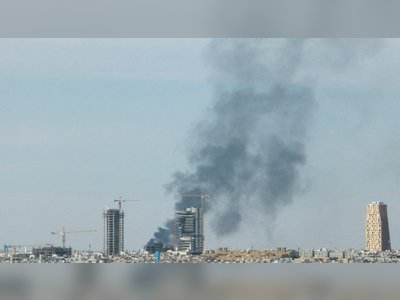
For instance, a drone strike caused a fire at a nuclear power plant in the United Arab Emirates, and Saudi Arabia has reported intercepting three drones.The recent uptick in attacks by Iran follows Trump's announcement of a naval mission aimed at opening the Strait of Hormuz, which led to increased global share market volatility and higher oil prices.
Bond yields have also risen due to inflation worries triggered by these developments.
The disruption to shipping through the Strait of Hormuz has resulted in the largest oil supply crisis in history, with crude prices increasing by 50 percent or more.Amidst these mounting challenges, some White House officials express concern that Trump's handling of foreign policy and its implications on gasoline prices could negatively impact Republican chances of maintaining control over Congress in the upcoming midterm elections.
This comes at a time when many voters are more concerned about living costs than international conflicts.
According to a Pakistani source who spoke with Reuters on Monday, this development comes as both sides acknowledge that there isn't much time left to bridge their differences.
The fragile ceasefire currently in place has been in effect since April, following six weeks of war triggered by US-Israeli airstrikes on Iran.
However, talks mediated by Pakistan have stalled, and US President Donald Trump has described the ceasefire as 'on life support.'The Pakistani source provided no specifics about the revised Iranian proposal.
When asked if it would take time to address the gaps between the proposals, they noted that both parties keep moving their "goalposts" and stressed the urgency of the situation.
The current impasse in negotiations revolves around several key issues, including Iran's nuclear program, compensation for war damages, the lifting of a US blockade on Iranian ports, and a cessation of hostilities across all fronts, such as in Lebanon where Israel is engaged in conflict with the Iran-backed Hezbollah militia.In response to these developments, Trump recently posted on Truth Social, warning Iran that 'the Clock is Ticking' and emphasizing the urgency for them to act swiftly to avoid further repercussions.
He is expected to meet with top national security advisers on Tuesday to discuss potential options for resuming military action, according to Axios.
The stalled negotiations also involve complex issues like Iran's nuclear ambitions, which the US and other global powers want to ensure do not lead to the development of nuclear weapons.
Tehran has consistently denied such intentions.As tensions persist, hostilities have been somewhat scaled down since the ceasefire took effect in April, although drones from Iran continue to be launched toward countries in the Gulf that host US military bases.
For instance, a drone strike caused a fire at a nuclear power plant in the United Arab Emirates, and Saudi Arabia has reported intercepting three drones.The recent uptick in attacks by Iran follows Trump's announcement of a naval mission aimed at opening the Strait of Hormuz, which led to increased global share market volatility and higher oil prices.
Bond yields have also risen due to inflation worries triggered by these developments.
The disruption to shipping through the Strait of Hormuz has resulted in the largest oil supply crisis in history, with crude prices increasing by 50 percent or more.Amidst these mounting challenges, some White House officials express concern that Trump's handling of foreign policy and its implications on gasoline prices could negatively impact Republican chances of maintaining control over Congress in the upcoming midterm elections.
This comes at a time when many voters are more concerned about living costs than international conflicts.