Shadow Conflict in the Gulf: Claims of Covert Strikes Raise Tensions With Iran
Allegations of Saudi and UAE involvement in clandestine operations against Iran highlight a widening regional security system built on deterrence, denial, and escalating proxy pressure
SYSTEM-DRIVEN
The central driver of this story is the evolving regional security system in the Gulf, where Iran and several Arab states operate within a framework of deterrence, proxy conflict, and covert pressure rather than direct open warfare.
The key issue is the gradual erosion of an uneasy coexistence shaped by competing security strategies, intelligence operations, and indirect military actions.
What is confirmed is that Iran’s relationships with Gulf Arab states, including Saudi Arabia and the United Arab Emirates, have long been defined by strategic rivalry layered with periodic diplomatic engagement.
These states share economic and geographic proximity but diverge sharply on regional influence, security architecture, and alignment in conflicts across the Middle East, including Yemen, Syria, and Iraq.
The narrative referenced in this story centers on claims that Saudi Arabia and the UAE have conducted or supported covert strikes or operations targeting Iranian interests.
These claims form part of a broader pattern of regional information warfare and intelligence competition.
However, the specific operational details, scope, and direct attribution of such actions have not been independently established in a way that can be treated as verified fact.
The mechanism behind these dynamics is the long-standing use of indirect engagement between regional powers.
Rather than entering direct state-to-state military confrontation, actors in this system rely on a combination of cyber operations, intelligence collaboration, support for aligned non-state groups, and occasional covert kinetic actions.
This structure allows states to pursue strategic objectives while maintaining plausible deniability and limiting escalation risks.
The stakes are shaped by geography and energy security.
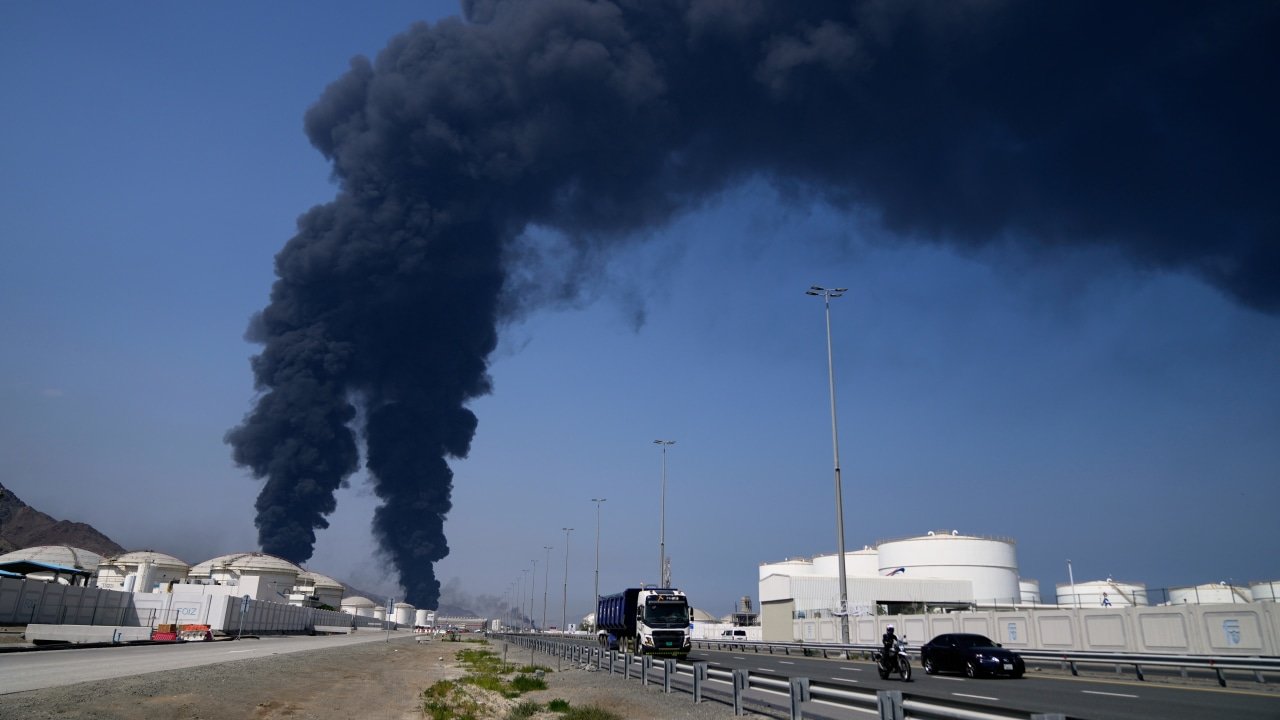
The Gulf region contains critical global oil supply routes, and any sustained escalation between Iran and Gulf Arab states carries potential consequences for maritime security in the Strait of Hormuz and wider energy markets.
As a result, even limited covert actions can produce outsized diplomatic and economic effects.
Over time, this system has oscillated between confrontation and managed de-escalation.
Diplomatic openings have periodically emerged, including attempts to restore formal relations and reduce regional tensions.
At the same time, competing security priorities and ongoing conflicts in neighboring states continue to generate friction points that can destabilize these agreements.
The claims of covert strikes, whether fully substantiated or not, reflect a broader reality in which regional actors increasingly interpret security through preemptive and layered defense strategies.
This includes shaping adversary behavior through indirect pressure rather than waiting for overt escalation.
In such an environment, attribution becomes politically sensitive and often contested, complicating accountability and verification.
The broader implication is that the Gulf security order is no longer defined solely by formal diplomacy between states, but by an overlapping system of visible negotiations and invisible competition.
Even when official channels remain open, parallel structures of intelligence activity and proxy engagement continue to shape the strategic environment.
The current trajectory reinforces a durable condition in which coexistence is maintained not through trust, but through calibrated pressure, deterrence signaling, and controlled ambiguity that prevents full-scale confrontation while preserving strategic rivalry.
The central driver of this story is the evolving regional security system in the Gulf, where Iran and several Arab states operate within a framework of deterrence, proxy conflict, and covert pressure rather than direct open warfare.
The key issue is the gradual erosion of an uneasy coexistence shaped by competing security strategies, intelligence operations, and indirect military actions.
What is confirmed is that Iran’s relationships with Gulf Arab states, including Saudi Arabia and the United Arab Emirates, have long been defined by strategic rivalry layered with periodic diplomatic engagement.
These states share economic and geographic proximity but diverge sharply on regional influence, security architecture, and alignment in conflicts across the Middle East, including Yemen, Syria, and Iraq.
The narrative referenced in this story centers on claims that Saudi Arabia and the UAE have conducted or supported covert strikes or operations targeting Iranian interests.
These claims form part of a broader pattern of regional information warfare and intelligence competition.
However, the specific operational details, scope, and direct attribution of such actions have not been independently established in a way that can be treated as verified fact.
The mechanism behind these dynamics is the long-standing use of indirect engagement between regional powers.
Rather than entering direct state-to-state military confrontation, actors in this system rely on a combination of cyber operations, intelligence collaboration, support for aligned non-state groups, and occasional covert kinetic actions.
This structure allows states to pursue strategic objectives while maintaining plausible deniability and limiting escalation risks.
The stakes are shaped by geography and energy security.
The Gulf region contains critical global oil supply routes, and any sustained escalation between Iran and Gulf Arab states carries potential consequences for maritime security in the Strait of Hormuz and wider energy markets.
As a result, even limited covert actions can produce outsized diplomatic and economic effects.
Over time, this system has oscillated between confrontation and managed de-escalation.
Diplomatic openings have periodically emerged, including attempts to restore formal relations and reduce regional tensions.
At the same time, competing security priorities and ongoing conflicts in neighboring states continue to generate friction points that can destabilize these agreements.
The claims of covert strikes, whether fully substantiated or not, reflect a broader reality in which regional actors increasingly interpret security through preemptive and layered defense strategies.
This includes shaping adversary behavior through indirect pressure rather than waiting for overt escalation.
In such an environment, attribution becomes politically sensitive and often contested, complicating accountability and verification.
The broader implication is that the Gulf security order is no longer defined solely by formal diplomacy between states, but by an overlapping system of visible negotiations and invisible competition.
Even when official channels remain open, parallel structures of intelligence activity and proxy engagement continue to shape the strategic environment.
The current trajectory reinforces a durable condition in which coexistence is maintained not through trust, but through calibrated pressure, deterrence signaling, and controlled ambiguity that prevents full-scale confrontation while preserving strategic rivalry.