
French Judge to Examine Complaints Targeting Saudi Crown Prince Over Khashoggi Killing
Legal filings in France seek scrutiny of Mohammed bin Salman’s alleged responsibility for the 2018 murder of journalist Jamal Khashoggi, testing limits of jurisdiction over foreign leaders
ACTOR-DRIVEN
The central driver of this story is a set of legal complaints brought in France that target Saudi Crown Prince Mohammed bin Salman in connection with the 2018 killing of journalist Jamal Khashoggi.
The key issue is whether a French judicial authority can examine allegations involving a foreign head of state or de facto ruler for actions tied to a politically sensitive assassination that took place outside France.
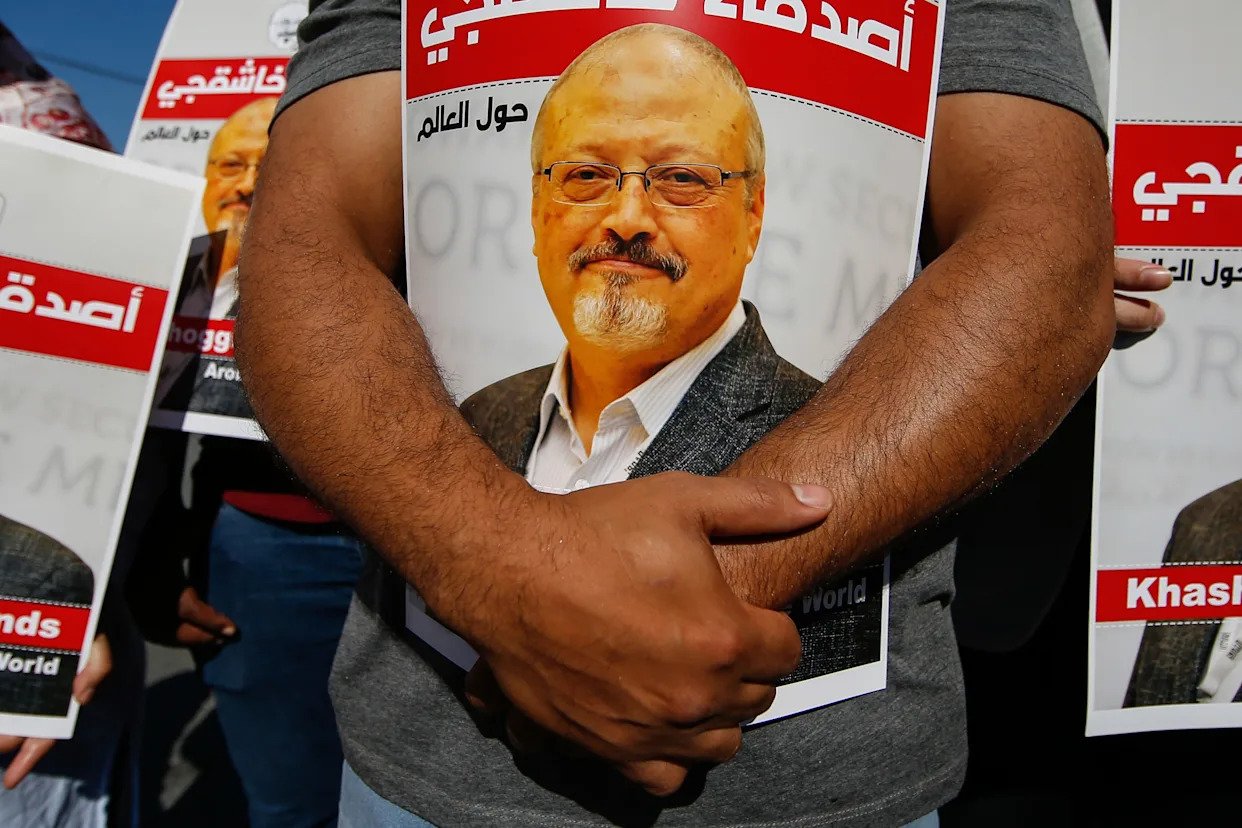
What is confirmed at the core of the case is that Jamal Khashoggi, a Saudi journalist and critic of the Saudi government, was killed inside the Saudi consulate in Istanbul in October 2018. Investigations by multiple governments and intelligence assessments have concluded that the killing was carried out by a team of Saudi operatives.
The Saudi government has acknowledged responsibility for the operation but has denied that the crown prince personally ordered the killing.
The new legal development is that complaints have been filed in France seeking judicial scrutiny of Mohammed bin Salman’s alleged responsibility.
Under the French legal system, such complaints can prompt an investigating judge to assess whether there is legal jurisdiction and whether the matter can proceed.
The immediate procedural question is not guilt or innocence, but admissibility: whether French courts can engage with allegations involving a foreign state leader for conduct committed abroad.
The mechanism behind this type of legal action is rooted in the principle of universal jurisdiction claims and extraterritorial accountability efforts.
These legal strategies attempt to extend judicial reach beyond national borders in cases involving alleged grave human rights violations.
However, in practice, they are constrained by diplomatic immunity rules, political considerations, and the legal protections afforded to sitting heads of state and senior government officials.
The stakes are significant because Mohammed bin Salman is not only the crown prince but also Saudi Arabia’s de facto ruler, controlling national security policy, foreign affairs direction, and economic transformation programs.
Any judicial move in a European jurisdiction involving him would carry immediate diplomatic implications, potentially affecting bilateral relations, investment flows, and ongoing cooperation on security and energy policy.
At the same time, the Khashoggi case remains one of the most politically sensitive international incidents of the past decade.
It continues to shape perceptions of Saudi Arabia’s global standing and is frequently referenced in debates about accountability for state-linked violence against journalists.
The persistence of legal attempts in multiple jurisdictions reflects ongoing efforts by human rights advocates and legal actors to test the boundaries of accountability mechanisms for high-level political figures.
The legal constraints are central to understanding the likely trajectory.
Even if a French judge agrees to examine the complaints, the ability to proceed toward any form of prosecution or formal charges would face significant procedural barriers, particularly those related to immunity doctrines and state sovereignty principles embedded in international law practice.
The broader implication is that the case illustrates a recurring tension in modern international justice: the gap between globalized human rights claims and the limited enforcement reach of national courts when confronted with powerful foreign officials.
France’s judiciary is now positioned as one of several arenas where that tension is being tested through formal legal filings linked to one of the most consequential political killings of recent history.
The immediate next step is procedural review by the judiciary, which will determine whether the complaints can move forward within France’s legal framework or be dismissed on jurisdictional or immunity grounds.
The central driver of this story is a set of legal complaints brought in France that target Saudi Crown Prince Mohammed bin Salman in connection with the 2018 killing of journalist Jamal Khashoggi.
The key issue is whether a French judicial authority can examine allegations involving a foreign head of state or de facto ruler for actions tied to a politically sensitive assassination that took place outside France.
What is confirmed at the core of the case is that Jamal Khashoggi, a Saudi journalist and critic of the Saudi government, was killed inside the Saudi consulate in Istanbul in October 2018. Investigations by multiple governments and intelligence assessments have concluded that the killing was carried out by a team of Saudi operatives.
The Saudi government has acknowledged responsibility for the operation but has denied that the crown prince personally ordered the killing.
The new legal development is that complaints have been filed in France seeking judicial scrutiny of Mohammed bin Salman’s alleged responsibility.
Under the French legal system, such complaints can prompt an investigating judge to assess whether there is legal jurisdiction and whether the matter can proceed.
The immediate procedural question is not guilt or innocence, but admissibility: whether French courts can engage with allegations involving a foreign state leader for conduct committed abroad.
The mechanism behind this type of legal action is rooted in the principle of universal jurisdiction claims and extraterritorial accountability efforts.
These legal strategies attempt to extend judicial reach beyond national borders in cases involving alleged grave human rights violations.
However, in practice, they are constrained by diplomatic immunity rules, political considerations, and the legal protections afforded to sitting heads of state and senior government officials.
The stakes are significant because Mohammed bin Salman is not only the crown prince but also Saudi Arabia’s de facto ruler, controlling national security policy, foreign affairs direction, and economic transformation programs.
Any judicial move in a European jurisdiction involving him would carry immediate diplomatic implications, potentially affecting bilateral relations, investment flows, and ongoing cooperation on security and energy policy.
At the same time, the Khashoggi case remains one of the most politically sensitive international incidents of the past decade.
It continues to shape perceptions of Saudi Arabia’s global standing and is frequently referenced in debates about accountability for state-linked violence against journalists.
The persistence of legal attempts in multiple jurisdictions reflects ongoing efforts by human rights advocates and legal actors to test the boundaries of accountability mechanisms for high-level political figures.
The legal constraints are central to understanding the likely trajectory.
Even if a French judge agrees to examine the complaints, the ability to proceed toward any form of prosecution or formal charges would face significant procedural barriers, particularly those related to immunity doctrines and state sovereignty principles embedded in international law practice.
The broader implication is that the case illustrates a recurring tension in modern international justice: the gap between globalized human rights claims and the limited enforcement reach of national courts when confronted with powerful foreign officials.
France’s judiciary is now positioned as one of several arenas where that tension is being tested through formal legal filings linked to one of the most consequential political killings of recent history.
The immediate next step is procedural review by the judiciary, which will determine whether the complaints can move forward within France’s legal framework or be dismissed on jurisdictional or immunity grounds.