Arab Press

بالشعب و للشعب
Monday, Jul 13, 2026

What is shrinkflation, skimpflation and stagflation?

What is shrinkflation, skimpflation and stagflation?

Have you been out to your favourite restaurant, only to discover the food wasn’t quite as good or the portions were much smaller? Or even eating at home has become more expensive as the supermarket shop adds up?

You may have also just discovered that your Amazon Prime membership is about to get a little more expensive and if you are in the United Kingdom, a McDonald’s cheeseburger is also going up for the first time in more than 14 years.

The feeling that everything is just a little bit worse and perhaps more costly is not unfounded with the blame largely being placed on inflation.

But what exactly is it and the other terms that are being waved around, such as shrinkflation, skimpflation and stagflation?

Euronews Next breaks down what exactly these words mean.


Inflation


Many countries are dealing with the effects of inflation, now at a 40-year high. What that means is that you get less bang for your buck and you are now getting even less value on goods.

Basically, prices go up when there are shortages and/or there is a large demand for goods or services.

The most current example is Amazon choosing to raise the cost of its Prime membership, a decision it blamed on inflation.

Inflation is measured by how expensive goods and services have become over a certain period of time, usually a year. One well-known indicator is the Consumer Price Index, which measures the percentage change in the price of a basket of goods and services consumed by households.

Moderate inflation is considered normal but significant spikes can mean the cost of living can suddenly become much higher.

The feeling that everything is just a little bit worse and perhaps more costly is not unfounded with the blame largely being placed on inflation.


The reason why inflation is so high at the moment is due to a perfect storm of economic woes as the International Monetary Fund (IMF) on Tuesday dubbed the world’s economic outlook “gloomy and more uncertain”.

Many have blamed the world's financial problems on the impact of Russia’s invasion of Ukraine, which has consequentially ramped up petrol and food prices and seen shortages of staple goods.

But even before the war in Ukraine broke out in February, the coronavirus pandemic meant factory shutdowns and also logistical hurdles in export hubs such as China causing supply chain issues and shortages. This ramped up the prices of goods and the cost to transport them.


Shrinkflation


If you are a Swiss chocolate fan, you may remember when Toblerone in 2016 looked a bit different; it no longer resembled the Alps and had the gaps between triangles widened.
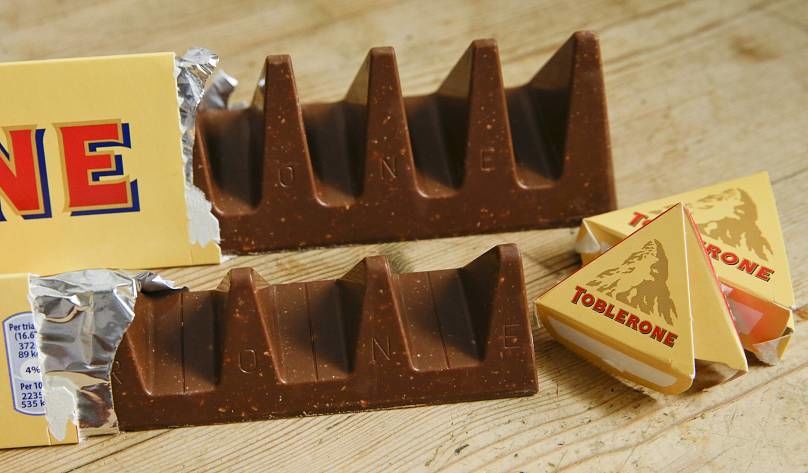
File- More valleys, fewer chocolate peaks


While the cost of the chocolate bar did not go up, it shrank from a net weight of 170 grams to 150 grams.

This is a classic case of what is called “shrinkflation,” when the volume or size of a product shrinks.

It can be seen as a little more sneaky, as consumers are less likely to weigh a product and notice the difference compared to a price hike.


Skimpflation


“Skimpflation” on the other hand is when companies “skimp” on the quality of the product or service.

One of the main reasons this happens is because companies cut back on the quality of the service so it can still be profitable, meaning less money for staffing or materials are cut back on.


Recession


If stagflation is defined as a recession accompanied by inflation, then it is important to know what a recession is.

While the word can cause alarm, recessions are a natural part of the economic cycle. A recession is defined by two successive quarters having contracting gross domestic product (GDP) results.

But issues arise if low growth is combined with unemployment or high inflation, in what is known as stagflation, which is much rarer.


Stagflation


Another word being floated around at the moment is “stagflation”. As the name suggests, everything remains stagnant and does not move much.

In economic terms, it means high inflation, economic stagnation and high unemployment at the same time. Stagflation can happen if there is a recession before the rate of inflation has gone down to where central banks want it to be.
Many countries are dealing with the effects of inflation, now at a 40-year high.


The term is said to have been widely used in the 1970s after a recession in the US hit hard and was accompanied by inflation.

The period of stagflation in the 1970s and 1980s saw several recessions and weak economic growth. It ended after the US’s national bank, the Federal Reserve, raised interest rates to curb inflation.

Newsletter

Related Articles

Arab Press
0:00
0:00
Close
World Cup Visitors Turn American Big-Box Stores Into Souvenir Stops
Netflix Weighs Always-On Channels, Bundles and Short-Form Video
The AI Invoice Shock: Layoffs Didn't Save Managers Money — They Cost Them More
Concern: Sexually Transmitted Bacterium Among Men Develops Antibiotic Resistance
Passenger Partially Pulled Out of Ryanair Jet After Cabin Window Fails Mid-Flight
Severe Heatwave Drives Dangerous Ground-Level Ozone Pollution Across Two Thirds of European Union
The Physical and Electronic Barriers Disrupting Domestic Wireless Networks
France and Morocco Open World Cup Quarter-Finals as Collina Defends Refereeing
Tech Pulse: The Future of AI and Screen Culture
Global News Briefing: Escalating Geopolitical Tensions and Corporate Shakeups
Global News Brief: Escalating Conflicts, Public Health Crises, and World Cup Drama
Europe's Growing Struggle with Extreme Heat and Air Conditioning
Anthropic Reengineers Agentic Architecture to Shift Autonomous Workplace Automation to the Cloud
Logic Flaw in Windows 11 Permission Architecture Silently Consumes Hundreds of Gigabytes of Local Storage
Apple Advances Late-Stage Operating Systems with Fourth Beta Deployments
Global Crisis Alert: Escalating Middle East Tensions and UK Political Upheaval
Japanese Technology Firm Fujitsu Launches Advanced Artificial Intelligence Tool for Corporate Disclosures
South Africa Officially Launches Nationwide Campaign for Highly Contested Local Government Elections
United Kingdom Commits Additional Funding for Unexploded Ordnance Clearance in Laos
Singapore Announces Stringent New Greenhouse Gas Regulations for Commercial Cooling Systems
Cambodia and Thailand Hold High-Level Border Security Talks at United Nations Headquarters
Myanmar Military Government and China Sign Major Agreement to Upgrade Media and Cultural Cooperation
Knife Attack at Swiss Train Station Leaves Three Injured in Suspected Act of Domestic Terrorism
Transnational Extortion Gang Threatens Canadian Police With Army of One Thousand Armed Operatives
Australia Imposes Forty-Two-Day Quarantine on Cruise Ship Passengers Following Deadly Hantavirus Outbreak
International Monetary Fund Unlocks Seven Hundred Million United States Dollars for Sri Lanka Following Economic Reforms
Australia Launches Record One Point Four Billion Dollar Lawsuit Against Chemical Giant 3M Over Contamination
China and Canada Foreign Ministers Meet in Ottawa in Effort to Stabilize Strained Diplomatic Ties
Indonesia Demands Urgent United Nations Security Council Reform Amid Escalating Global Conflicts
Extreme Weather Patterns Trigger Severe Drought in Madagascar and Destructive Flooding in East Africa
Indian State of Karnataka Faces Political Upheaval as Chief Minister Siddaramaiah Abruptly Resigns
Philippines and Japan Reaffirm Defense Ties as Crucial for Indo-Pacific Regional Stability
Norway Joins French Nuclear Deterrence Initiative in Major Shift for European Security Architecture
Global Critical Mineral Alliances Expand as Western Nations Move to Counter Chinese Supply Dominance
United States Imposes Fifty Percent Tariffs on Mexican Steel and Aluminum Ahead of Trade Pact Review
European Union and China Head Toward Major Trade Conflict Over Clean Technology Exports
United States Economic Growth Severely Downgraded to One Point Six Percent as Stagflation Fears Mount
World Health Organization Warns Central African Ebola Epidemic is Outpacing Containment Efforts
United States Treasury Department Conditions Sanctions Relief on Reopening of the Strait of Hormuz
Iranian Air Defenses Intercept and Destroy United States Military Drone Over Bushehr Province
Iranian Armed Forces Launch Ballistic Missiles Toward Unspecified Targets Prompting Regional Condemnation
United Nations Secretary-General Warns Global Order Facing Highest Level of Conflict Since 1945
Israel Issues Sweeping Evacuation Orders in Southern Lebanon Amid Intensified Hezbollah Conflict
Russia Announces Systemic Military Strikes Targeting Ukrainian Defense and Energy Infrastructure
United States and Iranian Negotiators Reach Draft Agreement to Extend Ceasefire and Resume Nuclear Talks
United Nations Security Council Deeply Divided Over United States Capture of Venezuelan President
US and Iran Exchange Direct Military Strikes Amid Fragile Gulf Ceasefire
World Health Organization Warns of Catastrophic Ebola Outbreak in DR Congo
Russia Threatens New Wave of Strikes on Ukrainian Infrastructure and Embassies
Scientists Warn Atlantic Ocean Currents Could Collapse Faster Than Projected
×