Arab Press

بالشعب و للشعب
Saturday, Mar 14, 2026

Which countries plan to offer remote working as a legal right?

Which countries plan to offer remote working as a legal right?

We take a look at which countries in Europe plan to rework their labour legislation to support hybrid working as a result of COVID.

In the space of less than two years, remote working has become commonplace for millions of Europeans.

Around 5 per cent of us were regularly working from home pre-pandemic; in some countries, this number more than quadrupled in the past 18 months.

Finland, Luxembourg, and Ireland have the highest share of remote workers in the continent, with over 20 per cent of people still in jobs that either give them the option to work from home.

The majority of businesses wouldn’t have survived COVID-19 without the aid of remote digital infrastructure.

Now, questions are being raised about the laws businesses should abide by to accommodate flexible working, given its popularity in some industries. A poll conducted earlier this year by Slack found that almost a third of UK workers would be less inclined to apply for a job if remote working wasn’t an option.

Portugal has led the way on this matter, with the publication of their “Green Paper on the Future of Work” that outlines measures for remote and hybrid working to be offered as an automatic provision by employers.

Their deputy secretary of state for labour, Miguel Cabrita, urged EU countries to move fast with plans to regulate remote working, saying quick action will maximise opportunities and minimise risks.

Critics have argued this will cause “corporate chaos” for years to come.

Which countries offer remote working as a legal right?
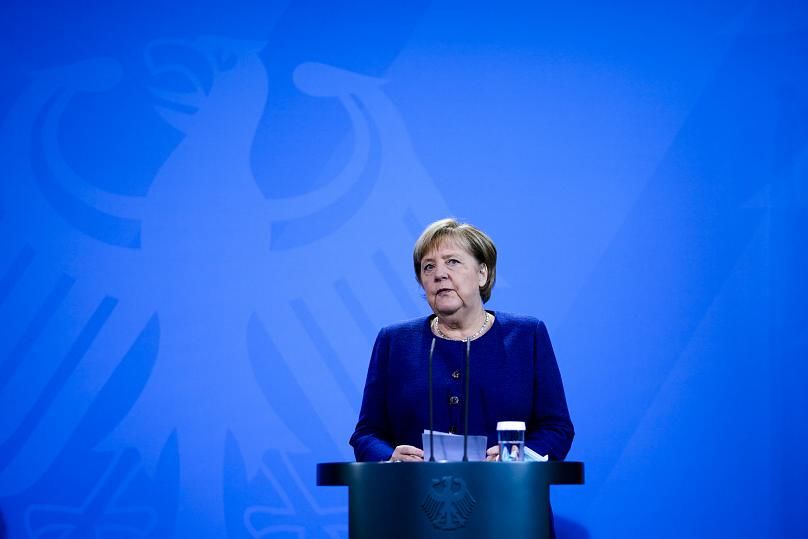
Angela Merkel's government have reworked their labour laws around home working

Germany


Germany is an outlier in this discussion as the only country in Europe to have formally cemented long-term intentions in new laws. Last January, it became mandatory for workplaces to offer staff the opportunity to work from home as long as there were “no compelling operational reasons for not doing so”.

This is being offered as an option, rather than an obligation, for all workforces to stay put inside their homes. Employers are also being encouraged to offer flexible hours as Germany’s fight against COVID-19 continues.

Businesses that do not comply may be contacted by their local authority and asked to explain their reasons for not doing so.

Portugal


Portugal was the first country in Europe to set in motion a temporary legal “regime” for remote working. However, these will only last as long as they consider themselves to be in a state of emergency, which is expected to last until the end of this year at least.

Provisions that have been in force since January 2021 include: mandatory remote working providing the employee’s duties and living conditions allow it, where the employer must provide the necessary equipment to complete the work.

Breaches of adopting the regime are considered “very serious misconduct” with fines between €2,040 and €61,200, regardless of business size.

Which countries plan to offer remote working as a legal right?

Dublin, Ireland is Europe's epicentre of large tech companies with flexible working policies


Introducing new legislation can be a lengthy process.

For this reason, the rest of the answer to this question is less about what countries have done, and rather what they could do.

Ireland


Ireland’s large proportion of remote workers has seen them become a driving force in new plans to offer flexible working choices.

The Irish government plans to make hybrid working available to all people in relevant industries by next year.

From then on, your boss will need a very good excuse to decline a request to work from home, and all public service workers will be encouraged to spend up to 20 per cent of their time outside the office by default.

There will also be new requirements in place for your company to provide and pay for safe and suitable equipment for the home office.

Russia


Russia is currently focused on material support for remote workers. Employers must provide remote workers with the necessary equipment and means to fulfil their work duties if they choose to work from home.

This can include reimbursement for software, office chairs, and desks.

UK


The United Kingdom’s plans for regulating home working are a little more vague. The Guardian reported in June that Downing Street is “considering legislating to make working from home the default option by giving employees the right to request it”.

Wildly different opinions from business lobby groups have derailed the process and there is ongoing uncertainty surrounding what details the laws should cover.

France


France famously implemented measures to create work-life boundaries in their “right to disconnect” labour laws back in 2016, but this isn’t quite the same.

Remote working is not offered in job descriptions by default, but like Germany, employers in France must come up with a good reason for saying no.

Spain and Greece have also tabled plans to remodel their labour legislation around remote working, according to media reports.

Newsletter

Related Articles

Arab Press
0:00
0:00
Close
Strait of Hormuz Crisis Forces Saudi Arabia Into Major Oil Production Shut-In
Saudi Arabia Slashes Oil Output as Strait of Hormuz Crisis Cuts Deep Into Gulf Revenues
Saudi Arabia’s Cultural Scene Presses Ahead as Nation Navigates Regional War
Saudi-Pakistan Defence Pact Faces Real-World Constraints as Iran War Escalates
Saudi Arabia Offers Two Million Barrels of Crude From Red Sea as War Disrupts Gulf Exports
Formula One Faces Tens of Millions in Lost Revenue if Bahrain and Saudi Arabia Races Are Cancelled
Formula One Set to Cancel Bahrain and Saudi Arabian Grands Prix Amid Escalating Middle East War
Saudi Arabia Downs Dozens of Iranian Drones in Major Defensive Operation
Saudi Arabia Cuts Oil Output by About Twenty Percent as Iran War Disrupts Gulf Energy Flows
Formula One Set to Cancel Bahrain and Saudi Arabian Grands Prix Amid Escalating Iran War
Asian Energy Security Tested as Strait of Hormuz Disruption Threatens Oil Supplies
Iran Sets Three Conditions for Ending Regional War as Diplomatic Efforts Intensify
Saudi Arabia Launches Royal Institute of Anthropology to Examine Social Transformation
Pakistan’s Prime Minister Shehbaz Sharif Arrives in Saudi Arabia for High-Level Talks
Saudi Aramco Turns to Ukrainian Drone Interceptors to Shield Oil Infrastructure from Iranian Threats
UK Foreign Secretary Travels to Saudi Arabia to Reinforce Support for Regional Allies
Rising Iran Conflict Casts Shadow Over Saudi Arabia’s $38 Billion Gaming Industry Ambitions
Iran Launches Missile and Drone Strikes Across Gulf as Oil Prices Surge Past $100
Saudi Air Defences Destroy Three Drones Targeting Strategic Shaybah Oil Field
Debate Grows Over Saudi Arabia’s Role in Sudan War Amid US Alliance Questions
Pakistan’s Prime Minister Travels to Saudi Arabia After Discussions With Iranian Leadership
Two Strategic Pipelines Allow Saudi Arabia and the UAE to Bypass the Strait of Hormuz
US Deploys Bunker-Buster Bombs to UK Airbase as Iran Conflict Intensifies
Iran warns of $200 oil as forces target merchant ships in Gulf
Japan to Release 45 Days of Oil Reserves Amid Iran Conflict
Three Commercial Vessels Attacked Near Strait of Hormuz, Thai-Flagged Ship Damaged and Crew Evacuated
Saudi Red Sea Oil Exports Set for Record in March as Kingdom Reroutes Crude Amid Hormuz Crisis
Saudi Arabia Seeks Belgian Military Support After Iranian Missile Attacks
Saudi Arabia Welcomes US Decision to Designate Sudan’s Muslim Brotherhood as Terrorist Organisation
Saudi Aramco Plans Dual Gulf and Red Sea Export Routes as Iran Crisis Disrupts Oil Shipments
Saudi Cabinet Condemns Iranian Attacks and Reaffirms Kingdom’s Right to Defend Its Sovereignty
Ukraine Deploys Counter-Drone Teams to Gulf States as Iranian Drone Threat Expands
Bahrain Grand Prix Faces Uncertainty as Saudi Arabia Works to Keep Formula One Race on Track
Saudi Arabia Faces New Strategic Dilemma in Yemen as Regional War Reshapes Calculations
OPEC Confirms Saudi-Led Oil Output Increase as Iran War Disrupts Global Energy Markets
Pakistan Pledges Rapid Support for Saudi Arabia Amid Escalating Middle East Tensions
Global Energy Agency Announces Record Release of 400 Million Barrels to Stabilize Oil Markets Amid Hormuz Disruption
Aramco Warns Global Oil Market Faces ‘Catastrophic’ Shock if Strait of Hormuz Remains Closed
Iran Launches Drone and Missile Attacks Across Gulf Targets Including Saudi Arabia, Kuwait and Bahrain
Saudi Arabia Elevates Fahad Al-Saif as Vision 2030 Enters Crucial Implementation Phase
Saudi Aramco Expands Routes to Move Oil Without Reliance on the Strait of Hormuz
Saudi Arabia and Pakistan Reaffirm Mutual Defense Cooperation Following Iran Strike
Saudi Arabia Plans Major Ukrainian Arms Deal to Counter Iranian Drone Threat
Pentagon Signals Intensification of U.S. Air Campaign as Iran Conflict Escalates
U.S. Senator Lindsey Graham Raises Prospect of Mutual Defense Pact With Saudi Arabia Amid Iran Conflict
Why Saudi Arabia Is Unlikely to Have Wanted U.S. Airstrikes on Iran
Saudi Arabia’s Red Sea Oil Exports Set to Reach Record High as Gulf Routes Face Disruption
Saudi Arabia Pushes East–West Oil Pipeline Toward Full Capacity as Hormuz Crisis Disrupts Global Energy Flows
Oil Prices Retreat From Peak as G7 Weighs Release of Strategic Reserves
×