Allegations of Saudi Retaliatory Strikes on Iran Point to Deepening Shadow War
Unverified claims of direct Saudi action against Iran emerge amid a wider pattern of covert conflict, maritime disruption, and regional escalation risks.
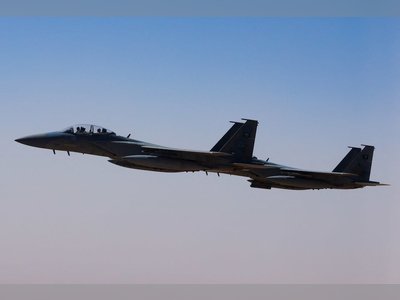
An emerging set of allegations suggests Saudi Arabia conducted retaliatory strikes against Iran during a period of heightened regional conflict, but the claims remain unverified and have not been independently confirmed by public evidence or official disclosure.
What is confirmed is that the Middle East has been experiencing a sustained phase of indirect confrontation involving Iran and several regional and external actors, marked by maritime incidents, drone attacks, and strikes attributed to a range of unidentified or contested sources.
The reported claims of Saudi retaliatory action sit within this broader environment of escalating shadow conflict, where direct attribution is often unclear and operational details are deliberately obscured.
Such ambiguity is a defining feature of the current regional security landscape, where states frequently rely on deniability, intelligence operations, and proxy forces rather than open military engagement.
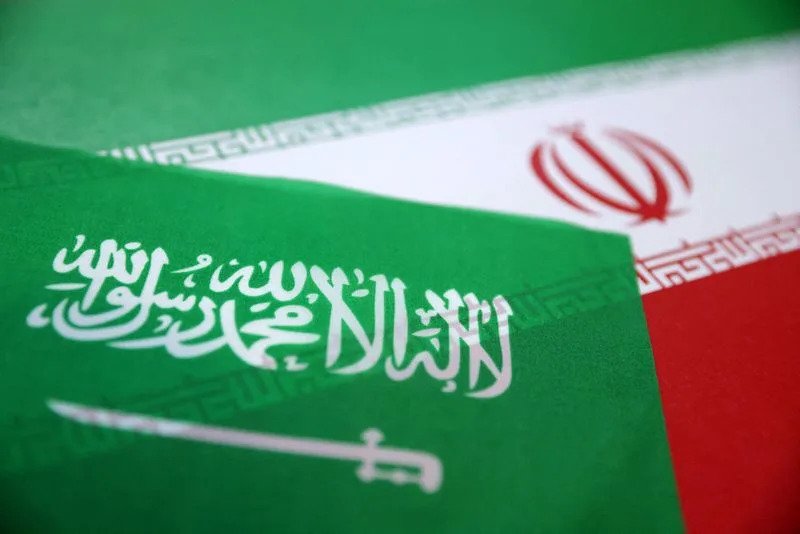
At the core of the regional dynamic is the long-standing strategic rivalry between Saudi Arabia and Iran, two major powers competing for influence across the Gulf and wider Middle East.
This competition has historically manifested through proxy conflicts in Yemen, Syria, and Iraq, as well as political and economic rivalry linked to energy markets and regional alliances.
In recent years, this rivalry has expanded into maritime security challenges in critical waterways, including the Strait of Hormuz, through which a significant share of global oil and gas flows.
The mechanism behind the current escalation pattern is not limited to conventional warfare but includes cyber operations, covert action, intelligence activity, and support for aligned non-state actors.
This makes verification of specific incidents difficult, as competing narratives often emerge faster than independently confirmed facts.
As a result, unverified claims can still influence diplomatic positioning and military readiness, even in the absence of corroboration.
The alleged Saudi strikes, if they were to be confirmed, would represent a significant escalation in the directness of state action between the two rivals.
However, in the absence of verification, the claims currently function more as part of the broader informational and psychological dimension of the conflict, where signaling and deterrence are as important as physical operations.
The implications of such allegations are nevertheless substantial.
Even unproven reports of direct state-on-state action can increase regional alert levels, affect energy market stability, and complicate diplomatic efforts aimed at de-escalation.
Global shipping routes remain sensitive to disruption, and any perceived widening of the conflict raises the risk premium attached to Middle East energy exports.
The broader strategic environment remains shaped by overlapping crises and intermittent ceasefires that have not resolved underlying tensions.
External powers continue to play a role in deterrence and security guarantees, while regional actors adjust their posture in response to perceived threats and opportunities.
In this context, information itself becomes a strategic tool, with uncertainty contributing to escalation dynamics as much as physical actions do.
The reported claims of Saudi retaliatory strikes, whether ultimately substantiated or not, reflect a region where conflict is increasingly conducted through layers of ambiguity, indirect action, and competing narratives, reinforcing a persistent state of high tension across Gulf security architecture.
What is confirmed is that the Middle East has been experiencing a sustained phase of indirect confrontation involving Iran and several regional and external actors, marked by maritime incidents, drone attacks, and strikes attributed to a range of unidentified or contested sources.
The reported claims of Saudi retaliatory action sit within this broader environment of escalating shadow conflict, where direct attribution is often unclear and operational details are deliberately obscured.
Such ambiguity is a defining feature of the current regional security landscape, where states frequently rely on deniability, intelligence operations, and proxy forces rather than open military engagement.
At the core of the regional dynamic is the long-standing strategic rivalry between Saudi Arabia and Iran, two major powers competing for influence across the Gulf and wider Middle East.
This competition has historically manifested through proxy conflicts in Yemen, Syria, and Iraq, as well as political and economic rivalry linked to energy markets and regional alliances.
In recent years, this rivalry has expanded into maritime security challenges in critical waterways, including the Strait of Hormuz, through which a significant share of global oil and gas flows.
The mechanism behind the current escalation pattern is not limited to conventional warfare but includes cyber operations, covert action, intelligence activity, and support for aligned non-state actors.
This makes verification of specific incidents difficult, as competing narratives often emerge faster than independently confirmed facts.
As a result, unverified claims can still influence diplomatic positioning and military readiness, even in the absence of corroboration.
The alleged Saudi strikes, if they were to be confirmed, would represent a significant escalation in the directness of state action between the two rivals.
However, in the absence of verification, the claims currently function more as part of the broader informational and psychological dimension of the conflict, where signaling and deterrence are as important as physical operations.
The implications of such allegations are nevertheless substantial.
Even unproven reports of direct state-on-state action can increase regional alert levels, affect energy market stability, and complicate diplomatic efforts aimed at de-escalation.
Global shipping routes remain sensitive to disruption, and any perceived widening of the conflict raises the risk premium attached to Middle East energy exports.
The broader strategic environment remains shaped by overlapping crises and intermittent ceasefires that have not resolved underlying tensions.
External powers continue to play a role in deterrence and security guarantees, while regional actors adjust their posture in response to perceived threats and opportunities.
In this context, information itself becomes a strategic tool, with uncertainty contributing to escalation dynamics as much as physical actions do.
The reported claims of Saudi retaliatory strikes, whether ultimately substantiated or not, reflect a region where conflict is increasingly conducted through layers of ambiguity, indirect action, and competing narratives, reinforcing a persistent state of high tension across Gulf security architecture.