Bahrain and Saudi Arabia’s Place in F1 2026 Calendar Reflects a Growing Geopolitical and Commercial Balance
As Formula One expands into new markets, long-term Gulf contracts and infrastructure investment keep Bahrain and Saudi Arabia central to the sport’s future schedule.
Formula One’s 2026 calendar strategy is being shaped by a structural tension between rapid global expansion and the stability of long-term hosting contracts, with Bahrain and Saudi Arabia remaining firmly embedded in the sport’s planning due to commercial agreements, infrastructure investments, and their strategic role in the championship’s Middle Eastern presence.
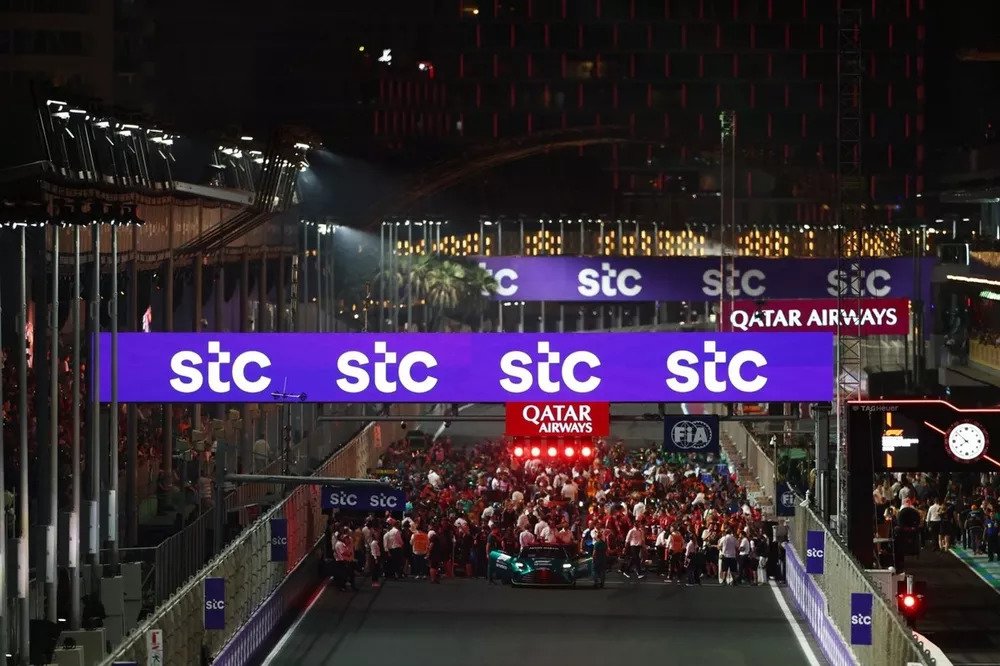
What is confirmed is that both Bahrain and Saudi Arabia have established themselves as recurring hosts on the Formula One calendar in recent years, with Bahrain serving as one of the sport’s most consistent early-season venues and Saudi Arabia hosting a street race in Jeddah that has become a key stop in the global championship rotation.
These events are not ad hoc additions; they are underpinned by multi-year contracts and significant state-backed investment in facilities, logistics, and global sports branding.
The system-level driver behind their continued inclusion is Formula One’s broader commercial model, which relies heavily on long-term hosting agreements rather than annual bidding cycles.
This structure gives venues contractual security while giving Formula One financial predictability and the ability to plan multi-year logistical and promotional frameworks.
In this context, Bahrain and Saudi Arabia are not marginal participants but structurally integrated components of the modern calendar.
At the same time, Formula One is undergoing a controlled expansion that is reshaping the distribution of races across regions.
New or returning venues in North America, Europe, and Asia are being layered onto an already dense calendar, forcing ongoing adjustments to maintain a balance between historic circuits, street races, and high-revenue destination events.
This expansion increases pressure on scheduling slots, but does not automatically displace established Gulf races because of their contractual protections and financial importance.
The Bahrain Grand Prix in Sakhir has also acquired additional strategic importance beyond race weekend operations.
The circuit is regularly used for pre-season testing, reinforcing its role as a logistical hub for teams and suppliers.
That function makes it more deeply embedded in the operational ecosystem of Formula One than a standard race venue, strengthening its position in calendar negotiations.
Saudi Arabia’s Jeddah Grand Prix, meanwhile, reflects a different model: a high-speed street circuit designed to combine sporting spectacle with national branding ambitions.
Its inclusion is tied to broader state-led investment in international sport as part of long-term economic diversification strategies.
The event’s continuation into future seasons reflects both contractual continuity and its role in expanding Formula One’s presence in the Middle East.
Speculation about 2026 calendar changes is driven by the sport’s ongoing effort to cap total race numbers while accommodating new venues such as Madrid and managing potential rotation models for European circuits.
However, established Gulf races are less exposed to rotational risk because they are tied to multi-year agreements and, in some cases, strategic infrastructure commitments that extend beyond the race itself.
The implications for teams and the sport are operational as much as geographical.
Stable Gulf scheduling reduces uncertainty in logistics planning, freight movement, and preseason preparation.
For Formula One Management, it also ensures continuity in two of its most financially significant hosting relationships, preserving revenue streams that underpin the sport’s global expansion strategy.
As the 2026 season approaches, Bahrain and Saudi Arabia remain not optional additions but structurally anchored fixtures in Formula One’s global framework, reflecting how modern Grand Prix hosting is increasingly determined by long-term commercial architecture rather than annual competitive selection.
What is confirmed is that both Bahrain and Saudi Arabia have established themselves as recurring hosts on the Formula One calendar in recent years, with Bahrain serving as one of the sport’s most consistent early-season venues and Saudi Arabia hosting a street race in Jeddah that has become a key stop in the global championship rotation.
These events are not ad hoc additions; they are underpinned by multi-year contracts and significant state-backed investment in facilities, logistics, and global sports branding.
The system-level driver behind their continued inclusion is Formula One’s broader commercial model, which relies heavily on long-term hosting agreements rather than annual bidding cycles.
This structure gives venues contractual security while giving Formula One financial predictability and the ability to plan multi-year logistical and promotional frameworks.
In this context, Bahrain and Saudi Arabia are not marginal participants but structurally integrated components of the modern calendar.
At the same time, Formula One is undergoing a controlled expansion that is reshaping the distribution of races across regions.
New or returning venues in North America, Europe, and Asia are being layered onto an already dense calendar, forcing ongoing adjustments to maintain a balance between historic circuits, street races, and high-revenue destination events.
This expansion increases pressure on scheduling slots, but does not automatically displace established Gulf races because of their contractual protections and financial importance.
The Bahrain Grand Prix in Sakhir has also acquired additional strategic importance beyond race weekend operations.
The circuit is regularly used for pre-season testing, reinforcing its role as a logistical hub for teams and suppliers.
That function makes it more deeply embedded in the operational ecosystem of Formula One than a standard race venue, strengthening its position in calendar negotiations.
Saudi Arabia’s Jeddah Grand Prix, meanwhile, reflects a different model: a high-speed street circuit designed to combine sporting spectacle with national branding ambitions.
Its inclusion is tied to broader state-led investment in international sport as part of long-term economic diversification strategies.
The event’s continuation into future seasons reflects both contractual continuity and its role in expanding Formula One’s presence in the Middle East.
Speculation about 2026 calendar changes is driven by the sport’s ongoing effort to cap total race numbers while accommodating new venues such as Madrid and managing potential rotation models for European circuits.
However, established Gulf races are less exposed to rotational risk because they are tied to multi-year agreements and, in some cases, strategic infrastructure commitments that extend beyond the race itself.
The implications for teams and the sport are operational as much as geographical.
Stable Gulf scheduling reduces uncertainty in logistics planning, freight movement, and preseason preparation.
For Formula One Management, it also ensures continuity in two of its most financially significant hosting relationships, preserving revenue streams that underpin the sport’s global expansion strategy.
As the 2026 season approaches, Bahrain and Saudi Arabia remain not optional additions but structurally anchored fixtures in Formula One’s global framework, reflecting how modern Grand Prix hosting is increasingly determined by long-term commercial architecture rather than annual competitive selection.