Saudi Arabia Deepens Critical Minerals and Energy Alignment With US and Japan as Supply Chain Rivalry Intensifies
Riyadh expands long-term cooperation in mining, energy infrastructure, and critical minerals with Washington and Tokyo, reinforcing its pivot away from oil dependence and toward global supply chain control
Saudi Arabia is accelerating a coordinated push to integrate its energy and mining sectors with the United States and Japan, reflecting a broader strategic shift in which critical minerals and energy infrastructure are becoming central tools of geopolitical influence rather than purely commercial commodities.
The latest wave of cooperation builds on a series of agreements signed over the past two years between Saudi ministries, US federal agencies, Japanese industry groups, and major state-linked companies such as Saudi Arabian Mining Company (Ma'aden) and Saudi Aramco.
These arrangements focus on critical minerals like lithium, nickel, copper, and rare earth elements, as well as liquefied natural gas, refinery expansion, and digital energy systems.
At the center of the strategy is Saudi Arabia’s effort to reposition itself as a global processing and logistics hub for minerals essential to electric vehicles, renewable energy technologies, semiconductors, and advanced defense systems.
This includes joint exploration projects, refinery development inside the Kingdom, and cross-border investment frameworks that link Saudi capital with US and Japanese industrial capacity.
What is confirmed is that Saudi Arabia and the United States have already signed formal cooperation frameworks on energy and critical minerals, including memoranda aimed at strengthening supply chains and encouraging joint investment in mining and downstream processing.
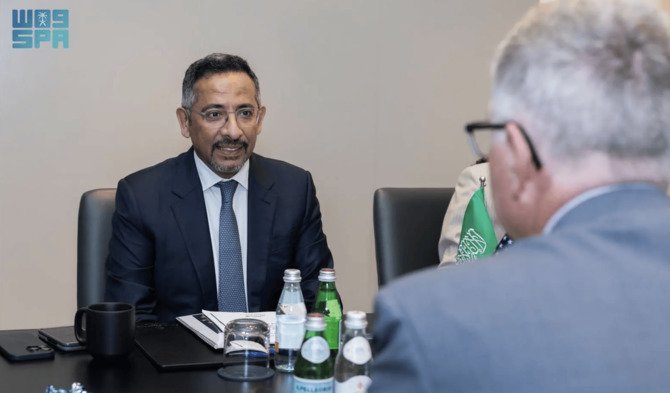
These agreements were reinforced through multiple high-level meetings involving energy, industry, and interior ministries on both sides, and have been tied to broader investment commitments reaching tens of billions of dollars in potential value across energy, LNG, and technology sectors.
Parallel to this, Japan has been deepening its own economic alignment with Saudi Arabia, focusing on energy security, LNG imports, and industrial cooperation in critical minerals.
Japanese firms have been engaged in long-term investment discussions that include infrastructure development, power generation projects, and participation in supply chain diversification strategies designed to reduce dependence on concentrated mineral processing in China.
A defining feature of these arrangements is the emphasis on critical minerals, a sector that has become strategically sensitive due to global competition over resources used in electric vehicles, grid storage, and defense manufacturing.
The United States and its allies have been actively seeking alternative supply chains outside China, which currently dominates much of global rare earth processing capacity.
Saudi Arabia’s approach is built around leveraging its financial reserves, low-cost energy base, and geographic position between Asia, Europe, and Africa.
The Kingdom is offering investment incentives, co-financing structures, and state-backed partnerships to attract foreign firms capable of bringing refining technology and downstream industrial expertise into the country.
Japan’s involvement adds a parallel layer focused on industrial security and long-term energy stability, particularly in LNG and clean energy infrastructure.
Tokyo’s participation reflects its broader strategy of diversifying supply chains through alliances with resource-rich states, rather than relying on single-source imports.
The United States, meanwhile, is pursuing a dual-track strategy: securing access to critical minerals for defense and clean energy industries while also encouraging allied countries to develop processing capacity outside China’s influence.
This has led to structured cooperation with Saudi Arabia in mining investment frameworks and technology deployment in refining and materials processing.
What remains unresolved is the long-term balance of control over value-added stages of the supply chain, particularly refining and advanced materials production.
While Saudi Arabia is attracting investment and technology transfer, much of the high-end processing expertise still resides in US, Japanese, and European firms.
The distribution of ownership, intellectual property, and export rights remains a central point of strategic negotiation.
The broader implication is that Saudi Arabia is no longer positioning itself solely as a supplier of crude oil, but as an emerging hub in the global competition for strategic materials.
This shift is reshaping the country’s foreign policy alignment, bringing it into deeper economic coordination with both the United States and Japan at a time when global supply chains are fragmenting under geopolitical pressure.
The immediate consequence of these agreements is the gradual construction of a multi-polar critical minerals network linking Gulf capital, American technology, and Japanese industrial demand, with Saudi Arabia positioned as a central processing and logistics node in that system.
The latest wave of cooperation builds on a series of agreements signed over the past two years between Saudi ministries, US federal agencies, Japanese industry groups, and major state-linked companies such as Saudi Arabian Mining Company (Ma'aden) and Saudi Aramco.
These arrangements focus on critical minerals like lithium, nickel, copper, and rare earth elements, as well as liquefied natural gas, refinery expansion, and digital energy systems.
At the center of the strategy is Saudi Arabia’s effort to reposition itself as a global processing and logistics hub for minerals essential to electric vehicles, renewable energy technologies, semiconductors, and advanced defense systems.
This includes joint exploration projects, refinery development inside the Kingdom, and cross-border investment frameworks that link Saudi capital with US and Japanese industrial capacity.
What is confirmed is that Saudi Arabia and the United States have already signed formal cooperation frameworks on energy and critical minerals, including memoranda aimed at strengthening supply chains and encouraging joint investment in mining and downstream processing.
These agreements were reinforced through multiple high-level meetings involving energy, industry, and interior ministries on both sides, and have been tied to broader investment commitments reaching tens of billions of dollars in potential value across energy, LNG, and technology sectors.
Parallel to this, Japan has been deepening its own economic alignment with Saudi Arabia, focusing on energy security, LNG imports, and industrial cooperation in critical minerals.
Japanese firms have been engaged in long-term investment discussions that include infrastructure development, power generation projects, and participation in supply chain diversification strategies designed to reduce dependence on concentrated mineral processing in China.
A defining feature of these arrangements is the emphasis on critical minerals, a sector that has become strategically sensitive due to global competition over resources used in electric vehicles, grid storage, and defense manufacturing.
The United States and its allies have been actively seeking alternative supply chains outside China, which currently dominates much of global rare earth processing capacity.
Saudi Arabia’s approach is built around leveraging its financial reserves, low-cost energy base, and geographic position between Asia, Europe, and Africa.
The Kingdom is offering investment incentives, co-financing structures, and state-backed partnerships to attract foreign firms capable of bringing refining technology and downstream industrial expertise into the country.
Japan’s involvement adds a parallel layer focused on industrial security and long-term energy stability, particularly in LNG and clean energy infrastructure.
Tokyo’s participation reflects its broader strategy of diversifying supply chains through alliances with resource-rich states, rather than relying on single-source imports.
The United States, meanwhile, is pursuing a dual-track strategy: securing access to critical minerals for defense and clean energy industries while also encouraging allied countries to develop processing capacity outside China’s influence.
This has led to structured cooperation with Saudi Arabia in mining investment frameworks and technology deployment in refining and materials processing.
What remains unresolved is the long-term balance of control over value-added stages of the supply chain, particularly refining and advanced materials production.
While Saudi Arabia is attracting investment and technology transfer, much of the high-end processing expertise still resides in US, Japanese, and European firms.
The distribution of ownership, intellectual property, and export rights remains a central point of strategic negotiation.
The broader implication is that Saudi Arabia is no longer positioning itself solely as a supplier of crude oil, but as an emerging hub in the global competition for strategic materials.
This shift is reshaping the country’s foreign policy alignment, bringing it into deeper economic coordination with both the United States and Japan at a time when global supply chains are fragmenting under geopolitical pressure.
The immediate consequence of these agreements is the gradual construction of a multi-polar critical minerals network linking Gulf capital, American technology, and Japanese industrial demand, with Saudi Arabia positioned as a central processing and logistics node in that system.