Strategic Strain in the Gulf: Saudi Arabia and UAE Rivalry Deepens Amid Broader Regional Tensions
Historic allies in Washington’s Middle East coalition are increasingly at odds over Yemen and influence, underscoring shifting power dynamics as U.S.–Iran pressures rise
A deepening rift between Saudi Arabia and the United Arab Emirates — two of the United States’ closest Arab partners in the Gulf — has exposed fissures in what was once seen as a united front supporting stability and U.S. policy in the region.
The tensions, rooted largely in divergent approaches to Yemen and wider geopolitical influence, have become a defining feature of Gulf politics even as pressure builds over U.S.–Iran tensions and broader security concerns.
The most visible flashpoint has been Yemen, where the long-standing coalition against the Iran-aligned Houthi movement has fractured.
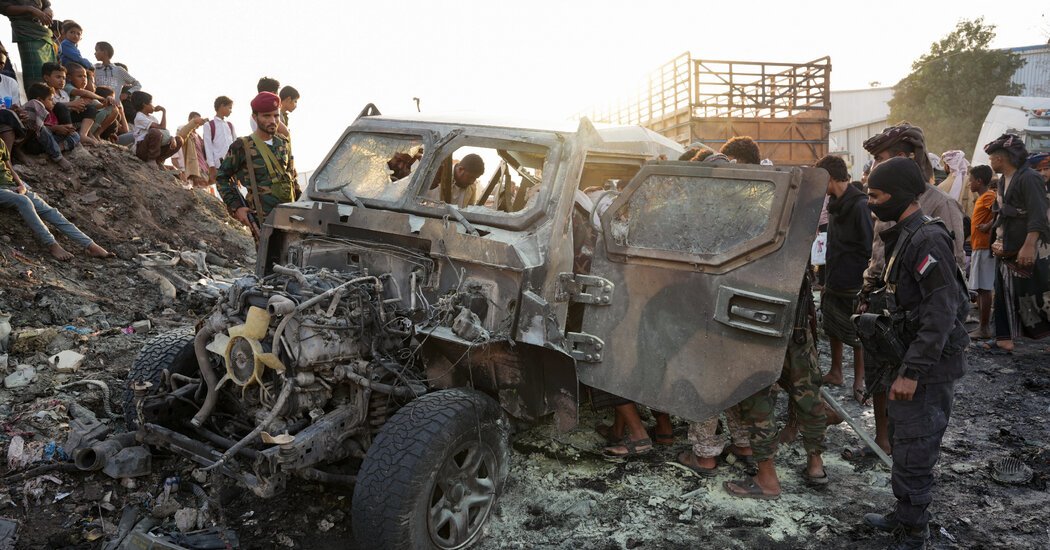
In late December 2025, Saudi forces carried out airstrikes on UAE-linked shipments at the port of Mukalla that Riyadh said were arms deliveries for the Southern Transitional Council, a separatist faction backed by Abu Dhabi.
Riyadh viewed the offensive as a threat to its security along its southern border and a breach of agreed strategy, leading to a breakdown in coordination and the withdrawal of Emirati counter-terrorism personnel from the conflict zone.
This marked a striking departure from the decades-long alignment between Riyadh and Abu Dhabi in regional security matters.
Analysts say the underlying competition reflects broader strategic divergences.
The UAE has sought influence through support for local actors such as the STC and strategic ports, while Saudi Arabia prioritises Yemen’s territorial unity and counters perceived threats to its borders.
These differences have spilled beyond Yemen, influencing proxy dynamics in Horn of Africa states such as Somalia and Sudan as each capital pursues its own vision of regional influence.
The discord comes at a moment of heightened regional strain driven by tensions with Iran.
The United States, under President Donald Trump, has increased military assets in the Middle East and pressed for tough negotiations over Tehran’s nuclear programme, even as Gulf states push for diplomatic de-escalation and caution against open conflict.
Efforts by Saudi Arabia, Qatar, Oman and other regional actors to avert direct confrontation between Washington and Tehran have highlighted differing priorities, with Gulf capitals balancing security needs against economic and political stability.
Despite the challenges, all parties publicly affirm the value of their alliances with the United States and mutual commitments to security.
Yet the growing Saudi–UAE rivalry, once largely masked by collective concerns over Iran and extremist threats, now underscores how shifting national interests and regional ambitions are reshaping Gulf cooperation and presenting complex challenges for U.S. policymakers and regional diplomacy alike.
The tensions, rooted largely in divergent approaches to Yemen and wider geopolitical influence, have become a defining feature of Gulf politics even as pressure builds over U.S.–Iran tensions and broader security concerns.
The most visible flashpoint has been Yemen, where the long-standing coalition against the Iran-aligned Houthi movement has fractured.
In late December 2025, Saudi forces carried out airstrikes on UAE-linked shipments at the port of Mukalla that Riyadh said were arms deliveries for the Southern Transitional Council, a separatist faction backed by Abu Dhabi.
Riyadh viewed the offensive as a threat to its security along its southern border and a breach of agreed strategy, leading to a breakdown in coordination and the withdrawal of Emirati counter-terrorism personnel from the conflict zone.
This marked a striking departure from the decades-long alignment between Riyadh and Abu Dhabi in regional security matters.
Analysts say the underlying competition reflects broader strategic divergences.
The UAE has sought influence through support for local actors such as the STC and strategic ports, while Saudi Arabia prioritises Yemen’s territorial unity and counters perceived threats to its borders.
These differences have spilled beyond Yemen, influencing proxy dynamics in Horn of Africa states such as Somalia and Sudan as each capital pursues its own vision of regional influence.
The discord comes at a moment of heightened regional strain driven by tensions with Iran.
The United States, under President Donald Trump, has increased military assets in the Middle East and pressed for tough negotiations over Tehran’s nuclear programme, even as Gulf states push for diplomatic de-escalation and caution against open conflict.
Efforts by Saudi Arabia, Qatar, Oman and other regional actors to avert direct confrontation between Washington and Tehran have highlighted differing priorities, with Gulf capitals balancing security needs against economic and political stability.
Despite the challenges, all parties publicly affirm the value of their alliances with the United States and mutual commitments to security.
Yet the growing Saudi–UAE rivalry, once largely masked by collective concerns over Iran and extremist threats, now underscores how shifting national interests and regional ambitions are reshaping Gulf cooperation and presenting complex challenges for U.S. policymakers and regional diplomacy alike.