Arab Press

بالشعب و للشعب
Friday, Jan 09, 2026

Budget 2021: Chancellor Rishi Sunak denies raising taxes to cut them before next election to win votes - but says reducing burden is 'goal'

Budget 2021: Chancellor Rishi Sunak denies raising taxes to cut them before next election to win votes - but says reducing burden is 'goal'

In his budget, the chancellor promised plans to build "a stronger economy for the British people" after the coronavirus crisis - as he cut alcohol and air passenger duties and lowered the Universal Credit taper rate amid the looming threat of inflation.

Rishi Sunak has denied he raised taxes in the autumn Budget so that he can cut them again ahead of the next general election in order to win more votes - but insisted he will aim to bring the tax burden down before then.

The chancellor said the rises announced in his budget last month must be seen in the context of the public services being delivered following the coronavirus pandemic and told MPs that people's quality of life can be boosted by higher taxes.

It comes after Mr Sunak hiked the tax burden on Britons to its highest level since the Labour government led by Clement Attlee in the 1950s.
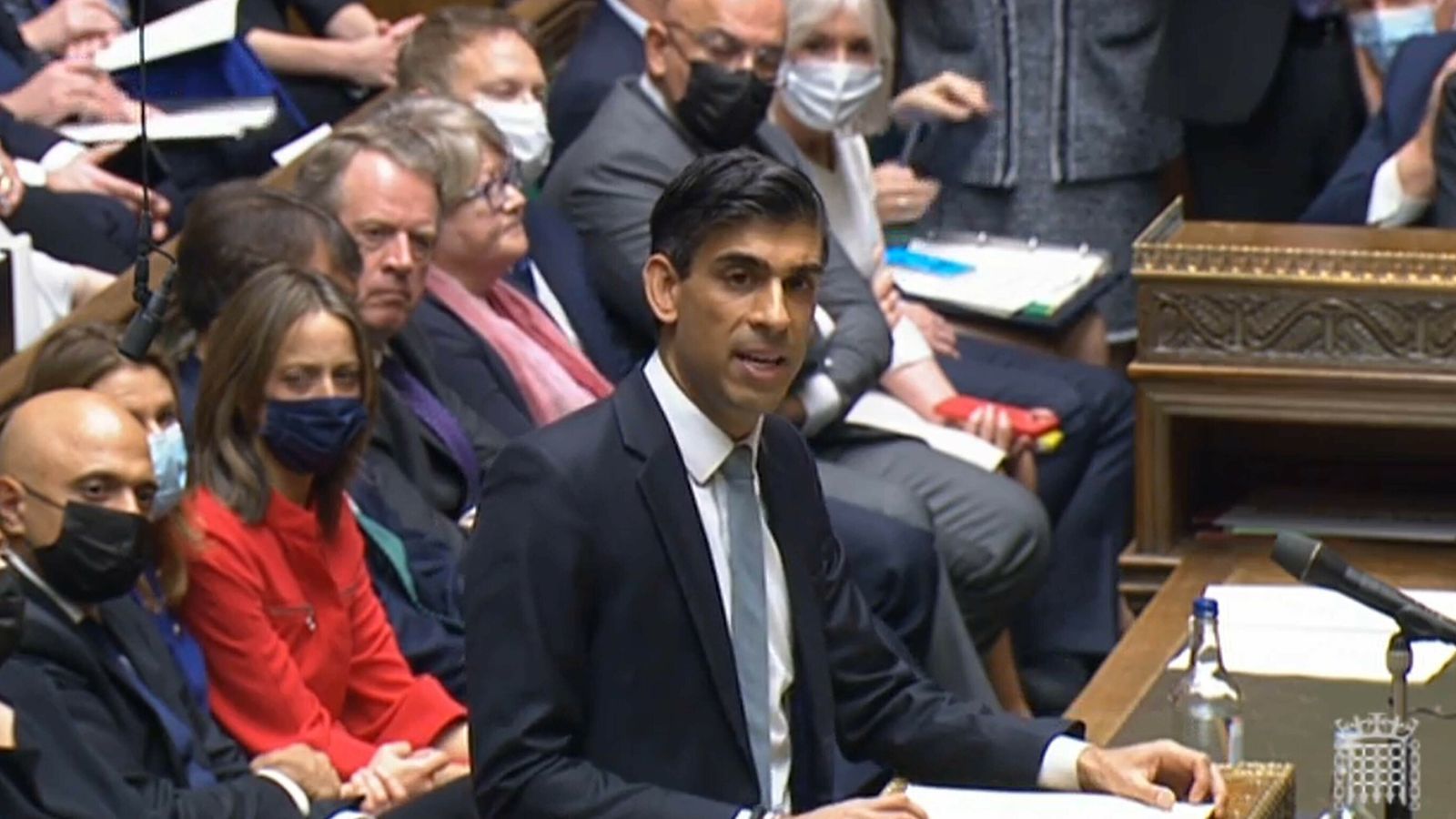
The chancellor delivered his budget in the Commons last week


Addressing the Commons Treasury Committee on Monday, the chancellor said "voluntarily" raising taxes would be "the last thing" he would do, and that he took the measures "to fund what we needed to".

Delivering his budget last Wednesday, Mr Sunak said it had been necessary for the government to take "corrective action" due to impact the pandemic has had on the economy.

And reiterating this point during a session of the Commons Treasury Select Committee on Monday, the chancellor said the purpose of raising taxes is to "fix the damage that coronavirus has done".

Among the tax increases, National Insurance contributions will rise by 1.25% from next April to help pay for the NHS and social care system.

"We can look at the taxes and, yes, people are paying more, they're going to pay the new health and social care levy, no-one is pretending otherwise, that takes money from people, that's why in an ideal world I would prefer not to have to put taxes up on people," Mr Sunak told MPs.

"But you do get something for that money. It's all very well to just look at the taxes without looking at what you're getting.

"So, you can talk about living standards by just looking at the tax side, I think that's probably slightly unfair because people's quality of life is also influenced by the quality of the public services that they get."
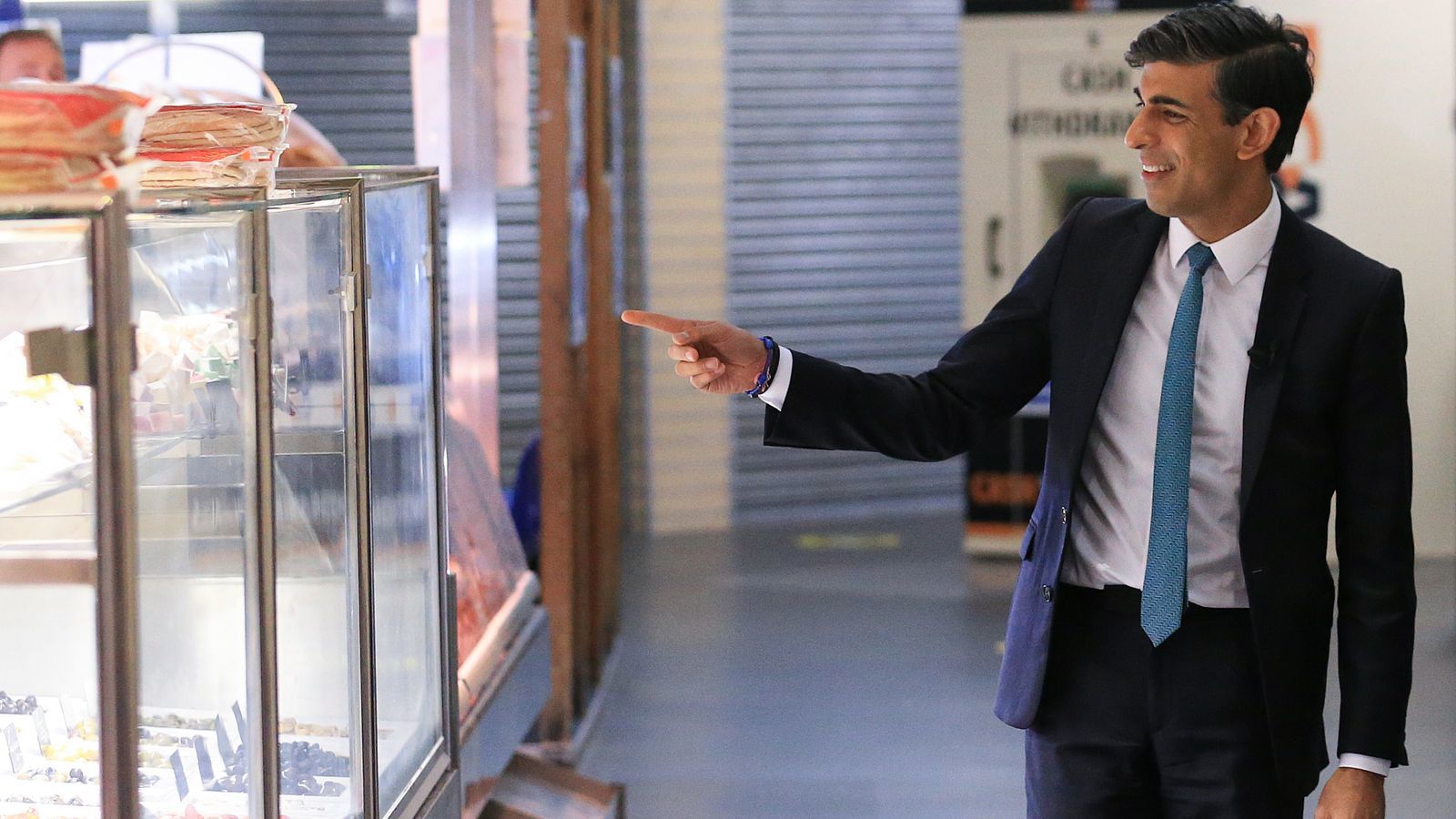
Mr Sunak defended hiking the burden on Britons to a level not seen since the 1950s


His comments come as disquiet grows among some Conservative MPs over the fact that rising prices have left many families facing a potential cost-of-living squeeze.

But Mr Sunak said "the reason the tax burden is very high is because we're spending a lot on lots of different things".

He continued: "Believe me, the last thing I would do is voluntarily raise taxes. We've had to do that to fund... what we needed to do, right?"

The chancellor also pledged to pursue his aim of bringing taxes down again.
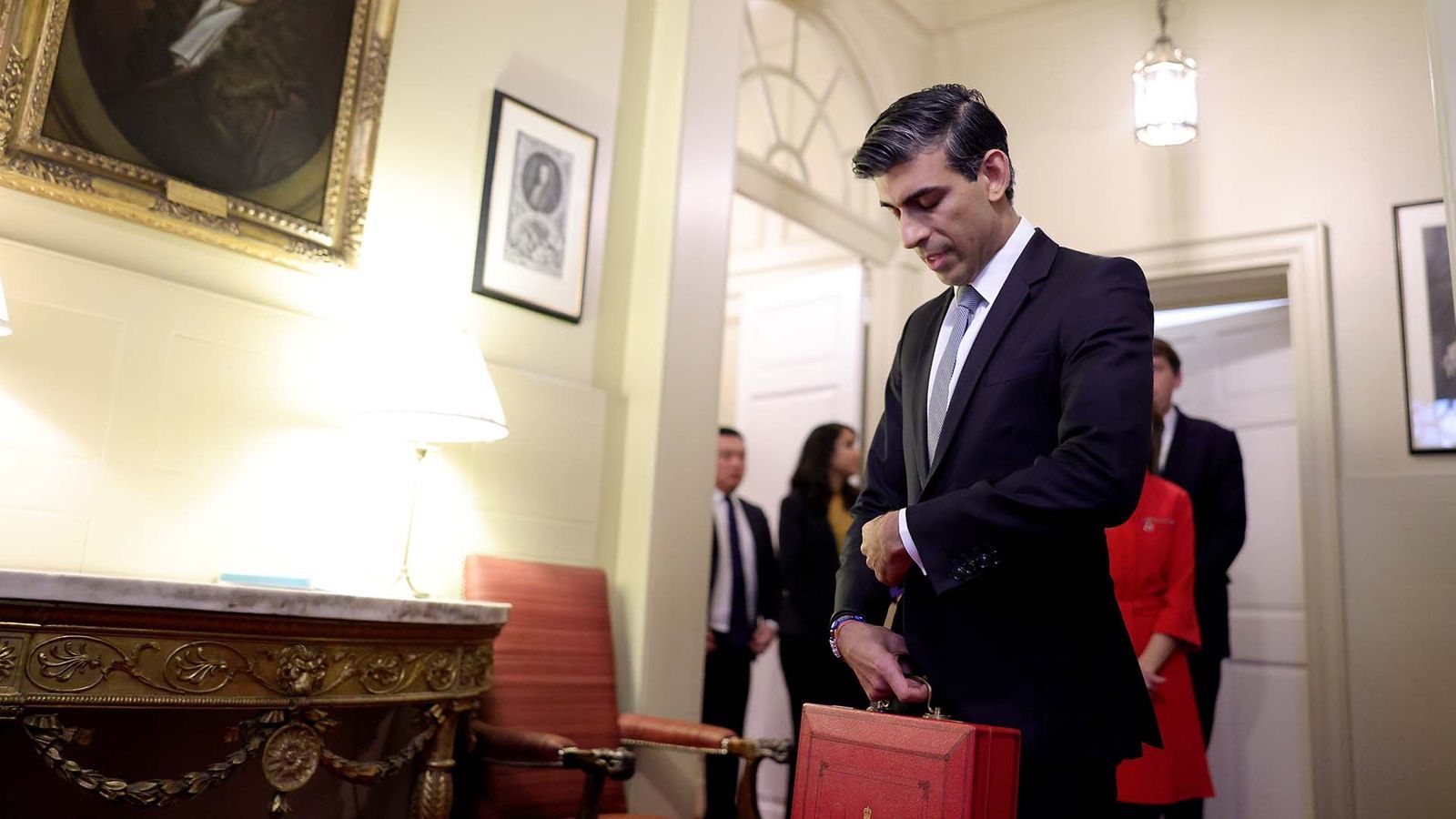
Mr Sunak said it had been necessary for the government to take 'corrective action' due to impact the pandemic has had on the economy


"That's very much my goal, my mission, over the remainder of this parliament, and we took a step in that direction at budget," he told MPs.

After delivering his budget, Mr Sunak told MPs that the measures he put in place to protect jobs at the start of the pandemic meant the economy was now recovering strongly and unemployment is far lower than many had feared.

The Office for Budget Responsibility (OBR) now expects the UK's economic recovery from the COVID pandemic to be "quicker" than previously thought, Mr Sunak told MPs, with growth revised up from 4% to 6.5% for this year.

In 2022, the OBR expects the UK economy to grow by 6%, and 2.1%, 1.3% and 1.6% over the following three years.

And it has also revised down its estimates of long-term "scarring" to the UK economy of the COVID crisis.

Delivering his budget, the chancellor also told the Commons that the OBR expects a lesser peak of unemployment, of 5.2%, which means "over two million fewer people out of work than previously feared".

Newsletter

Related Articles

Arab Press
0:00
0:00
Close
There is no sovereign immunity for poisoning millions with drugs.
Mohammed bin Salman’s Global Standing: Strategic Partner in Transition Amid Debate Over His Role
Saudi Arabia Opens Property Market to Foreign Buyers in Landmark Reform
The U.S. State Department’s account in Persian: “President Trump is a man of action. If you didn’t know it until now, now you do—do not play games with President Trump.”
CNN’s Ranking of Israel’s Women’s Rights Sparks Debate After Misleading Global Index Comparison
Saudi Arabia’s Shifting Regional Alignment Raises Strategic Concerns in Jerusalem
OPEC+ Holds Oil Output Steady Amid Member Tensions and Market Oversupply
Iranian Protests Intensify as Another Revolutionary Guard Member Is Killed and Khamenei Blames the West
President Trump Says United States Will Administer Venezuela Until a Secure Leadership Transition
Delta Force Identified as Unit Behind U.S. Operation That Captured Venezuela’s President
Saudi-UAE Rift Adds Complexity to Middle East Diplomacy as Trump Signals Firm Leadership
OPEC+ to Keep Oil Output Policy Unchanged Despite Saudi-UAE Tensions Over Yemen
Saudi Arabia and UAE at Odds in Yemen Conflict as Southern Offensive Deepens Gulf Rift
Abu Dhabi ‘Capital of Capital’: How Abu Dhabi Rose as a Sovereign Wealth Power
Diamonds Are Powering a New Quantum Revolution
Trump Threatens Strikes Against Iran if Nuclear Programme Is Restarted
Why Saudi Arabia May Recalibrate Its US Spending Commitments Amid Rising China–America Rivalry
Riyadh Air’s First Boeing 787-9 Dreamliner Completes Initial Test Flight, Advancing Saudi Carrier’s Launch
Saudi Arabia’s 2025: A Pivotal Year of Global Engagement and Domestic Transformation
Saudi Arabia to Introduce Sugar-Content Based Tax on Sweetened Drinks from January 2026
Saudi Hotels Prepare for New Hospitality Roles as Alcohol Curbs Ease
Global Airports Forum Highlights Saudi Arabia’s Emergence as a Leading Aviation Powerhouse
Saudi Arabia Weighs Strategic Choice on Iran Amid Regional Turbulence
Saudi Arabia Condemns Sydney Bondi Beach Shooting and Expresses Solidarity with Australia
Washington Watches Beijing–Riyadh Rapprochement as Strategic Balance Shifts
Saudi Arabia’s Vision 2030 Drives Measurable Lift in Global Reputation and Influence
Alcohol Policies Vary Widely Across Muslim-Majority Countries, With Many Permitting Consumption Under Specific Rules
Saudi Arabia Clarifies No Formal Ban on Photography at Holy Mosques for Hajj 2026
Libya and Saudi Arabia Sign Strategic MoU to Boost Telecommunications Cooperation
Elon Musk’s xAI Announces Landmark 500-Megawatt AI Data Center in Saudi Arabia
Israel Moves to Safeguard Regional Stability as F-35 Sales Debate Intensifies
Cardi B to Make Historic Saudi Arabia Debut at Soundstorm 2025 Festival
U.S. Democratic Lawmakers Raise National Security and Influence Concerns Over Paramount’s Hostile Bid for Warner Bros. Discovery
Hackers Are Hiding Malware in Open-Source Tools and IDE Extensions
Traveling to USA? Homeland Security moving toward requiring foreign travelers to share social media history
Wall Street Analysts Clash With Riyadh Over Saudi Arabia’s Deficit Outlook
Trump and Saudi Crown Prince Cement $1 Trillion-Plus Deals in High-Profile White House Summit
Saudi Arabia Opens Alcohol Sales to Wealthy Non-Muslim Residents Under New Access Rules
U.S.–Saudi Rethink Deepens — Washington Moves Ahead Without Linking Riyadh to Israel Normalisation
Saudi Arabia and Israel Deprioritise Diplomacy: Normalisation No Longer a Middle-East Priority
As Trump Deepens Ties with Saudi Arabia, Push for Israel Normalization Takes a Back Seat
Thai Food Village Debuts at Saudi Feast Food Festival 2025 Under Thai Commerce Minister Suphajee’s Lead
Saudi Arabia Sharpens Its Strategic Vision as Economic Transformation Enters New Phase
Saudi Arabia Projects $44 Billion Budget Shortfall in 2026 as Economy Rebalances
OPEC+ Unveils New Capacity-Based System to Anchor Future Oil Output Levels
Hong Kong Residents Mourn Victims as 1,500 People Relocated After Devastating Tower Fire
Saudi Arabia’s SAMAI Initiative Surpasses One-Million-Citizen Milestone in National AI Upskilling Drive
Saudi Arabia’s Specialty Coffee Market Set to Surge as Demand Soars and New Exhibition Drops in December
Saudi Arabia Moves to Open Two New Alcohol Stores for Foreigners Under Vision 2030 Reform
Saudi Arabia’s AI Ambitions Gain Momentum — but Water, Talent and Infrastructure Pose Major Hurdles
×