Arab Press

بالشعب و للشعب
Thursday, Dec 04, 2025

Facebook in Australia: What happened after news was blocked?

Facebook in Australia: What happened after news was blocked?

Critics of Facebook say the company's ban on news appearing on its platform in Australia has made it more difficult for people to access reliable sources - and increased the influence of bad and misleading information.

But is there any evidence of this since the ban was imposed on Thursday?

Unintended consequences


It quickly became clear that one effect of the tech giant's move was that in addition to news providers, emergency services were also being blocked.

Some Australian government health-department and emergency-services pages found that their Facebook accounts had been affected.

They were later restored after Facebook was notified.


Welfare groups such as Women's Health Tasmania also faced difficulties.
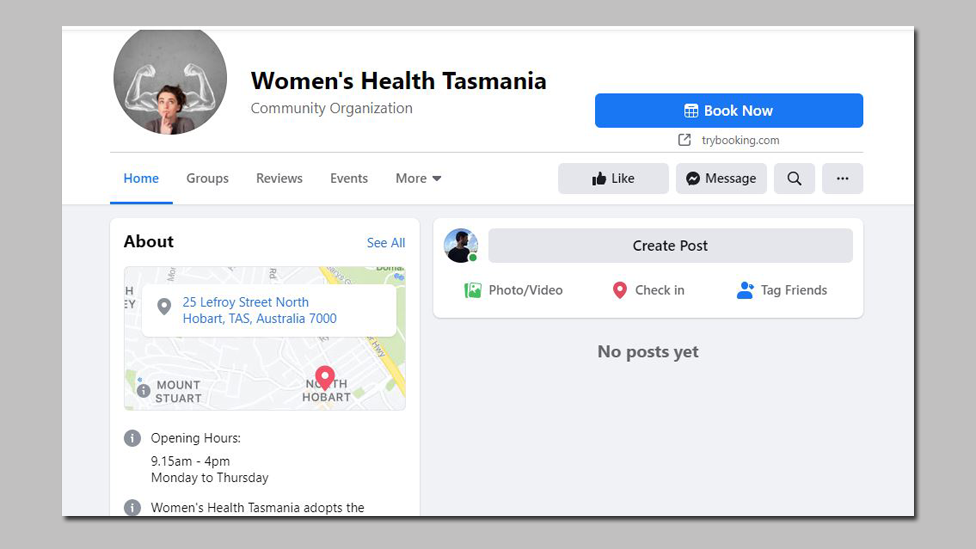

"We stream physical activity classes through Facebook," says Jo Flanagan, the group's chief executive. "We push public-health-generated Covid updates.

"Clients use messages on Facebook to contact us when they don't have phone credit. It was very disruptive."

The page is now working again.

Will Easton, managing director of Facebook Australia, said: "Pages such as government, public-safety and education pages should not be impacted by this announcement.

"We apologise to any pages that were inadvertently impacted."

The day after the ban, we checked some of the pages that had faced problems, including a satirical-news site, a women's legal-services page, and a weather-forecasting platform. They had all been reactivated.

Facebook says it's working to restore other sites that have also been blocked inadvertently.

Has bad information increased?


We can't give a definitive answer to this for all Facebook users in Australia.

But we've done some digging with data-analysis tool CrowdTangle, itself part of the Facebook family of online products.

Using CrowdTangle, it's possible to look at the most popular Facebook posts related to a particular topic over a given time in a given country - it therefore gives you a pretty good idea what's been shared on that subject.

In one example, we looked at Facebook posts from pages in Australia related to Covid-19 and vaccines over two 24-hour periods - before and after the ban was imposed.

We found:

*  In four separate searches before the ban, the overwhelming majority of the top 20 performing posts and links came from verified pages of well-known media organisations, government and public-health bodies - only one or two posts with potentially misleading content.

*  After the ban, the same searches revealed up to five posts containing misleading content about Covid-19 or vaccines

*  After the ban, a search for posts with links to external websites led us to content from alternative- or holistic-medicine pages, some expressing anti-vaccine views. These pages weren't classified as "news", and following the ban they could still be accessed via Facebook.
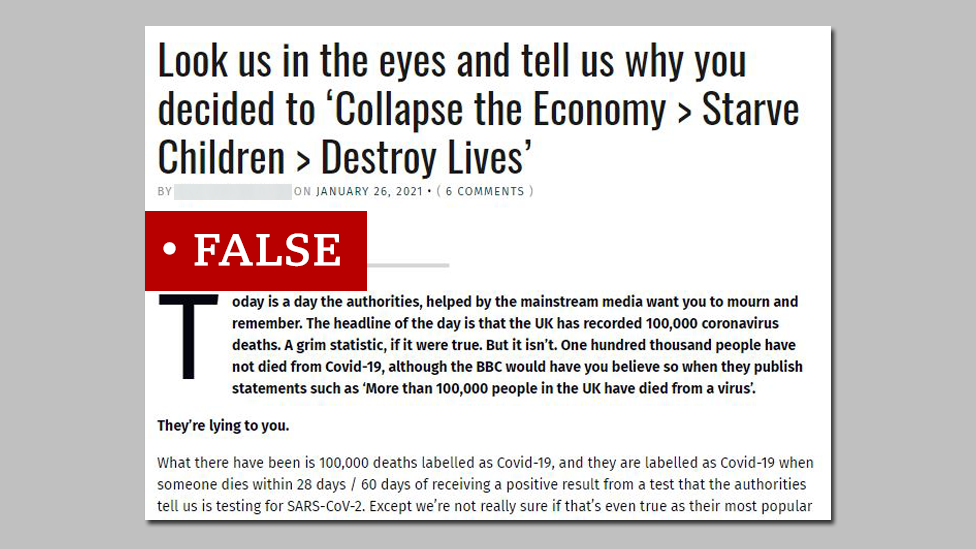
Links to some websites promoting inaccurate claims about the pandemic still work in Australia ("False" label added to image for clarification)

Facebook has responded to its critics by saying its commitment to combating misinformation has not changed.

"We are directing people to authoritative health information and notify them of new updates via our Covid-19 Information Centre," it says.

"We're also continuing our third-party fact-checking partnerships with AAP (Australian Associated Press) and AFP (Agence France-Press), who review content and debunk false claims online."

However, Peter Bodkin, editor of the AAP fact-checking team, says his news organisation's content is being restricted. The AAP can still rate and label posts on Facebook and tack on links to reliable AAP stories, but users cannot share the site's articles themselves.

"It seems like a terrible outcome, to state the obvious," he says.


Fact-checking sites are, of course, accessible without any need to go through Facebook.

However, Russell Skelton, of ABC's (Australian Broadcasting Corporation) fact-checking project with RMIT University, points out that the ban affects precisely the audience that fact-checkers want to reach.

"Some 11 million-plus Australians use Facebook as their primary source of news," he says.

"Facebook's action has certainly prevented us from engaging with a more diverse audience who do not come to the ABC news website for their information."

Newsletter

Related Articles

Arab Press
0:00
0:00
Close
As Trump Deepens Ties with Saudi Arabia, Push for Israel Normalization Takes a Back Seat
Thai Food Village Debuts at Saudi Feast Food Festival 2025 Under Thai Commerce Minister Suphajee’s Lead
Saudi Arabia Sharpens Its Strategic Vision as Economic Transformation Enters New Phase
Saudi Arabia Projects $44 Billion Budget Shortfall in 2026 as Economy Rebalances
OPEC+ Unveils New Capacity-Based System to Anchor Future Oil Output Levels
Hong Kong Residents Mourn Victims as 1,500 People Relocated After Devastating Tower Fire
Saudi Arabia’s SAMAI Initiative Surpasses One-Million-Citizen Milestone in National AI Upskilling Drive
Saudi Arabia’s Specialty Coffee Market Set to Surge as Demand Soars and New Exhibition Drops in December
Saudi Arabia Moves to Open Two New Alcohol Stores for Foreigners Under Vision 2030 Reform
Saudi Arabia’s AI Ambitions Gain Momentum — but Water, Talent and Infrastructure Pose Major Hurdles
Tensions Surface in Trump-MBS Talks as Saudi Pushes Back on Israel Normalisation
Saudi Arabia Signals Major Maritime Crack-Down on Houthi Routes in Red Sea
Italy and Saudi Arabia Seal Over 20 Strategic Deals at Business Forum in Riyadh
COP30 Ends Without Fossil Fuel Phase-Out as US, Saudi Arabia and Russia Align in Obstruction Role
Saudi-Portuguese Economic Horizons Expand Through Strategic Business Council
DHL Commits $150 Million for Landmark Logistics Hub in Saudi Arabia
Saudi Aramco Weighs Disposals Amid $10 Billion-Plus Asset Sales Discussion
Trump Hosts Saudi Crown Prince for Major Defence and Investment Agreements
Families Accuse OpenAI of Enabling ‘AI-Driven Delusions’ After Multiple Suicides
Riyadh Metro Records Over One Hundred Million Journeys as Saudi Capital Accelerates Transit Era
Trump’s Grand Saudi Welcome Highlights U.S.–Riyadh Pivot as Israel Watches Warily
U.S. Set to Sell F-35 Jets to Saudi Arabia in Major Strategic Shift
Saudi Arabia Doubles Down on U.S. Partnership in Strategic Move
Saudi Arabia Charts Tech and Nuclear Leap Under Crown Prince’s U.S. Visit
Trump Elevates Saudi Arabia to Major Non-NATO Ally Amid Defense Deal
Trump Elevates Saudi Arabia to Major Non-NATO Ally as MBS Visit Yields Deepened Ties
Iran Appeals to Saudi Arabia to Mediate Restart of U.S. Nuclear Talks
Musk, Barra and Ford Join Trump in Lavish White House Dinner for Saudi Crown Prince
Lawmaker Seeks Declassification of ‘Shocking’ 2019 Call Between Trump and Saudi Crown Prince
US and Saudi Arabia Forge Strategic Defence Pact Featuring F-35 Sale and $1 Trillion Investment Pledge
Saudi Sovereign Wealth Fund Emerges as Key Contender in Warner Bros. Discovery Sale
Trump Secures Sweeping U.S.–Saudi Agreements on Jets, Technology and Massive Investment
Detroit CEOs Join White House Dinner as U.S.–Saudi Auto Deal Accelerates
Netanyahu Secures U.S. Assurance That Israel’s Qualitative Military Edge Will Remain Despite Saudi F-35 Deal
Ronaldo Joins Trump and Saudi Crown Prince’s Gala Amid U.S.–Gulf Tech and Investment Surge
U.S.–Saudi Investment Forum Sees U.S. Corporate Titans and Saudi Royalty Forge Billion-Dollar Ties
Elon Musk’s xAI to Deploy 500-Megawatt Saudi Data Centre with State-backed Partner HUMAIN
U.S. Clears Export of Advanced AI Chips to Saudi Arabia and UAE Amid Strategic Tech Partnership
xAI Selects Saudi Data-Centre as First Customer of Nvidia-Backed Humain Project
President Trump Hosts Saudi Crown Prince Mohammed bin Salman in Washington Amid Strategic Deal Talks
Saudi Crown Prince to Press Trump for Direct U.S. Role in Ending Sudan War
Trump Hosts Saudi Crown Prince: Five Key Takeaways from the White House Meeting
Trump Firmly Defends Saudi Crown Prince Over Khashoggi Murder Amid Washington Visit
Trump Backs Saudi Crown Prince Over Khashoggi Killing Amid White House Visit
Trump Publicly Defends Saudi Crown Prince Over Khashoggi Killing During Washington Visit
President Donald Trump Hosts Saudi Crown Prince Mohammed bin Salman at White House to Seal Major Defence and Investment Deals
Saudi Arabia’s Solar Surge Signals Unlikely Shift in Global Oil Powerhouse
Saudi Crown Prince Receives Letter from Iranian President Ahead of U.S. Visit
Saudi Arabia’s Crown Prince Begins Washington Visit to Cement Long-Term U.S. Alliance
Saudi Crown Prince Meets Trump in Washington to Deepen Defence, AI and Nuclear Ties
×