Arab Press

بالشعب و للشعب
Wednesday, Dec 24, 2025

How hoarding and smuggling are hurting Lebanon's pharma sector

How hoarding and smuggling are hurting Lebanon's pharma sector

Pharmacies are being left with empty shelves amid panic buying ahead of increasing talk of the imminent removal of subsidies on basic commodities

Hoarding and smuggling are two words that have entered into daily conversations in Lebanon, with increasing talk of the imminent removal of subsidies on basic commodities due to the decline in the country's foreign currency assets.

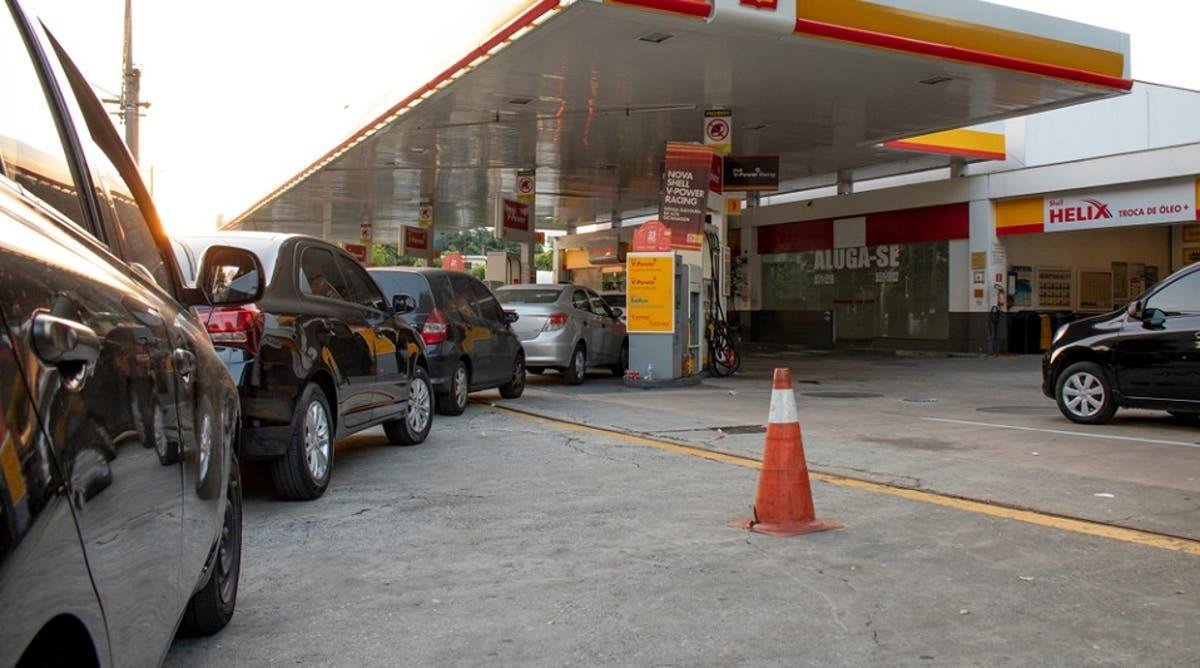
The subsidised goods include petrol and diesel, which caused congestion in front of petrol stations and resulted in rationing the distribution of fuel due to the scarcity of supply.

However, a more serious issue to which the consumer is being exposed is the scarcity of medicines in pharmacies across the nation, after citizens rushed to buy medicines amid rationing of the distribution of drugs by importers.

The central bank's foreign currency assets, excluding Lebanese Eurobonds, stood at $20.9 billion at the end of September, down 10.8 percent in a month and 33.8 percent so far in 2020.

The decline is largely due to the financing of imports of hydrocarbons, wheat, medicine, medical equipment, a basket of more than 300 food and non-food items, and raw materials for agriculture and industry.


Riad Salame, the governor of Lebanon’s central bank, announced last month that the strategic reserve threshold of $17.5 billion is about to be reached. Since the Central Bank made this announcement, pharmaceutical companies in Lebanon have been rationing the distribution of drugs among pharmacies.

With their stocks dwindling, pharmacies in many areas are now refusing to receive customers due to a lack of stock to meet demand on certain days. Pharmacies continue to be besieged by customers who fear both a shortage of stocks and a surge in prices if subsidies run out.

Empty shelves have became familiar in pharmacies as the monthly supply of medicines ran out in 10 days, according to the Syndicate of Pharmacists.

A pharmacy owner in the Zaytouna area, Beirut, told Arabian Business: “The reason behind the shortage of drugs is that people have been hoarding drugs since more than a month in preparation for the end of the subsidy," adding that the smuggling of drugs outside Lebanon had added to the crisis.

In recent days, the Internal Security Forces inspection detachment at Beirut International Airport has announced the seizure of large quantities of drugs smuggled with a number of travellers.


The stocks of many pharmaceutical companies today are “barely enough to last for a month and a half", according to the Syndicate of Pharmacists which warned that lifting the subsidy would mean raising the prices of drugs six-fold.

Another pharmacist in Gemmayzeh, Beirut told Arabian Business that “the importing companies are waiting for the subsidy to be lifted to sell the drugs at the new prices in order to make an illicit profit".

He said there had been a rush to buy drugs intended for chronic diseases such as heart, blood pressure and diabetes, in addition to painkillers and vitamins.

Karim Jbara, the head of Pharmaceuticals Importers Association, said that the Lebanese had started to stockpile medicine at home when they learned that the central bank would cease subsidies and the shortage is "a result of panic buying".

Given the estimated 55 percent of the population now living below the poverty line amid a crippling economic and political crisis, lifting subsidies would be catastrophic, many analysts believe.

Newsletter

Related Articles

Arab Press
0:00
0:00
Close
Saudi Arabia’s 2025: A Pivotal Year of Global Engagement and Domestic Transformation
Saudi Arabia to Introduce Sugar-Content Based Tax on Sweetened Drinks from January 2026
Saudi Hotels Prepare for New Hospitality Roles as Alcohol Curbs Ease
Global Airports Forum Highlights Saudi Arabia’s Emergence as a Leading Aviation Powerhouse
Saudi Arabia Weighs Strategic Choice on Iran Amid Regional Turbulence
Saudi Arabia Condemns Sydney Bondi Beach Shooting and Expresses Solidarity with Australia
Washington Watches Beijing–Riyadh Rapprochement as Strategic Balance Shifts
Saudi Arabia’s Vision 2030 Drives Measurable Lift in Global Reputation and Influence
Alcohol Policies Vary Widely Across Muslim-Majority Countries, With Many Permitting Consumption Under Specific Rules
Saudi Arabia Clarifies No Formal Ban on Photography at Holy Mosques for Hajj 2026
Libya and Saudi Arabia Sign Strategic MoU to Boost Telecommunications Cooperation
Elon Musk’s xAI Announces Landmark 500-Megawatt AI Data Center in Saudi Arabia
Israel Moves to Safeguard Regional Stability as F-35 Sales Debate Intensifies
Cardi B to Make Historic Saudi Arabia Debut at Soundstorm 2025 Festival
U.S. Democratic Lawmakers Raise National Security and Influence Concerns Over Paramount’s Hostile Bid for Warner Bros. Discovery
Hackers Are Hiding Malware in Open-Source Tools and IDE Extensions
Traveling to USA? Homeland Security moving toward requiring foreign travelers to share social media history
Wall Street Analysts Clash With Riyadh Over Saudi Arabia’s Deficit Outlook
Trump and Saudi Crown Prince Cement $1 Trillion-Plus Deals in High-Profile White House Summit
Saudi Arabia Opens Alcohol Sales to Wealthy Non-Muslim Residents Under New Access Rules
U.S.–Saudi Rethink Deepens — Washington Moves Ahead Without Linking Riyadh to Israel Normalisation
Saudi Arabia and Israel Deprioritise Diplomacy: Normalisation No Longer a Middle-East Priority
As Trump Deepens Ties with Saudi Arabia, Push for Israel Normalization Takes a Back Seat
Thai Food Village Debuts at Saudi Feast Food Festival 2025 Under Thai Commerce Minister Suphajee’s Lead
Saudi Arabia Sharpens Its Strategic Vision as Economic Transformation Enters New Phase
Saudi Arabia Projects $44 Billion Budget Shortfall in 2026 as Economy Rebalances
OPEC+ Unveils New Capacity-Based System to Anchor Future Oil Output Levels
Hong Kong Residents Mourn Victims as 1,500 People Relocated After Devastating Tower Fire
Saudi Arabia’s SAMAI Initiative Surpasses One-Million-Citizen Milestone in National AI Upskilling Drive
Saudi Arabia’s Specialty Coffee Market Set to Surge as Demand Soars and New Exhibition Drops in December
Saudi Arabia Moves to Open Two New Alcohol Stores for Foreigners Under Vision 2030 Reform
Saudi Arabia’s AI Ambitions Gain Momentum — but Water, Talent and Infrastructure Pose Major Hurdles
Tensions Surface in Trump-MBS Talks as Saudi Pushes Back on Israel Normalisation
Saudi Arabia Signals Major Maritime Crack-Down on Houthi Routes in Red Sea
Italy and Saudi Arabia Seal Over 20 Strategic Deals at Business Forum in Riyadh
COP30 Ends Without Fossil Fuel Phase-Out as US, Saudi Arabia and Russia Align in Obstruction Role
Saudi-Portuguese Economic Horizons Expand Through Strategic Business Council
DHL Commits $150 Million for Landmark Logistics Hub in Saudi Arabia
Saudi Aramco Weighs Disposals Amid $10 Billion-Plus Asset Sales Discussion
Trump Hosts Saudi Crown Prince for Major Defence and Investment Agreements
Families Accuse OpenAI of Enabling ‘AI-Driven Delusions’ After Multiple Suicides
Riyadh Metro Records Over One Hundred Million Journeys as Saudi Capital Accelerates Transit Era
Trump’s Grand Saudi Welcome Highlights U.S.–Riyadh Pivot as Israel Watches Warily
U.S. Set to Sell F-35 Jets to Saudi Arabia in Major Strategic Shift
Saudi Arabia Doubles Down on U.S. Partnership in Strategic Move
Saudi Arabia Charts Tech and Nuclear Leap Under Crown Prince’s U.S. Visit
Trump Elevates Saudi Arabia to Major Non-NATO Ally Amid Defense Deal
Trump Elevates Saudi Arabia to Major Non-NATO Ally as MBS Visit Yields Deepened Ties
Iran Appeals to Saudi Arabia to Mediate Restart of U.S. Nuclear Talks
Musk, Barra and Ford Join Trump in Lavish White House Dinner for Saudi Crown Prince
×