

How LinkedIn is changing and why some are not happy
In the online world the co-founder of Manchester marketing firm Offended makes sure his business lives up to its name. His posts stick out for the prevalence of profanity and no holds barred humour.
Offended specialises in guerrilla marketing, turning the world of corporate messaging and polished branding upside down. As the irreverent Mr Kelsall puts it: "We don't just get our own ads banned, we get ads banned for our clients too."
With 900 million of the world's professionals registering their personal CV and career attainments on the site, LinkedIn has become a valuable resource for head-hunters and human resources departments.
But over the last three years or so, this once staid community billboard of career updates and business launches has seen a change in tone.
Many posts have become more personal, featuring the emotional backstories of its members with accounts of childhood influences and admissions of failings and frailties.
This is a far cry from the hard-sell approach beloved of many corporate players and not everyone is happy. Critics murmur that these posts are more suited to the weekend musings of Facebook or the raucous tone of Twitter.
So what has triggered this change? According to Mr Kelsall, boredom with corporate marketing is one culprit.
It's hard to imagine, but Mr Kelsall once worked as a copywriter for a tax software firm, producing "some of the driest things I've written". He may not have enjoyed this time, but it did give him an insight into what pulls in readers.
"Consumers are less and less trusting of big brands. People are tired of boring marketing.
"The skill is to speak like your audience and be relatable to your audience. I've been on LinkedIn for seven years and I've got 66,000 followers. That's a really engaged audience."
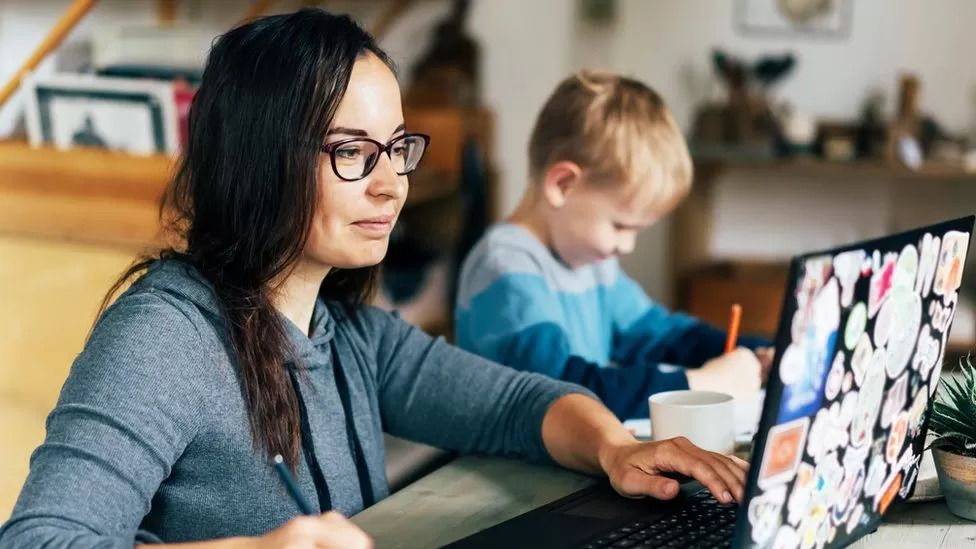 Working from home during the pandemic brought home life into contact with work
Parry Headrick founded Massachusetts public relations business Crackle. He attributes his entire client base to introductions via LinkedIn. There his followers learn about his penurious childhood and his own children's lives.
It's not to everyone's taste, though. One LinkedIn user responded to his disclosures with: "Nice story. It doesn't belong on LinkedIn."
Mr Headrick disagrees. "Engagement is about telling a compelling story. Your parents didn't read you a press release at bedtime, they read you stories. I try to give an insight into who I am if you work with me."
He is scathing about the effort businesses put into "company pages on LinkedIn that get no engagement", pointing out that human tales work. "It's the personal element that engenders trust."
Mr Headrick sees his personal pronouncements as "part of a broader shift away from corporate speak".
So what changed to make businesses so informal? Azadeh Williams thinks she knows.
Speaking from the Sydney offices of her media and marketing company, AZK Media, she explains why she shares updates about her six-year-old daughter. "I was a journalist for 20 years and I can spot marketing rigmarole and a contrived script. You have to be your crude, authentic self to attract your audience."
She wouldn't have posted this material a few years ago, but with the pandemic Zoom meetings intruded into the domestic space. This has changed everything. "Before Covid families didn't exist for your work colleagues. Now they've seen the families and it makes us more interesting."
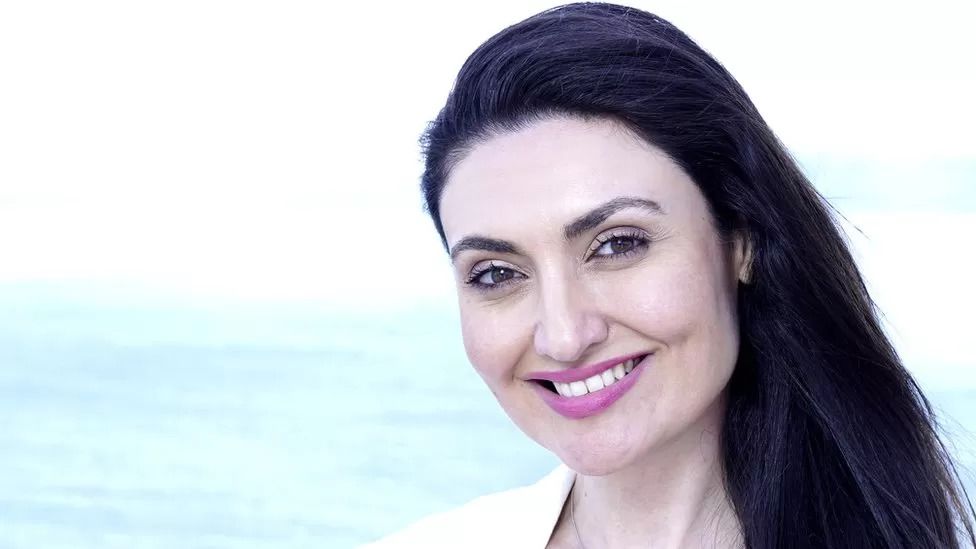 Covid changed LinkedIn, according to Azadeh Williams
She believes that while LinkedIn has evolved from being the home of CVs, many users retain the mindset that it's just a digital job interview.
Douglas Rode runs recruitment giant Page Group in the UK and Ireland. As LinkedIn is such an important tool in his world how does he view its new incarnation? "Even five years ago people didn't open up so much. Now there's greater awareness of people's vulnerabilities such as mental health and LinkedIn has magnified this."
As a job-hunting expert would he advise someone to bare their soul there? His response is very qualified. "It's a matter of individual choice. You are putting yourself out there so a future employer can see you. You're trying to get a balance and you want to sound human, not generic or automated."
Others are more pointed. Tom Skinner, of London marketing agency Go Up, fears LinkedIn's new emotional tone is merely a symptom of celebrity culture and "a society that celebrates people who can self-publicise above all else".
LinkedIn has a 200-strong team working on stories primed to attract attention and involvement, all grist to the mill of recruiting companies that pay it for the right to scour the CVs of its members.
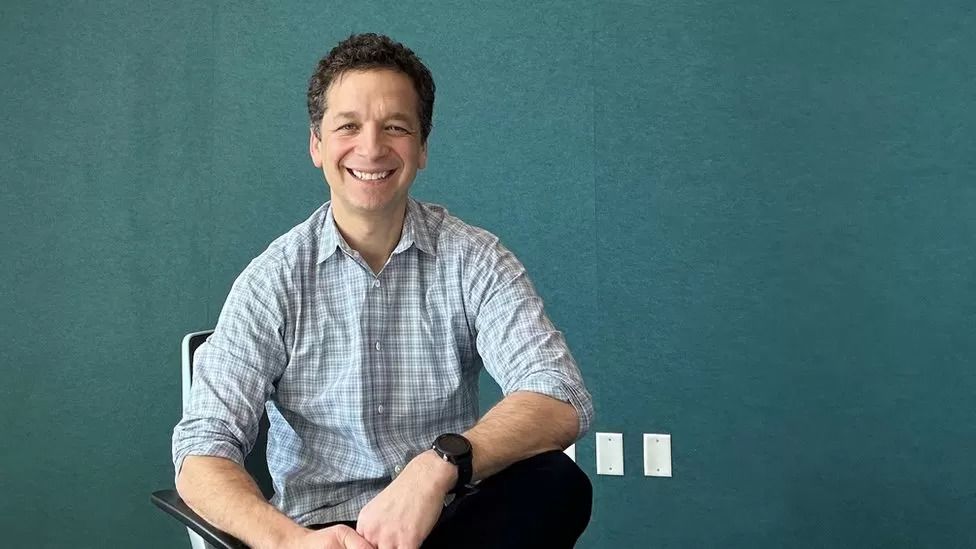 Dan Roth says LinkedIn does not encourage more personal posts
Dan Roth, Editor in Chief at LinkedIn, denies cultivating controversy to pull in readers. "We use algorithms to determine the right content for you but we do not steer people in one direction."
He too credits the pandemic with the shift in attitudes. "People found they got remarkable feedback when they talked about their mental health." He sets great store by LinkedIn users being identifiable in contrast to anonymous contributions on Twitter. Yet despite this public profile many members are unaware of how cringeworthy their stories can be.
Braden Wallake rushed to LinkedIn when he made two staff at his Ohio company redundant in August 2022, boasting of how "vulnerable" he felt when making this decision. He even adorned the post with a tearful selfie.
The first response to his post was a single word. "Muppet."
Furthermore, he was rewarded with the online title, The Crying CEO, and became the poster boy for what behavioural insights expert Helen Jambunathan calls the "LinkedIn cringe".
Ms Jambunathan says LinkedIn's algorithms reward posts that provoke engagement, even if this dilutes its recruitment industry origins. "LinkedIn is becoming more personal and generalised, and less about 'work' as we know it."
This trend comes from the top. Research group Kekst CNC analysed the LinkedIn profiles of chief executives across the UK, US, Germany and Sweden, noting that 77% of them post personal content.
Maybe the "Facebook for suits" is fine with its new knockabout tone. And the louder the criticism, the more people listen.
Back in Manchester Mr Kelsall is relaxed about making the odd enemy. "Sometimes you need detractors as much as you need fans."