Arab Press

بالشعب و للشعب
Wednesday, Dec 24, 2025

How the Lebanese private sector is coping in the eye of a storm

How the Lebanese private sector is coping in the eye of a storm

Businesses extremely pessimistic about future as layoffs continue and wages plummet

Lebanese private sector business conditions marked another deterioration last month, as firms continued layoffs with a sharp decline in wages.

According to the latest purchasing managers’ index (PMI), compiled by IHS Markit, the September reading released Tuesday, was 42.1, up from 40.1 in August, partially driven by a further drop in output at the end of the third quarter.

Although the contraction rate eased from August, it remained among the fastest since data collection began nearly seven-and-a-half years ago. Any reading below 50 represents negative growth.

The fall in activity was blamed on the ongoing disruption associated with the Beirut port explosion on August 4, as well as difficulties in securing US dollars.

New orders received by Lebanese businesses continued to fall during September. Underlying data indicated that both domestic and foreign demand conditions were subdued, with new export orders falling.

Amid a further reduction in new business, private sector firms continued to cut their staff numbers last month, extending the current sequence of workforce contractions that began in September 2019.
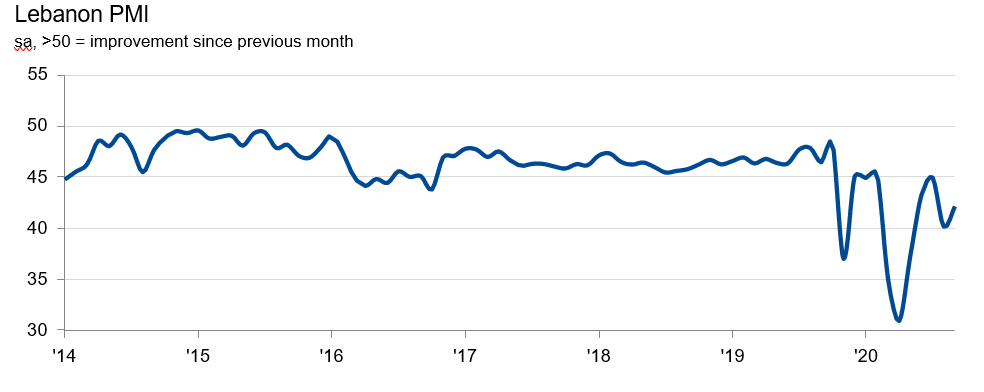


Dr Ali Bolbol, chief economist and head of research at BLOM Bank told Arabian Business: “After the August 4, 2020 blast, the Lebanese economy is trying to stand on its wobbly legs again, albeit with little success. Though the PMI increased to 42.1 in September from 40.1 in August, the business conditions remain markedly bad.”

He added: “Despite the current Covid-19 epidemic, it is quite clear that private sector fortunes will not turn around unless there is a government reform and recovery plan that takes measures to restore confidence in the banking system and the exchange rate regime and to bring good governance to public administrations, aided by sizeable concessional funding from outside. Unfortunately, the urgency of such a plan has yet to dawn on Lebanese politicians.”

In a sign of continued supply-side disruption, input delivery times lengthened further in the latest survey period. In fact, vendor performance deteriorated to the greatest extent for 10 months. Anecdotal evidence suggested that firms struggled to obtain the necessary US dollars to pay their suppliers.


Liquidity crisis


Looking forward, Lebanese businesses remained severely pessimistic towards the one-year business outlook. Negativity was driven by fears that the ongoing liquidity crisis would persist even with the formation of a new government. Sentiment was at the joint-weakest (level with August) since the survey's inception in May 2013.
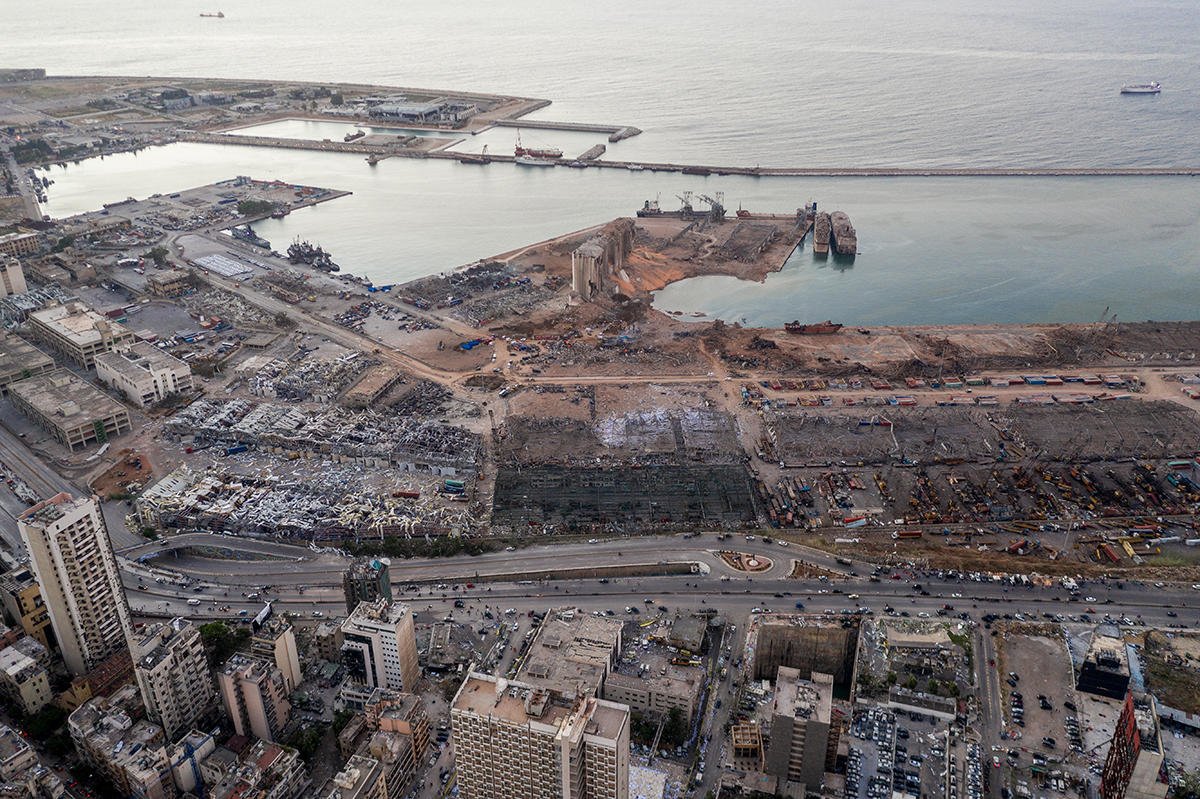


International demand conditions faced by Lebanese businesses also deteriorated in September although the rate of decline eased from the previous survey period. When explaining lower export orders, some panelists cited disruption related to the Beirut port explosion.

Purchase costs faced by private sector firms in Lebanon continued to rise in September, extending the current run of inflation that began in February 2019. The latest increase was faster than in August and solid overall.

Staff costs at Lebanese businesses fell in September as some survey participants commented that wage cuts were required to maintain current staffing levels.

Newsletter

Related Articles

Arab Press
0:00
0:00
Close
Saudi Arabia’s 2025: A Pivotal Year of Global Engagement and Domestic Transformation
Saudi Arabia to Introduce Sugar-Content Based Tax on Sweetened Drinks from January 2026
Saudi Hotels Prepare for New Hospitality Roles as Alcohol Curbs Ease
Global Airports Forum Highlights Saudi Arabia’s Emergence as a Leading Aviation Powerhouse
Saudi Arabia Weighs Strategic Choice on Iran Amid Regional Turbulence
Saudi Arabia Condemns Sydney Bondi Beach Shooting and Expresses Solidarity with Australia
Washington Watches Beijing–Riyadh Rapprochement as Strategic Balance Shifts
Saudi Arabia’s Vision 2030 Drives Measurable Lift in Global Reputation and Influence
Alcohol Policies Vary Widely Across Muslim-Majority Countries, With Many Permitting Consumption Under Specific Rules
Saudi Arabia Clarifies No Formal Ban on Photography at Holy Mosques for Hajj 2026
Libya and Saudi Arabia Sign Strategic MoU to Boost Telecommunications Cooperation
Elon Musk’s xAI Announces Landmark 500-Megawatt AI Data Center in Saudi Arabia
Israel Moves to Safeguard Regional Stability as F-35 Sales Debate Intensifies
Cardi B to Make Historic Saudi Arabia Debut at Soundstorm 2025 Festival
U.S. Democratic Lawmakers Raise National Security and Influence Concerns Over Paramount’s Hostile Bid for Warner Bros. Discovery
Hackers Are Hiding Malware in Open-Source Tools and IDE Extensions
Traveling to USA? Homeland Security moving toward requiring foreign travelers to share social media history
Wall Street Analysts Clash With Riyadh Over Saudi Arabia’s Deficit Outlook
Trump and Saudi Crown Prince Cement $1 Trillion-Plus Deals in High-Profile White House Summit
Saudi Arabia Opens Alcohol Sales to Wealthy Non-Muslim Residents Under New Access Rules
U.S.–Saudi Rethink Deepens — Washington Moves Ahead Without Linking Riyadh to Israel Normalisation
Saudi Arabia and Israel Deprioritise Diplomacy: Normalisation No Longer a Middle-East Priority
As Trump Deepens Ties with Saudi Arabia, Push for Israel Normalization Takes a Back Seat
Thai Food Village Debuts at Saudi Feast Food Festival 2025 Under Thai Commerce Minister Suphajee’s Lead
Saudi Arabia Sharpens Its Strategic Vision as Economic Transformation Enters New Phase
Saudi Arabia Projects $44 Billion Budget Shortfall in 2026 as Economy Rebalances
OPEC+ Unveils New Capacity-Based System to Anchor Future Oil Output Levels
Hong Kong Residents Mourn Victims as 1,500 People Relocated After Devastating Tower Fire
Saudi Arabia’s SAMAI Initiative Surpasses One-Million-Citizen Milestone in National AI Upskilling Drive
Saudi Arabia’s Specialty Coffee Market Set to Surge as Demand Soars and New Exhibition Drops in December
Saudi Arabia Moves to Open Two New Alcohol Stores for Foreigners Under Vision 2030 Reform
Saudi Arabia’s AI Ambitions Gain Momentum — but Water, Talent and Infrastructure Pose Major Hurdles
Tensions Surface in Trump-MBS Talks as Saudi Pushes Back on Israel Normalisation
Saudi Arabia Signals Major Maritime Crack-Down on Houthi Routes in Red Sea
Italy and Saudi Arabia Seal Over 20 Strategic Deals at Business Forum in Riyadh
COP30 Ends Without Fossil Fuel Phase-Out as US, Saudi Arabia and Russia Align in Obstruction Role
Saudi-Portuguese Economic Horizons Expand Through Strategic Business Council
DHL Commits $150 Million for Landmark Logistics Hub in Saudi Arabia
Saudi Aramco Weighs Disposals Amid $10 Billion-Plus Asset Sales Discussion
Trump Hosts Saudi Crown Prince for Major Defence and Investment Agreements
Families Accuse OpenAI of Enabling ‘AI-Driven Delusions’ After Multiple Suicides
Riyadh Metro Records Over One Hundred Million Journeys as Saudi Capital Accelerates Transit Era
Trump’s Grand Saudi Welcome Highlights U.S.–Riyadh Pivot as Israel Watches Warily
U.S. Set to Sell F-35 Jets to Saudi Arabia in Major Strategic Shift
Saudi Arabia Doubles Down on U.S. Partnership in Strategic Move
Saudi Arabia Charts Tech and Nuclear Leap Under Crown Prince’s U.S. Visit
Trump Elevates Saudi Arabia to Major Non-NATO Ally Amid Defense Deal
Trump Elevates Saudi Arabia to Major Non-NATO Ally as MBS Visit Yields Deepened Ties
Iran Appeals to Saudi Arabia to Mediate Restart of U.S. Nuclear Talks
Musk, Barra and Ford Join Trump in Lavish White House Dinner for Saudi Crown Prince
×