

Top Designers Reveal How to Create the Most Serene Home Ever
1. Good Lighting is Everything
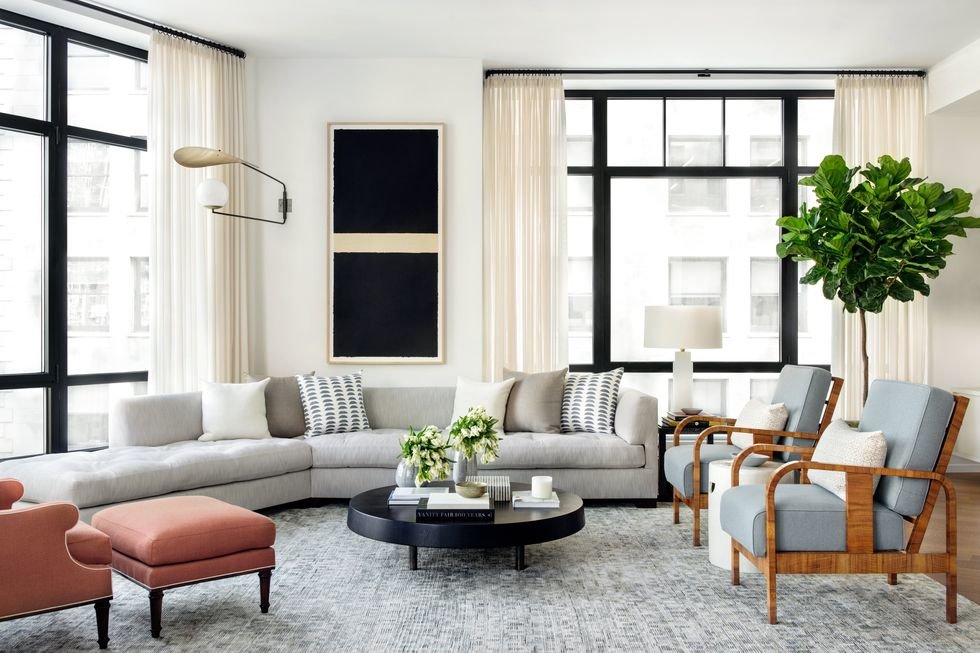
The value of natural light can't be overstated. A quality source of light makes a space glow and lends a sense of serenity difficult to achieve in its absence. David Mann, founder of MR Architecture + Decor, says, "I find that well-modulated, diffused northern light is a great starting point for laying out a relaxing room." In terms of artificial light, dimmers can "provide a soft light in the evening," says Matthew Caughy, a designer based in New York.
2. Put Outdoor Views Front and Center
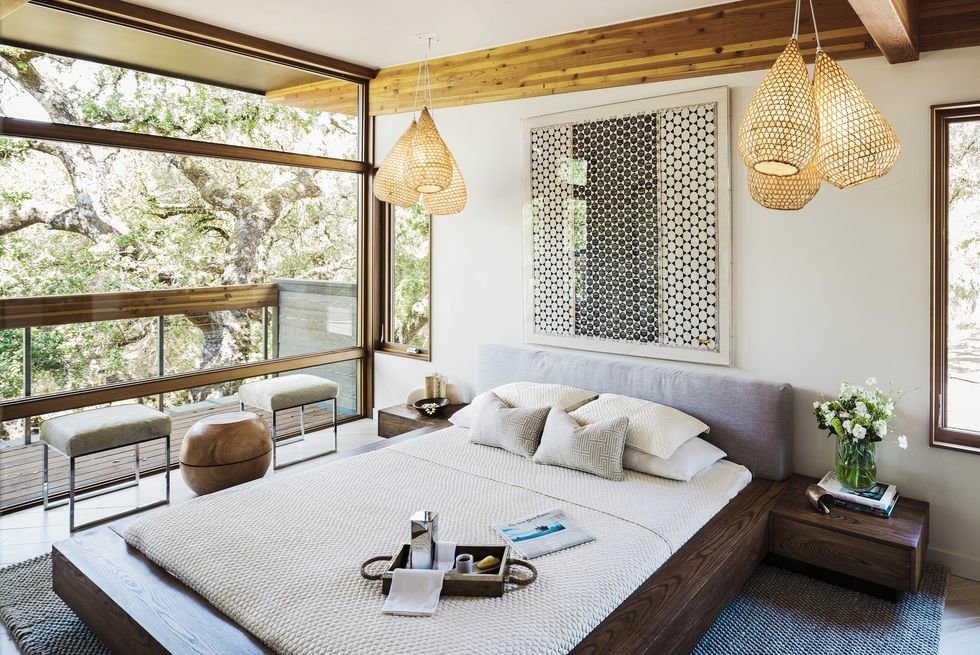
Nature is known to have a calming effect on mood—and although we spend much of our lives indoors, exterior environments still affect our experience of being, and feeling, at home. For the project pictured above, Dawn Carlson of MAS Design found that the design didn't require much to imbue it with a sense of space. Rather, she had to step back, and avoid cluttering the home with unnecessary objects that felt designed, rather than natural to their setting: "we think it was successful because it simply paid homage to the environment surrounding it," Carlson says. "Nothing should compete with one's connection to nature in a home like this."
3. Choose a Calming Color Palette
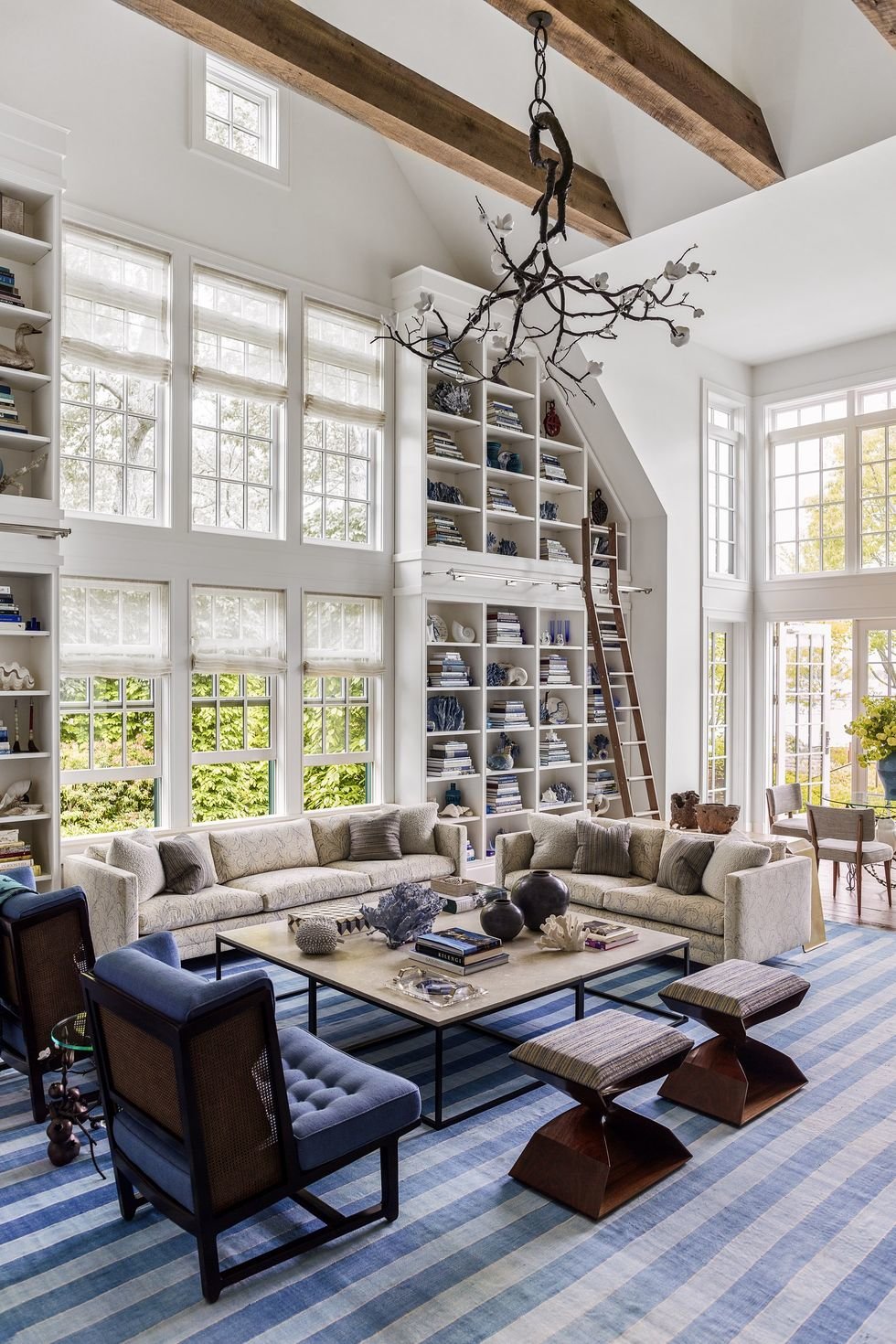
Color helps create a mood that ties together a space. "Color may be one of the easiest tools for manipulating mood within a space," says Mann. He suggests that color can operate on mood in "obvious" ways; bright colors are energizing, while muted colors are calming. "We also use color to denote function, create a narrative, or to connect a space historically," he says. "Manipulating mood is important, but the more layered with meaning a space is, the more interesting it will be."
4. Functional Spaces are Serene Spaces
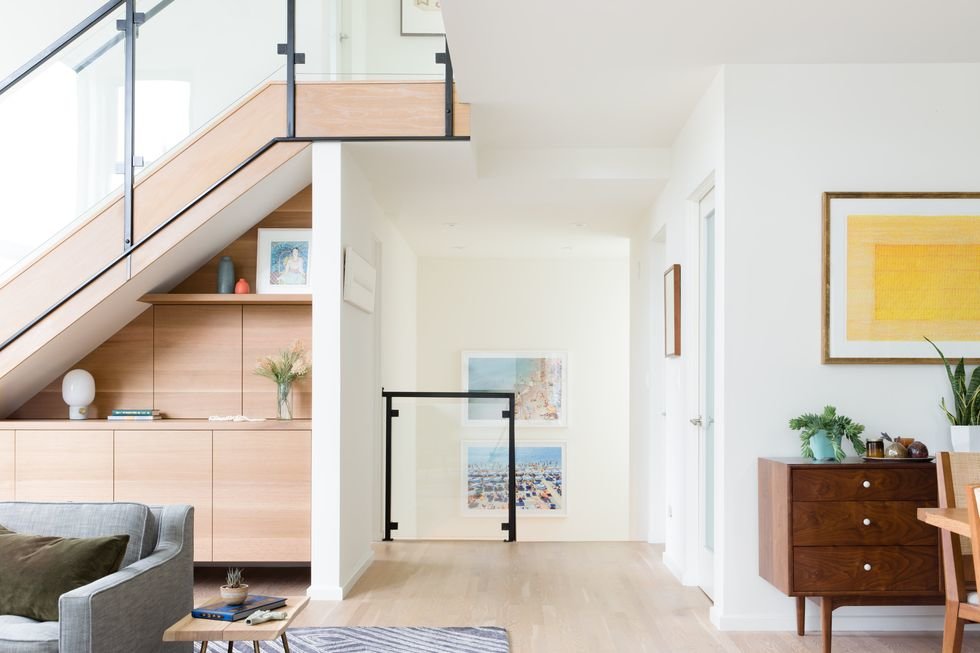
One of the tenets of good design is to create a space that functions well for your client. However, as a functional design increases the ease of everyday living, it also promotes a sense of calm. As designer Regan Baker puts it, "Ideally you want to feel as though your home is working with you and supporting you as you move through life, and not fighting you at every turn." Baker provides an example: "I think we’ve all had that experience of going to grab one pot lid and accidentally setting off a cookware avalanche—if that happens regularly it can start to ebb away at your sense of serenity." She encourages clients to examine how they use space and in particular, what are their "pain points," those preventable, repeated moments in which stress accumulates, leading us to a feeling of fragility. "If something is a part of your life on the daily, making it more functional is going to have a pretty big cumulative impact on your level of calm," she says. For her, that might mean a stroller closet near the entryway or a set of mugs stored above the coffee maker.
5. Organize, Organize, Organize
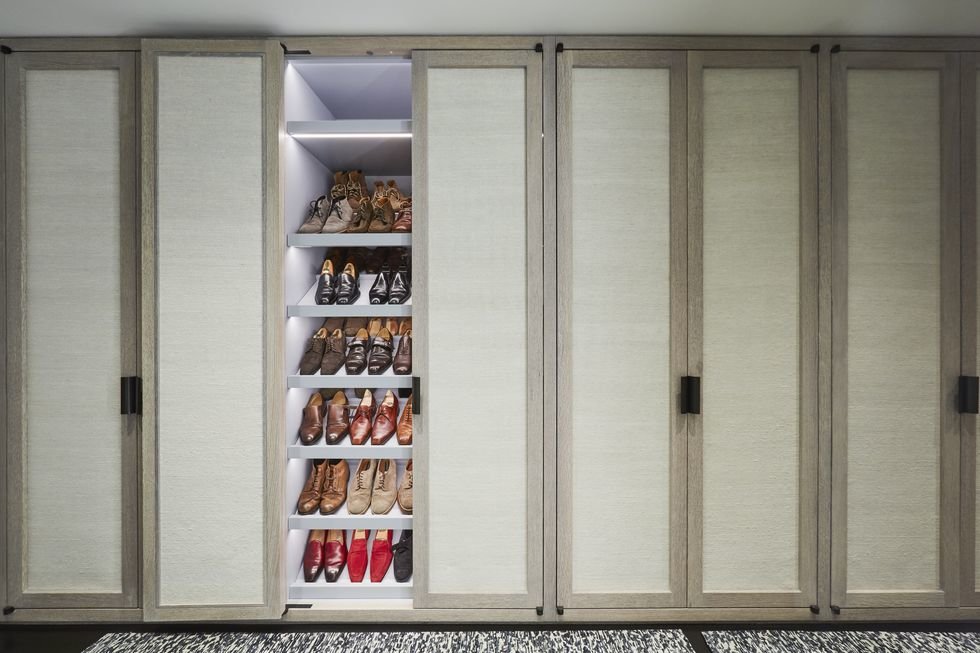
After the clutter has been cleaned out, it's time to organize. When everything has a place, we have fewer things to worry about. "When clutter is tempered, styled, organized, or decorated there becomes a flow," says says Melanie Charlton Fowler, owner of Clos-ette, a professional organizing company, explaining how we can allow our energy to flow naturally in a space. No matter the daily routine of the client, interior designers can devise a plan that makes it easy to stay organized.
6. Engage the Senses
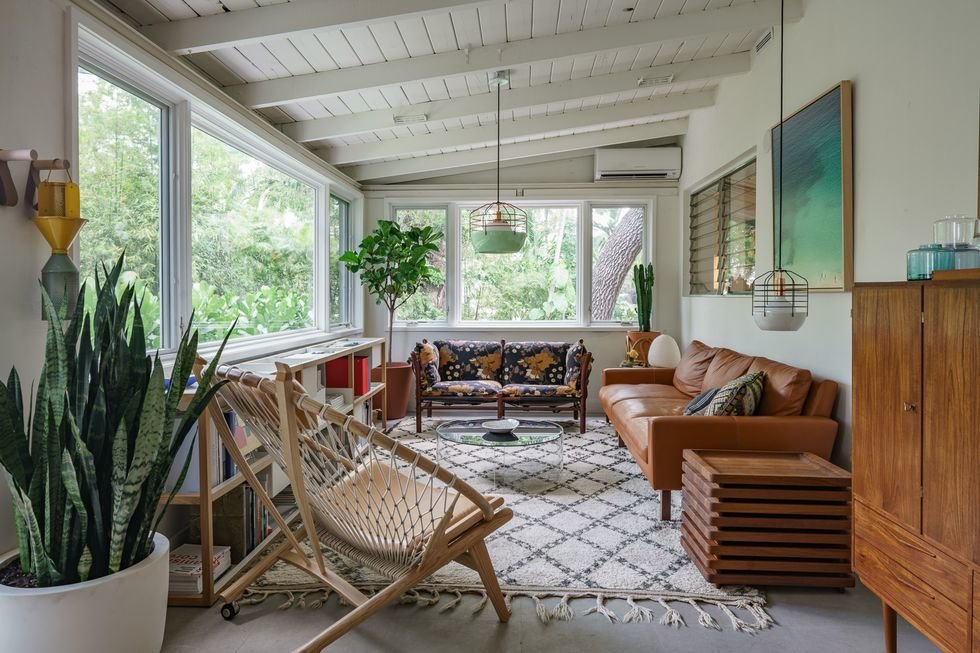
Smell, touch, sound: all of these elements can promote calm, and are just as important as the visual design of a room. "I would argue that texture always helps to create a richer experience of a space–and I think it particularly helps create a relaxing space because it engages our sense of touch and requires our brains to slow down and engage at the scale of the fingertip," says Jennifer Bunsa, founder of Bunsa Studio in Miami. "The more you can engage the senses, the more you will impact mood."
7. Create Unique, Designated Spaces
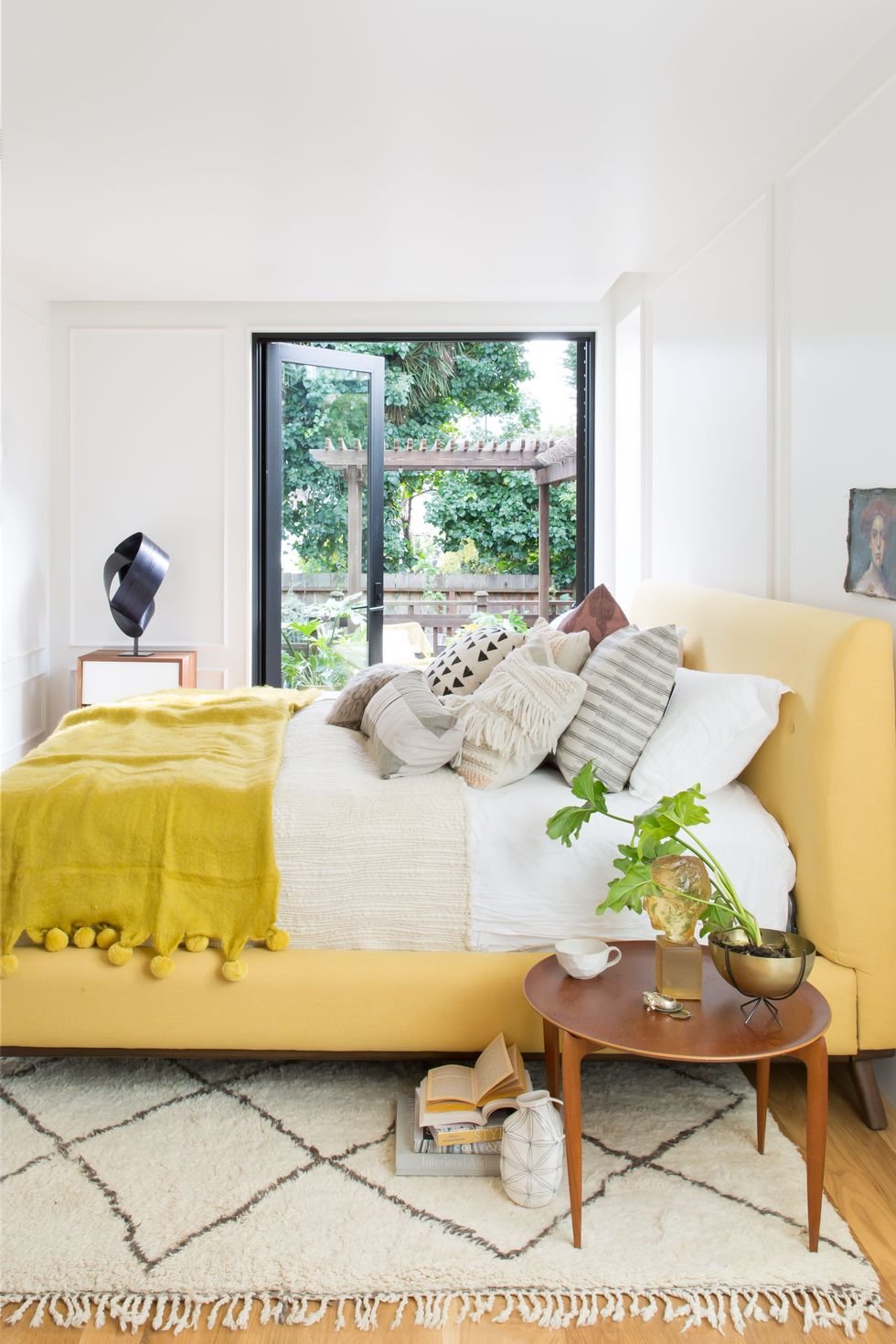
Mixed-use spaces are important, and hard to escape; however, designated spaces also make a design relaxing, whether the client requires a home office, craft space, or meditation zone. "We often talk about a work/life balance in the emotional/mental sense, but that applies to physical spaces as well," says Baker. "It’s much easier to put the stress and commitments of the work day on hold if you can close the door to your home office and join the family in the kitchen."
8. Avoid Seeking Perfection
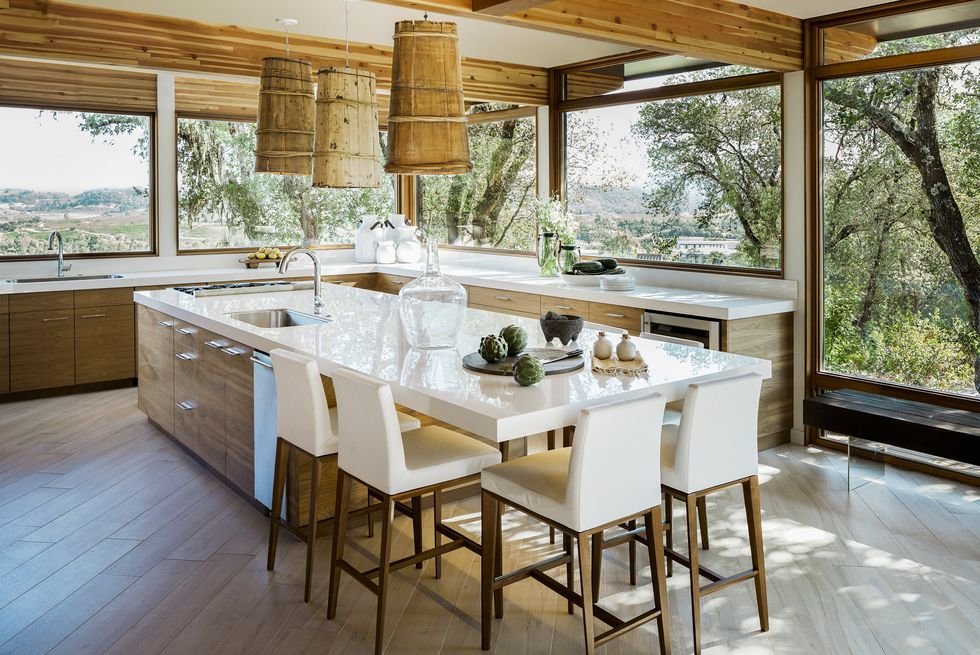
When a space feels too designed, it isn't homey; at the same time, a "homey" space can also signify homely, or not beautiful. To find the balance between overdone and underdone, Carlson subscribes to the Japanese philosophy of wabi-sabi, meaning "perfect imperfection." For the kitchen pictured above, Carlson used Himalayan water backpacks as pendant lights. "The organic, imperfect finish adds a nice history, but also a visual ease that we juxtaposed against a clean white modern countertop," she says. "Opposing strategies are balanced for just the right harmony and depth."
9. Emphasize Spaciousness
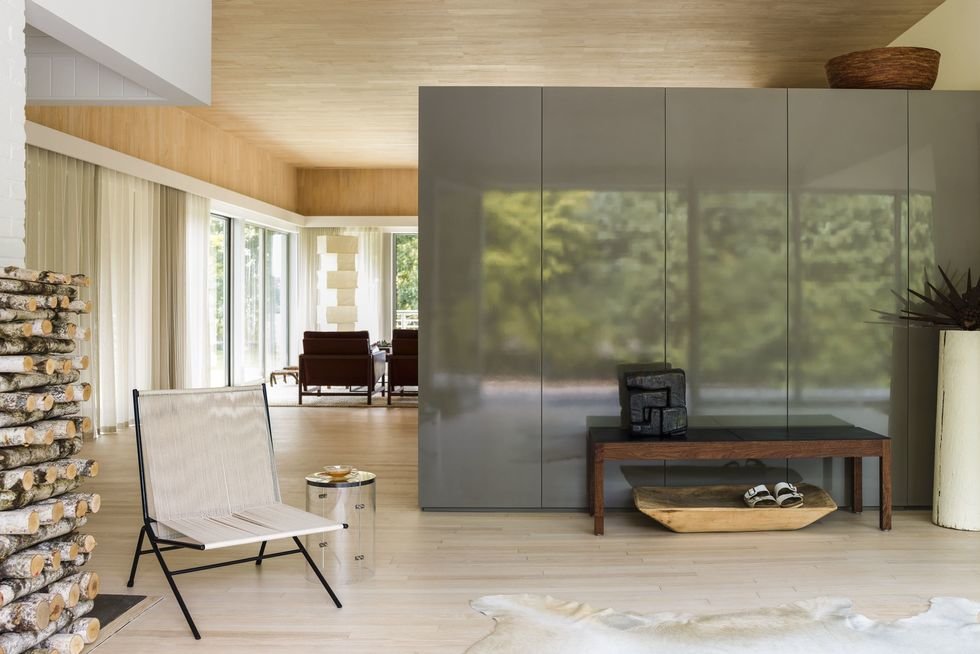
It's hard to read a cramped space as calming. Bounded spaces can create claustrophobia, while wide windows, an open-concept layout, and generous square footage seem to offer possibilities. Mann refers to this feeling of openness as a "sense of spaciousness"—each area flows into the next without inhibitions, and with common elements that tie the various rooms and areas together.
10. Design Like a Film Director
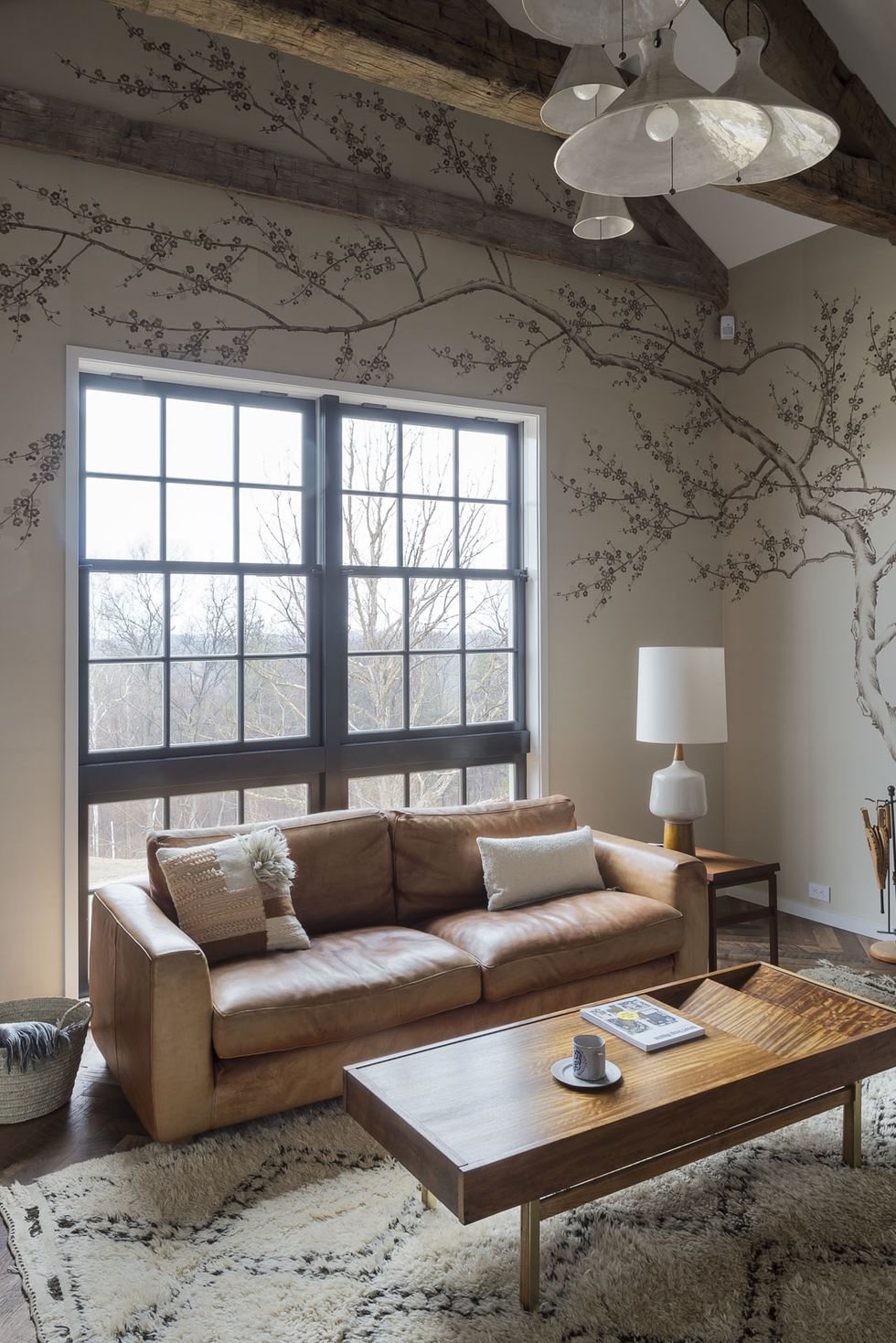
With many designers and design lovers relying on Instagram for inspiration, it's easy to imagine design as a single, framed image, frozen in time and space. However, if we think of design as more of an immersive film rather than a square still life passing through our feed, it's easier to understand how various elements inspire different emotions, like peacefulness. Films are designed to inspire emotion. The color, sound, and frame associated with each image sparks a particular emotion, driving the viewer deeper into the feeling of the story the film is trying to tell.