Arab Press

بالشعب و للشعب
Thursday, Dec 04, 2025

Trump could punish Hong Kong in event of election defeat, expert warns

Trump could punish Hong Kong in event of election defeat, expert warns

Former senior adviser to US treasury department says lame-duck president could lash out with more sanctions if he’s beaten by Joe Biden in November.

Hong Kong financial institutions could face especially aggressive sanctions from the US if President Donald Trump loses the election against Joe Biden in November, an international sanctions expert warned on Thursday.

The Hong Kong Autonomy Act, which took effect in July in response to the national security law Beijing imposed on Hong Kong, allows Washington to sanction individuals and financial institutions it believes helped erode the city’s autonomy.

Elizabeth Rosenberg, director of the energy, economics, and security programme at the Centre for a New American Security, made her comments on Thursday, during a webinar held by the University of Hong Kong’s law school.

US Secretary of State Mike Pompeo has until October 12 to present the list of sanctioned individuals to Congress. Secretary of the Treasury Steve Mnuchin must also submit a list of non-US financial institutions that have knowingly conducted “significant transactions” with the individuals.

“[The treasury list] could come, if Biden is elected, in the lame-duck period for President Trump, who might be feeling particularly annoyed and frustrated and has a bone to pick with China or Hong Kong, and create the opportunity for some awfully aggressive actions as the grenade you throw as you’re walking out the door,” Rosenberg said.

The treasury department has between 30 and 60 days after the state department acts to publish its list, but Trump is not forced to impose sanctions on those listed.

Rosenberg, formerly a senior adviser at the US Treasury Department who helped develop and implement sanctions on countries such as Iran, Libya and Syria, said it was hard to know what the list would look like, given the “awfully unpredictable” nature of the Trump administration.

But she said it could be expanded beyond the 11 Hong Kong and Chinese officials already sanctioned in August under an executive order, including Hong Kong’s leader Carrie Lam Cheng Yuet-ngor, to include people who worked closely with, or were financially connected with them, as well as financial holdings that act on behalf of them.

Lam has said the US sanctions would only be an inconvenience and not intimidate her. She also dismissed the effect of the sanctions, citing her lack of US assets or interest in visiting the country.

Under the executive order, sanctioned individuals or entities would have their US-based assets blocked, and Americans and businesses generally banned from dealing with them.

Benjamin Kostrzewa, a lawyer specialising in international trade law who was also in the webinar, said the real danger came from sanctions on financial institutions unconnected with the US.

“Right now, a lot of banks are considering what that looks like, and the Hong Kong Autonomy Act and the executive order don't define what will be considered a ‘significant transaction’ with those individuals or material support. So everyone needs to assess that,” he said.

Under the US sanctions, as well as heightened US-China tensions, banks and financial institutions in Hong Kong, such as HSBC, are finding it necessary to make the difficult manoeuvre to satisfy both sides.
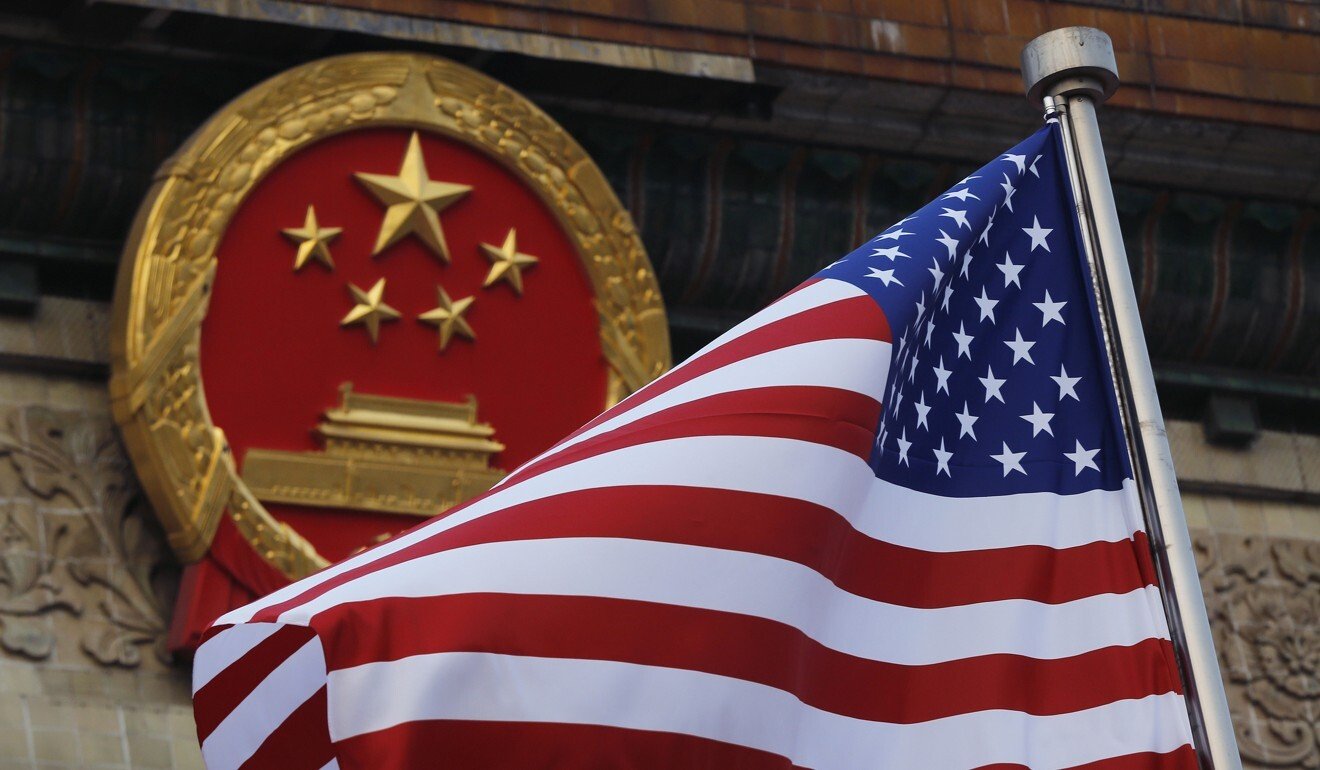

Banks and financial institutions could struggle to satisfy both sides in the US-China trade war.


A ray of hope, Kostrzewa said, would be that the sanctions allowed for flexible interpretation, and regulators are likely to give banks the space to comply with both sets of laws, or have discretionary enforcement.

However, he warned Hong Kong could also adopt the maximalist approach to enforcement, just as the US could.

“If that’s the case, then it will force banks and other institutions to pick between complying with Chinese and Hong Kong laws, or complying with US sanctions enforcement,” he said.

“And it’s going to put compliance departments and major banks in a very awkward position, having to navigate a very tight tightrope.”

Earlier, Hong Kong’s police chief Chris Tang Ping-keung, who was among the 11 officials sanctioned by Washington, was found to have shifted his mortgage from HSBC to Bank of China (Hong Kong) days before the US enacted its policy.

Hong Kong Police Credit Union – whose 45,000 members included current and retired police officers – had also moved its estimated HK$11 billion (US$1.4 billion) in assets from foreign banks to mainland banks in the city since May.

Newsletter

Related Articles

Arab Press
0:00
0:00
Close
As Trump Deepens Ties with Saudi Arabia, Push for Israel Normalization Takes a Back Seat
Thai Food Village Debuts at Saudi Feast Food Festival 2025 Under Thai Commerce Minister Suphajee’s Lead
Saudi Arabia Sharpens Its Strategic Vision as Economic Transformation Enters New Phase
Saudi Arabia Projects $44 Billion Budget Shortfall in 2026 as Economy Rebalances
OPEC+ Unveils New Capacity-Based System to Anchor Future Oil Output Levels
Hong Kong Residents Mourn Victims as 1,500 People Relocated After Devastating Tower Fire
Saudi Arabia’s SAMAI Initiative Surpasses One-Million-Citizen Milestone in National AI Upskilling Drive
Saudi Arabia’s Specialty Coffee Market Set to Surge as Demand Soars and New Exhibition Drops in December
Saudi Arabia Moves to Open Two New Alcohol Stores for Foreigners Under Vision 2030 Reform
Saudi Arabia’s AI Ambitions Gain Momentum — but Water, Talent and Infrastructure Pose Major Hurdles
Tensions Surface in Trump-MBS Talks as Saudi Pushes Back on Israel Normalisation
Saudi Arabia Signals Major Maritime Crack-Down on Houthi Routes in Red Sea
Italy and Saudi Arabia Seal Over 20 Strategic Deals at Business Forum in Riyadh
COP30 Ends Without Fossil Fuel Phase-Out as US, Saudi Arabia and Russia Align in Obstruction Role
Saudi-Portuguese Economic Horizons Expand Through Strategic Business Council
DHL Commits $150 Million for Landmark Logistics Hub in Saudi Arabia
Saudi Aramco Weighs Disposals Amid $10 Billion-Plus Asset Sales Discussion
Trump Hosts Saudi Crown Prince for Major Defence and Investment Agreements
Families Accuse OpenAI of Enabling ‘AI-Driven Delusions’ After Multiple Suicides
Riyadh Metro Records Over One Hundred Million Journeys as Saudi Capital Accelerates Transit Era
Trump’s Grand Saudi Welcome Highlights U.S.–Riyadh Pivot as Israel Watches Warily
U.S. Set to Sell F-35 Jets to Saudi Arabia in Major Strategic Shift
Saudi Arabia Doubles Down on U.S. Partnership in Strategic Move
Saudi Arabia Charts Tech and Nuclear Leap Under Crown Prince’s U.S. Visit
Trump Elevates Saudi Arabia to Major Non-NATO Ally Amid Defense Deal
Trump Elevates Saudi Arabia to Major Non-NATO Ally as MBS Visit Yields Deepened Ties
Iran Appeals to Saudi Arabia to Mediate Restart of U.S. Nuclear Talks
Musk, Barra and Ford Join Trump in Lavish White House Dinner for Saudi Crown Prince
Lawmaker Seeks Declassification of ‘Shocking’ 2019 Call Between Trump and Saudi Crown Prince
US and Saudi Arabia Forge Strategic Defence Pact Featuring F-35 Sale and $1 Trillion Investment Pledge
Saudi Sovereign Wealth Fund Emerges as Key Contender in Warner Bros. Discovery Sale
Trump Secures Sweeping U.S.–Saudi Agreements on Jets, Technology and Massive Investment
Detroit CEOs Join White House Dinner as U.S.–Saudi Auto Deal Accelerates
Netanyahu Secures U.S. Assurance That Israel’s Qualitative Military Edge Will Remain Despite Saudi F-35 Deal
Ronaldo Joins Trump and Saudi Crown Prince’s Gala Amid U.S.–Gulf Tech and Investment Surge
U.S.–Saudi Investment Forum Sees U.S. Corporate Titans and Saudi Royalty Forge Billion-Dollar Ties
Elon Musk’s xAI to Deploy 500-Megawatt Saudi Data Centre with State-backed Partner HUMAIN
U.S. Clears Export of Advanced AI Chips to Saudi Arabia and UAE Amid Strategic Tech Partnership
xAI Selects Saudi Data-Centre as First Customer of Nvidia-Backed Humain Project
President Trump Hosts Saudi Crown Prince Mohammed bin Salman in Washington Amid Strategic Deal Talks
Saudi Crown Prince to Press Trump for Direct U.S. Role in Ending Sudan War
Trump Hosts Saudi Crown Prince: Five Key Takeaways from the White House Meeting
Trump Firmly Defends Saudi Crown Prince Over Khashoggi Murder Amid Washington Visit
Trump Backs Saudi Crown Prince Over Khashoggi Killing Amid White House Visit
Trump Publicly Defends Saudi Crown Prince Over Khashoggi Killing During Washington Visit
President Donald Trump Hosts Saudi Crown Prince Mohammed bin Salman at White House to Seal Major Defence and Investment Deals
Saudi Arabia’s Solar Surge Signals Unlikely Shift in Global Oil Powerhouse
Saudi Crown Prince Receives Letter from Iranian President Ahead of U.S. Visit
Saudi Arabia’s Crown Prince Begins Washington Visit to Cement Long-Term U.S. Alliance
Saudi Crown Prince Meets Trump in Washington to Deepen Defence, AI and Nuclear Ties
×