Saudi Arabia Is Still Refusing to Join the Abraham Accords Because the Gaza War Changed the Political Cost of Recognition
Despite sustained pressure from Donald Trump and successive US administrations, Riyadh continues resisting formal normalization with Israel because Crown Prince Mohammed bin Salman now faces far greater regional, domestic and strategic constraints than existed before the Gaza conflict.
Saudi Arabia’s resistance to joining the Abraham Accords is fundamentally actor-driven because the central issue is Crown Prince Mohammed bin Salman’s calculation that formal recognition of Israel now carries higher political, religious and geopolitical costs than strategic benefits.
The kingdom has not abandoned dialogue with Israel or cooperation with the United States, but it has made clear that normalization cannot proceed under current conditions.
The Gaza war fundamentally altered the political environment surrounding any Saudi-Israeli agreement and forced Riyadh to harden its public position even while maintaining quiet strategic coordination behind the scenes.
What is confirmed is that Saudi Arabia continues insisting that recognition of Israel requires meaningful movement toward Palestinian statehood.
Saudi officials repeatedly stated that normalization would require a credible path toward an independent Palestinian state based on long-standing Arab diplomatic frameworks.
This marks a major shift from the momentum visible before the Hamas attack on Israel in October two thousand twenty-three.
Before the war, Washington, Riyadh and Israeli officials were engaged in serious negotiations aimed at achieving a historic normalization agreement.
The proposed arrangement reportedly included American security guarantees for Saudi Arabia, expanded defense cooperation, access to advanced military technology and support for a civilian Saudi nuclear program.
At the time, many analysts believed Saudi recognition of Israel had become increasingly likely.
The Gaza war changed the equation.
Israel’s military campaign in Gaza, the scale of Palestinian civilian casualties, destruction across the territory and humanitarian crisis transformed normalization into a far more politically dangerous issue for Arab governments.
Saudi Arabia, as the custodian of Islam’s two holiest sites and the most influential Arab power, faced especially intense pressure.
Public opinion across the Arab and Muslim world hardened sharply against Israel during the conflict.
Any Saudi move toward normalization while Gaza remained under bombardment risked triggering severe backlash regionally and domestically.
For Mohammed bin Salman, the issue is no longer only diplomatic.
It is tied directly to legitimacy.
The crown prince spent years consolidating power, reshaping Saudi society and modernizing the economy through the Vision twenty thirty program.
He cultivated an image as a transformative nationalist leader focused on economic diversification, technological development and regional influence.
But Saudi legitimacy still depends partly on religious authority and leadership inside the broader Islamic world.
Normalizing relations with Israel without meaningful concessions for Palestinians could damage Riyadh’s standing among Arab and Muslim populations and create vulnerabilities for a leadership already criticized by conservative factions.
The kingdom therefore adopted a dual-track strategy.
Privately, Saudi Arabia still shares strategic interests with Israel in several areas including containing Iranian regional influence, missile defense coordination, Red Sea security and technological cooperation.
Publicly, however, Riyadh increasingly emphasizes Palestinian statehood and humanitarian concerns.
This balancing act reflects the kingdom’s broader geopolitical position.
Saudi Arabia is attempting simultaneously to preserve its alliance with the United States, avoid direct confrontation with Iran, maintain influence in the Arab world and protect long-term regional stability.
The Abraham Accords themselves were originally built around a different regional environment.
When the United Arab Emirates, Bahrain, Morocco and Sudan normalized relations with Israel during Donald Trump’s first administration, the agreements were driven heavily by shared concern over Iran, expanding economic ties and closer security alignment with Washington.
The Palestinian issue was effectively deprioritized.
Saudi Arabia was always the critical missing piece.
Unlike smaller Gulf states, the kingdom carries unique religious and political weight.
Recognition by Riyadh would effectively transform Israel’s position across much of the Islamic world and represent the most significant diplomatic breakthrough in the Middle East since Egypt’s peace treaty with Israel.
That is why successive American administrations pursued the agreement so aggressively.
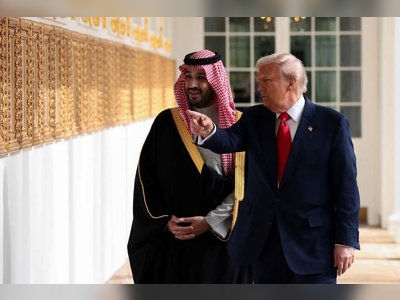
Donald Trump continues portraying Saudi normalization as a major strategic objective because it fits his broader regional vision of strengthening anti-Iran alignment, expanding Arab-Israeli integration and reinforcing American influence through transactional diplomacy.
The Biden administration also pursued normalization efforts despite major differences with Trump on other foreign policy issues.
For Washington, a Saudi-Israeli agreement would help stabilize American partnerships in the Middle East at a time when China and Russia are expanding influence across the region.
China’s growing role matters significantly.
Beijing brokered the Saudi-Iran rapprochement in two thousand twenty-three and continues expanding economic ties across the Gulf.
Riyadh increasingly pursues a more independent foreign policy that balances relations among the United States, China and other global powers.
That strategic flexibility reduces pressure to accept an American-backed normalization deal on unfavorable terms.
Saudi Arabia also understands that Israel’s internal politics complicate negotiations.
Prime Minister Benjamin Netanyahu’s governing coalition includes hardline nationalist and religious factions strongly opposed to Palestinian statehood.
That makes it politically difficult for Israel to offer the kind of concessions Riyadh publicly demands.
The result is a diplomatic deadlock.
Saudi Arabia cannot normalize relations without some credible Palestinian framework.
Israel’s current political structure makes such a framework extremely difficult to deliver.
At the same time, the underlying strategic logic behind normalization did not disappear.
Saudi Arabia still seeks advanced American military support, technological partnerships and protection against regional instability.
Israel still wants deeper integration with the Arab world.
The United States still sees regional normalization as central to its Middle East strategy.
But the timeline changed dramatically.
The Gaza war pushed the Palestinian issue back to the center of Arab diplomacy after years in which several governments appeared increasingly willing to sideline it.
That shift altered the political cost-benefit calculation for Riyadh.
The kingdom is now prioritizing regional credibility, domestic stability and leadership of the Islamic world over the immediate strategic advantages of formal normalization.
This does not mean Saudi-Israeli relations will remain permanently frozen.
Quiet intelligence contacts, security coordination and indirect cooperation are widely believed to continue.
Economic interaction may also expand gradually through unofficial channels.
But a formal Abraham Accords-style breakthrough now depends heavily on whether the regional environment changes enough for Saudi leaders to argue that Palestinian interests were meaningfully addressed.
The broader implication is that the Gaza war fundamentally reshaped Middle Eastern diplomacy.
Before October two thousand twenty-three, normalization appeared increasingly inevitable.
After Gaza, Arab governments became far more cautious about openly aligning with Israel without a political framework capable of addressing Palestinian national aspirations.
Saudi Arabia’s current position shows that even the region’s most powerful states still view the Palestinian issue not only as a humanitarian matter, but as a central factor in political legitimacy, regional influence and long-term strategic stability.
The kingdom has not abandoned dialogue with Israel or cooperation with the United States, but it has made clear that normalization cannot proceed under current conditions.
The Gaza war fundamentally altered the political environment surrounding any Saudi-Israeli agreement and forced Riyadh to harden its public position even while maintaining quiet strategic coordination behind the scenes.
What is confirmed is that Saudi Arabia continues insisting that recognition of Israel requires meaningful movement toward Palestinian statehood.
Saudi officials repeatedly stated that normalization would require a credible path toward an independent Palestinian state based on long-standing Arab diplomatic frameworks.
This marks a major shift from the momentum visible before the Hamas attack on Israel in October two thousand twenty-three.
Before the war, Washington, Riyadh and Israeli officials were engaged in serious negotiations aimed at achieving a historic normalization agreement.
The proposed arrangement reportedly included American security guarantees for Saudi Arabia, expanded defense cooperation, access to advanced military technology and support for a civilian Saudi nuclear program.
At the time, many analysts believed Saudi recognition of Israel had become increasingly likely.
The Gaza war changed the equation.
Israel’s military campaign in Gaza, the scale of Palestinian civilian casualties, destruction across the territory and humanitarian crisis transformed normalization into a far more politically dangerous issue for Arab governments.
Saudi Arabia, as the custodian of Islam’s two holiest sites and the most influential Arab power, faced especially intense pressure.
Public opinion across the Arab and Muslim world hardened sharply against Israel during the conflict.
Any Saudi move toward normalization while Gaza remained under bombardment risked triggering severe backlash regionally and domestically.
For Mohammed bin Salman, the issue is no longer only diplomatic.
It is tied directly to legitimacy.
The crown prince spent years consolidating power, reshaping Saudi society and modernizing the economy through the Vision twenty thirty program.
He cultivated an image as a transformative nationalist leader focused on economic diversification, technological development and regional influence.
But Saudi legitimacy still depends partly on religious authority and leadership inside the broader Islamic world.
Normalizing relations with Israel without meaningful concessions for Palestinians could damage Riyadh’s standing among Arab and Muslim populations and create vulnerabilities for a leadership already criticized by conservative factions.
The kingdom therefore adopted a dual-track strategy.
Privately, Saudi Arabia still shares strategic interests with Israel in several areas including containing Iranian regional influence, missile defense coordination, Red Sea security and technological cooperation.
Publicly, however, Riyadh increasingly emphasizes Palestinian statehood and humanitarian concerns.
This balancing act reflects the kingdom’s broader geopolitical position.
Saudi Arabia is attempting simultaneously to preserve its alliance with the United States, avoid direct confrontation with Iran, maintain influence in the Arab world and protect long-term regional stability.
The Abraham Accords themselves were originally built around a different regional environment.
When the United Arab Emirates, Bahrain, Morocco and Sudan normalized relations with Israel during Donald Trump’s first administration, the agreements were driven heavily by shared concern over Iran, expanding economic ties and closer security alignment with Washington.
The Palestinian issue was effectively deprioritized.
Saudi Arabia was always the critical missing piece.
Unlike smaller Gulf states, the kingdom carries unique religious and political weight.
Recognition by Riyadh would effectively transform Israel’s position across much of the Islamic world and represent the most significant diplomatic breakthrough in the Middle East since Egypt’s peace treaty with Israel.
That is why successive American administrations pursued the agreement so aggressively.
Donald Trump continues portraying Saudi normalization as a major strategic objective because it fits his broader regional vision of strengthening anti-Iran alignment, expanding Arab-Israeli integration and reinforcing American influence through transactional diplomacy.
The Biden administration also pursued normalization efforts despite major differences with Trump on other foreign policy issues.
For Washington, a Saudi-Israeli agreement would help stabilize American partnerships in the Middle East at a time when China and Russia are expanding influence across the region.
China’s growing role matters significantly.
Beijing brokered the Saudi-Iran rapprochement in two thousand twenty-three and continues expanding economic ties across the Gulf.
Riyadh increasingly pursues a more independent foreign policy that balances relations among the United States, China and other global powers.
That strategic flexibility reduces pressure to accept an American-backed normalization deal on unfavorable terms.
Saudi Arabia also understands that Israel’s internal politics complicate negotiations.
Prime Minister Benjamin Netanyahu’s governing coalition includes hardline nationalist and religious factions strongly opposed to Palestinian statehood.
That makes it politically difficult for Israel to offer the kind of concessions Riyadh publicly demands.
The result is a diplomatic deadlock.
Saudi Arabia cannot normalize relations without some credible Palestinian framework.
Israel’s current political structure makes such a framework extremely difficult to deliver.
At the same time, the underlying strategic logic behind normalization did not disappear.
Saudi Arabia still seeks advanced American military support, technological partnerships and protection against regional instability.
Israel still wants deeper integration with the Arab world.
The United States still sees regional normalization as central to its Middle East strategy.
But the timeline changed dramatically.
The Gaza war pushed the Palestinian issue back to the center of Arab diplomacy after years in which several governments appeared increasingly willing to sideline it.
That shift altered the political cost-benefit calculation for Riyadh.
The kingdom is now prioritizing regional credibility, domestic stability and leadership of the Islamic world over the immediate strategic advantages of formal normalization.
This does not mean Saudi-Israeli relations will remain permanently frozen.
Quiet intelligence contacts, security coordination and indirect cooperation are widely believed to continue.
Economic interaction may also expand gradually through unofficial channels.
But a formal Abraham Accords-style breakthrough now depends heavily on whether the regional environment changes enough for Saudi leaders to argue that Palestinian interests were meaningfully addressed.
The broader implication is that the Gaza war fundamentally reshaped Middle Eastern diplomacy.
Before October two thousand twenty-three, normalization appeared increasingly inevitable.
After Gaza, Arab governments became far more cautious about openly aligning with Israel without a political framework capable of addressing Palestinian national aspirations.
Saudi Arabia’s current position shows that even the region’s most powerful states still view the Palestinian issue not only as a humanitarian matter, but as a central factor in political legitimacy, regional influence and long-term strategic stability.