Saudi Arabia Raises Oil Exports and Production as Riyadh Reasserts Control Over the Global Crude Market
New Joint Organizations Data Initiative figures show Saudi crude exports climbed in January while production reached its highest level since 2023, signaling a strategic recalibration inside OPEC Plus as the kingdom balances prices, market share and geopolitical pressure.
Saudi Arabia’s increase in crude exports and oil production is fundamentally actor-driven because the shift reflects a deliberate strategic decision by the Saudi government and its state energy apparatus to recalibrate market management after prolonged production restraint.
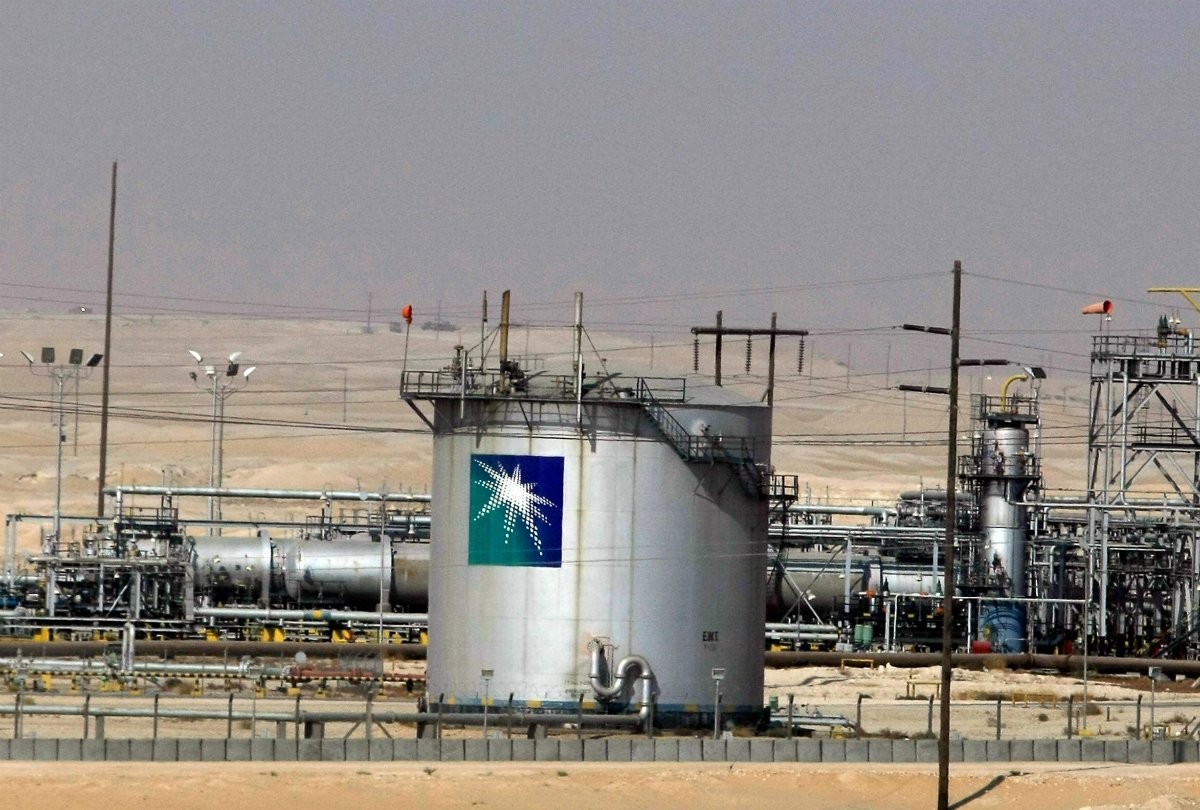
New figures reported through the Joint Organizations Data Initiative, known as JODI, showed Saudi Arabia’s crude oil exports rose in January while overall production reached its highest level since 2023. The increase came after months in which Riyadh led aggressive supply cuts designed to stabilize global oil prices amid weakening demand concerns and slowing economic activity in major economies.
What is confirmed is that Saudi crude exports climbed above previous monthly levels while production rose to roughly nine million barrels per day, marking the strongest output level since the kingdom intensified voluntary cuts in support of OPEC Plus market strategy.
The move matters because Saudi Arabia remains the single most influential oil producer inside OPEC Plus, the alliance linking the Organization of the Petroleum Exporting Countries with Russia and other major exporters.
The kingdom effectively functions as the group’s central balancing power.
When Saudi Arabia cuts output aggressively, global prices tend to stabilize or rise.
When Riyadh restores supply, it signals confidence that markets can absorb additional crude without immediate collapse in pricing.
The January increase reflects a broader strategic adjustment underway across the oil market.
For much of the past two years, Saudi Arabia voluntarily reduced production beyond formal OPEC Plus quotas in an attempt to prevent prices from falling sharply during a period of uncertain global demand.
The cuts were driven by several overlapping concerns.
China’s economic slowdown weakened industrial consumption expectations.
Europe experienced sluggish growth.
High interest rates in the United States and other advanced economies reduced concerns about overheating demand.
At the same time, non-OPEC supply continued expanding.
American shale producers maintained resilient production levels despite financial pressure and higher borrowing costs.
Output from countries including Brazil, Guyana and Canada also increased.
This created a difficult environment for OPEC Plus.
If Saudi Arabia and its allies maintained high production, prices risked falling substantially because of oversupply.
But if the kingdom cut too deeply for too long, rival producers could capture additional market share.
That tension increasingly defines Saudi energy strategy.
Riyadh wants oil prices high enough to support government spending, economic diversification and Vision 2030 megaprojects.
The Saudi budget remains heavily dependent on hydrocarbon revenue despite years of diversification efforts.
At the same time, Saudi Arabia does not want to permanently surrender market share to competitors.
The kingdom therefore appears to be moving toward a more flexible production posture.
The January figures suggest Riyadh believes global demand conditions improved enough to justify modestly higher exports while maintaining broader market discipline.
Seasonal factors also contributed.
Asian crude demand remained relatively resilient, especially from China and India, which continue serving as the primary growth engines for global oil consumption.
China’s imports remain particularly important.
Even with slowing economic growth, China is still the world’s largest crude importer and a critical customer for Saudi exports.
Saudi Aramco continues competing aggressively with Russian crude supplies inside Asian markets.
Russia’s role complicates the picture.
Since Western sanctions and price caps targeted Russian oil after the invasion of Ukraine, Moscow redirected large volumes of discounted crude toward Asia.
That intensified competition for market share among major exporters.
Saudi Arabia and Russia remain strategic partners inside OPEC Plus, but they also compete directly for buyers.
This creates a delicate balancing act.
Both countries want stable prices, yet each also wants to protect long-term customer relationships in Asia.
The increase in Saudi exports therefore carries geopolitical significance beyond ordinary market mechanics.
The kingdom appears determined to maintain influence over pricing while demonstrating that it retains substantial spare production capacity capable of responding rapidly to changing market conditions.
Spare capacity remains one of Saudi Arabia’s most important strategic advantages.
Few countries possess the ability to increase or reduce output at large scale within relatively short periods.
This gives Riyadh outsized influence over energy markets and strengthens its political leverage globally.
Energy markets are closely watching how OPEC Plus responds next.
Several members continue struggling with budgetary pressure caused by production restrictions.
Others lack the technical ability to meet quotas consistently.
Saudi Arabia’s willingness to adjust production often determines the alliance’s overall effectiveness.
The broader geopolitical environment also shapes Saudi calculations.
Conflict risks across the Middle East, including tensions involving Iran, Red Sea shipping disruptions and instability surrounding Gaza, continue creating underlying support for oil prices because traders remain concerned about potential supply shocks.
At the same time, slowing global manufacturing activity and weak industrial demand in parts of Europe and China continue limiting the upside for prices.
This means Riyadh faces two opposing pressures simultaneously.
It must prevent oversupply while also avoiding price spikes severe enough to damage global demand or accelerate energy-transition policies in consuming nations.
The United States remains central to this equation.
Washington prefers moderate energy prices that limit inflation pressure on consumers while avoiding severe market instability.
Saudi-American relations improved compared with the tensions visible after earlier OPEC Plus cuts, but oil policy still remains a sensitive issue between the two governments.
Saudi Arabia increasingly pursues a more autonomous energy strategy aligned primarily with its own fiscal and geopolitical interests rather than automatic coordination with Washington.
The kingdom’s long-term strategy also reflects awareness of the global energy transition.
Saudi leaders understand that oil demand growth will eventually slow as electric vehicles, renewable energy and decarbonization policies expand globally.
That creates pressure to maximize current hydrocarbon revenue while investing heavily in diversification projects designed to prepare the economy for a less oil-dependent future.
Vision 2030 requires enormous funding.
Projects involving tourism, infrastructure, technology, manufacturing and new urban developments depend heavily on sustained oil income.
Stable but relatively elevated crude prices remain critical to financing those ambitions.
The January export increase therefore signals more than a temporary production adjustment.
It reflects Saudi Arabia’s attempt to navigate an increasingly fragmented global oil market where demand uncertainty, geopolitical instability, sanctions, energy transition pressure and competition from non-OPEC producers are all reshaping the traditional balance of energy power.
The practical consequence is that Saudi Arabia is moving from emergency supply restraint toward more active market management while still preserving enough spare capacity and pricing influence to remain the dominant strategic force inside the global crude system.
New figures reported through the Joint Organizations Data Initiative, known as JODI, showed Saudi Arabia’s crude oil exports rose in January while overall production reached its highest level since 2023. The increase came after months in which Riyadh led aggressive supply cuts designed to stabilize global oil prices amid weakening demand concerns and slowing economic activity in major economies.
What is confirmed is that Saudi crude exports climbed above previous monthly levels while production rose to roughly nine million barrels per day, marking the strongest output level since the kingdom intensified voluntary cuts in support of OPEC Plus market strategy.
The move matters because Saudi Arabia remains the single most influential oil producer inside OPEC Plus, the alliance linking the Organization of the Petroleum Exporting Countries with Russia and other major exporters.
The kingdom effectively functions as the group’s central balancing power.
When Saudi Arabia cuts output aggressively, global prices tend to stabilize or rise.
When Riyadh restores supply, it signals confidence that markets can absorb additional crude without immediate collapse in pricing.
The January increase reflects a broader strategic adjustment underway across the oil market.
For much of the past two years, Saudi Arabia voluntarily reduced production beyond formal OPEC Plus quotas in an attempt to prevent prices from falling sharply during a period of uncertain global demand.
The cuts were driven by several overlapping concerns.
China’s economic slowdown weakened industrial consumption expectations.
Europe experienced sluggish growth.
High interest rates in the United States and other advanced economies reduced concerns about overheating demand.
At the same time, non-OPEC supply continued expanding.
American shale producers maintained resilient production levels despite financial pressure and higher borrowing costs.
Output from countries including Brazil, Guyana and Canada also increased.
This created a difficult environment for OPEC Plus.
If Saudi Arabia and its allies maintained high production, prices risked falling substantially because of oversupply.
But if the kingdom cut too deeply for too long, rival producers could capture additional market share.
That tension increasingly defines Saudi energy strategy.
Riyadh wants oil prices high enough to support government spending, economic diversification and Vision 2030 megaprojects.
The Saudi budget remains heavily dependent on hydrocarbon revenue despite years of diversification efforts.
At the same time, Saudi Arabia does not want to permanently surrender market share to competitors.
The kingdom therefore appears to be moving toward a more flexible production posture.
The January figures suggest Riyadh believes global demand conditions improved enough to justify modestly higher exports while maintaining broader market discipline.
Seasonal factors also contributed.
Asian crude demand remained relatively resilient, especially from China and India, which continue serving as the primary growth engines for global oil consumption.
China’s imports remain particularly important.
Even with slowing economic growth, China is still the world’s largest crude importer and a critical customer for Saudi exports.
Saudi Aramco continues competing aggressively with Russian crude supplies inside Asian markets.
Russia’s role complicates the picture.
Since Western sanctions and price caps targeted Russian oil after the invasion of Ukraine, Moscow redirected large volumes of discounted crude toward Asia.
That intensified competition for market share among major exporters.
Saudi Arabia and Russia remain strategic partners inside OPEC Plus, but they also compete directly for buyers.
This creates a delicate balancing act.
Both countries want stable prices, yet each also wants to protect long-term customer relationships in Asia.
The increase in Saudi exports therefore carries geopolitical significance beyond ordinary market mechanics.
The kingdom appears determined to maintain influence over pricing while demonstrating that it retains substantial spare production capacity capable of responding rapidly to changing market conditions.
Spare capacity remains one of Saudi Arabia’s most important strategic advantages.
Few countries possess the ability to increase or reduce output at large scale within relatively short periods.
This gives Riyadh outsized influence over energy markets and strengthens its political leverage globally.
Energy markets are closely watching how OPEC Plus responds next.
Several members continue struggling with budgetary pressure caused by production restrictions.
Others lack the technical ability to meet quotas consistently.
Saudi Arabia’s willingness to adjust production often determines the alliance’s overall effectiveness.
The broader geopolitical environment also shapes Saudi calculations.
Conflict risks across the Middle East, including tensions involving Iran, Red Sea shipping disruptions and instability surrounding Gaza, continue creating underlying support for oil prices because traders remain concerned about potential supply shocks.
At the same time, slowing global manufacturing activity and weak industrial demand in parts of Europe and China continue limiting the upside for prices.
This means Riyadh faces two opposing pressures simultaneously.
It must prevent oversupply while also avoiding price spikes severe enough to damage global demand or accelerate energy-transition policies in consuming nations.
The United States remains central to this equation.
Washington prefers moderate energy prices that limit inflation pressure on consumers while avoiding severe market instability.
Saudi-American relations improved compared with the tensions visible after earlier OPEC Plus cuts, but oil policy still remains a sensitive issue between the two governments.
Saudi Arabia increasingly pursues a more autonomous energy strategy aligned primarily with its own fiscal and geopolitical interests rather than automatic coordination with Washington.
The kingdom’s long-term strategy also reflects awareness of the global energy transition.
Saudi leaders understand that oil demand growth will eventually slow as electric vehicles, renewable energy and decarbonization policies expand globally.
That creates pressure to maximize current hydrocarbon revenue while investing heavily in diversification projects designed to prepare the economy for a less oil-dependent future.
Vision 2030 requires enormous funding.
Projects involving tourism, infrastructure, technology, manufacturing and new urban developments depend heavily on sustained oil income.
Stable but relatively elevated crude prices remain critical to financing those ambitions.
The January export increase therefore signals more than a temporary production adjustment.
It reflects Saudi Arabia’s attempt to navigate an increasingly fragmented global oil market where demand uncertainty, geopolitical instability, sanctions, energy transition pressure and competition from non-OPEC producers are all reshaping the traditional balance of energy power.
The practical consequence is that Saudi Arabia is moving from emergency supply restraint toward more active market management while still preserving enough spare capacity and pricing influence to remain the dominant strategic force inside the global crude system.